

Keeping your body flexible and strong makes later years more enjoyable. This short guide shows simple, practical steps to reduce stiffness and keep movement smooth.
Small changes in routine can protect your musculoskeletal system and help you stay active. The focus here is on easy, steady actions you can use every day.
The tips ahead support overall health and aim to preserve independence. You will find clear, doable strategies to make smarter daily choices and avoid unnecessary wear.
Use this introduction as a starting point. Applying these ideas can lead to better mobility, less stiffness, and more confidence in daily life.
Understanding Joint Changes After Fifty
Midlife brings clear shifts in how our bodies move and respond to strain. These shifts reflect natural repair and wear processes that affect mobility and comfort. Knowing what changes to expect helps you plan smarter daily choices.
The science of aging shows that loss of muscle mass and reduced bone density are common. Dr. Deborah Kwolek notes that our 50s are a key moment for setting long-term goals. Research finds nearly 95% of adults 55+ have at least one chronic condition, so vigilance matters.
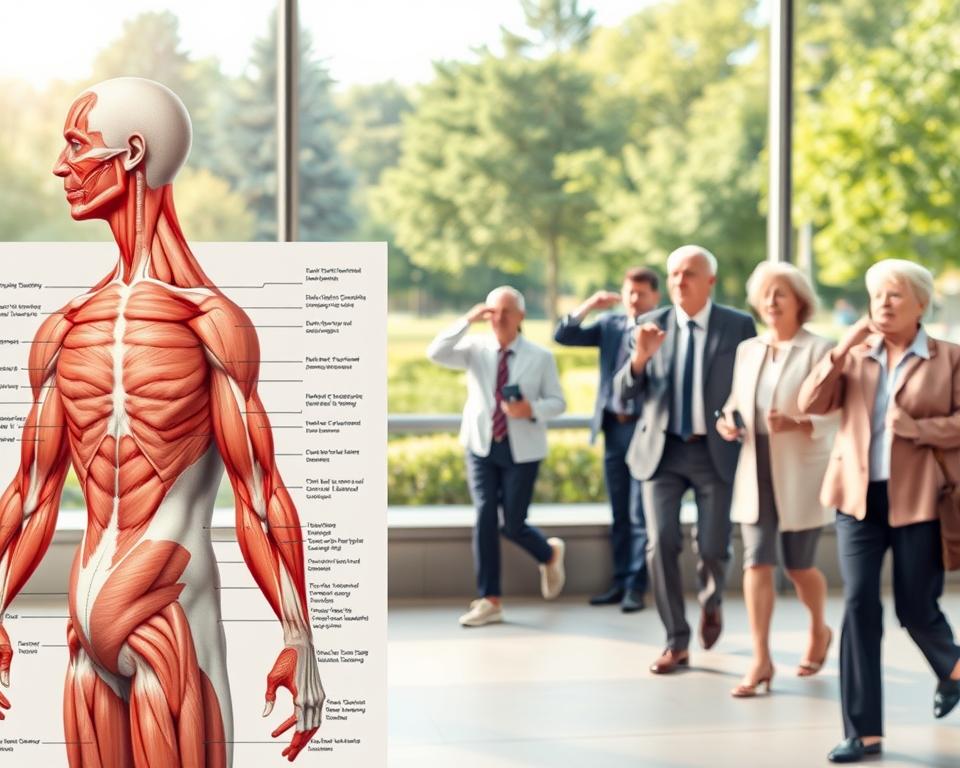
“Aging increases the risk of osteoarthritis and osteoporosis without preventive steps.”
Common musculoskeletal shifts include weaker bones, lower muscle mass, and hormonal changes that raise cardiovascular and bone concerns in women. These changes increase the risk of fractures and chronic disease.
- Takeaway: recognize declines early and build targeted exercise and nutrient plans.
- Use a balanced anti-inflammatory approach; for a simple plan, see simple diet plan for inflammation.
Essential Joint Health Habits After 50
Regular, controlled activity is the cornerstone of lasting mobility and fewer setbacks. Keep motions slow and steady to protect range and ease daily tasks.
“Staying active is the most crucial habit for preventing age-related decline.”

Daily movement helps lubricate tissues and cuts the stiffness common with aging. Small sessions of walking, gentle stretches, or pool exercises add up quickly.
Focus on controlled balance work to lower the risk of falls and preserve long-term health. Consistent, joint-friendly activity supports independence and keeps you moving with confidence.
- Keep it regular: short sessions most days beat long, infrequent workouts.
- Vary intensity: mix gentle cardio, range-of-motion drills, and light resistance.
- Prioritize safety: steady progress and good form reduce injury risk.
Prioritizing Protein and Nutrient Density
Smart eating gives your body the tools it needs to stay strong and active. Focus on steady protein and high-fiber choices to support muscle, bone strength, and overall health.
Research shows adults over 40 should aim for 1.0 to 1.2 grams of protein per kilogram of body weight each day to preserve muscle mass. Pair protein sources like Greek yogurt, chicken breast, or tofu with vegetables and whole grains for balanced meals.
- Aim for 25–31 grams of fiber daily from fruits, vegetables, legumes, and whole grains.
- Prioritize vitamin D and calcium to protect bones and reduce osteoporosis risk.
- Manage weight through a Mediterranean-style diet to lower inflammation and disease risk.
“Small, consistent dietary changes yield big gains in long-term function.”
| Focus | Daily Target | Example Foods |
|---|---|---|
| Protein | 1.0–1.2 g/kg body weight | Greek yogurt, chicken, tofu, beans |
| Fiber | 25–31 g | Oats, lentils, berries, leafy greens |
| Bone support | Vitamin D & calcium per guidelines | Fortified dairy, salmon, leafy greens |
Strength Training for Bone and Muscle Support
Building strength with targeted resistance work helps protect bones and keeps muscles ready for daily tasks. This approach slows age-related loss and supports a steady metabolism, says Dr. Daniel Sands.
Benefits of Resistance Training
Regular resistance sessions increase bone density and preserve muscle mass. That reduces the risk of frailty and helps you stay independent longer.
“Strength training is the best antidote to the natural muscle loss that begins to accelerate in our 30s.”
Body Weight Exercises
You do not need a gym membership to see results. Planks, squats, and lunges challenge muscles and improve functional strength.
- Planks: build core strength that protects the spine and supports the body.
- Squats: load the bones safely and strengthen legs for daily tasks.
- Lunges: improve balance and mimic real-life movements.
Preventing Muscle Loss
Consistent, progressive training is a key part of any weekly routine. Gradually increase resistance to stimulate growth and maintain mass.
Dr. Deborah Kwolek notes women face higher osteoporosis risk than men, so lifting or resisting weight matters for both sexes. Check with your doctor before starting a new program.
Improving Balance and Flexibility
Practicing stability skills now supports safer movement decades from today.
Falls are a real risk for older adults. The CDC reports that falls cause the most injuries for people 65 and older. Simple balance work reduces that risk and keeps the body more resilient.
Try activities like dancing, tai chi, or yoga to strengthen steady movement. Even standing on one foot for 60 seconds builds core control and awareness.
Maintain flexibility to preserve range of motion and protect joints. A short, consistent routine that blends balance and stretching prevents stiffness and lowers the chance of accidents.
“A consistent plan that includes balance and flexibility is the best way to reduce falls.”
- Short daily drills beat infrequent sessions.
- Mix slow movements with light weight shifts for better control.
- Choose enjoyable activities so you stick with the routine.
| Activity | Duration | Key Benefit |
|---|---|---|
| Tai chi | 10–20 minutes | Improves balance and body awareness |
| Standing single-leg hold | 1 minute per side | Boosts stability and ankle strength |
| Gentle yoga | 15–30 minutes | Increases flexibility and reduces stiffness |
Protecting Sleep Quality for Recovery
Rest is essential for rebuilding strength and restoring muscles after exercise. Quality sleep helps the body repair microdamage, consolidate gains in mass, and support long-term function.
Optimizing Your Sleep Environment
Keep a steady wake-up time and a short, calming pre-sleep routine. This consistency improves sleep quality and reduces fragmented nights.
“Seven hours is the minimum many adults should aim for to support recovery and daily function.”
Obstructive sleep apnea affects nearly 1 billion adults and often causes broken sleep. If you feel persistently sleepy despite enough hours, consult a sleep specialist to check for symptoms.
- Dark, cool room: lowers wakefulness and supports deeper cycles.
- Limit screens: reduce blue light for 30–60 minutes before bed.
- Consistent schedule: helps slow cognitive decline linked to poor rest.
| Issue | Effect on Recovery | Practical Fix |
|---|---|---|
| Short sleep duration | Less muscle repair; lower strength gains | Aim for 7+ hours nightly |
| Fragmented sleep / sleep apnea | Daytime fatigue; impaired body recovery | Seek evaluation; use CPAP if prescribed |
| Poor sleep routine | Inconsistent quality; higher risk of decline | Regular wake time; wind-down ritual |
Preventive Screenings and Medical Maintenance
Simple medical checks can spot small changes before they become major concerns.
Annual exams let your doctor track blood pressure and cholesterol early. The U.S. Preventive Services Task Force recommends regular checks in your 40s and 50s to lower future disease risk.
Women should begin routine mammograms at age 40. Men should discuss prostate screening with their doctor starting near age 55. These conversations guide tests that fit your personal risk.
“Preventive screenings are among the most important steps you can take to find conditions before they become problems.”
Annual wellness visits also update vaccines and provide tailored advice. Monitoring bone density and blood pressure helps prevent osteoporosis and reduce falls.
- Early detection of high blood pressure or pre-diabetes allows lifestyle change or treatment.
- Screenings for breast, cervical, and colorectal cancers raise the odds of successful treatment.
- Routine care helps both men and women manage age-related changes and chronic conditions.
| Screening | Recommended Timing | Why It Matters |
|---|---|---|
| Blood pressure & cholesterol | Annually in 40s–50s | Reduces cardiovascular disease risk; guides treatment |
| Mammogram | Begin at age 40 for women | Detects early breast changes; improves outcomes |
| Prostate discussion | Discuss with doctor around 55 for men | Personalized screening decisions based on risk |
| Bone density | As recommended based on age and risk | Identifies osteoporosis risk; informs prevention |
For a concise checklist of recommended exams and timing, see important screenings. Regular medical maintenance keeps your body functioning well and supports a fuller, safer life.
Managing Stress and Social Connection
Small social connections and daily stress tools keep your mind steady and your body more resilient.
Research shows that people with strong ties live longer and tend to have lower rates of depression and anxiety. A large study of 2.3 million adults found that social isolation raises the risk of premature death by about 30% — a number comparable to heavy smoking.
Chronic stress can harm the cardiovascular system and speed cognitive decline. Simple techniques like deep breathing, short meditation, or self-hypnosis reduce stress and ease physical pain. Dr. David Spiegel’s work found that people who learned self-hypnosis reported less pain and stress for years.
Practical steps help you stay engaged. Join a local group, reconnect with friends, or volunteer. Regular social contact protects mood and lowers disease risk.
“You must manage stress or stress will manage you.”
- Daily: two short breathing sessions or a five-minute meditation.
- Weekly: meet friends or attend a community activity to reduce isolation.
- When in pain: try guided self-hypnosis or a mindful body scan to lower discomfort.
Hydration and Anti-Inflammatory Choices
Simple hydration and smart food choices can lower discomfort and support muscle and bone strength.
Drink regularly. Aim for about 8–10 glasses of water daily to help nutrient and blood transport across the body. Mild dehydration can worsen stiffness and make pain feel worse.
Include anti-inflammatory foods in your diet. Fatty fish, walnuts, and flaxseed give omega-3s. Bright vegetables and berries add antioxidants that ease swelling.
Limit processed snacks and sugary drinks. A balanced diet that focuses on whole foods supports muscle mass and weight control. This lowers long-term disease risk and protects bones.
“Small daily choices in water intake and nutrition change how your muscles perform and recover.”
- Choose swimming or cycling for low-impact exercises that reduce stress on joints and bones.
- Ensure vitamin D and magnesium are part of your plan to maintain strength and muscle function.
- Talk with your doctor about symptoms that need treatment or testing.
| Focus | Daily Target | Why it helps |
|---|---|---|
| Hydration | 8–10 glasses water | Improves nutrient transport and reduces stiffness |
| Omega-3 rich foods | 2–3 servings weekly | Lowers inflammation and pain |
| Vitamin D & magnesium | Per medical advice | Supports bone density and muscle strength |
| Joint-friendly activities | 150 minutes moderate weekly | Maintains weight and movement with less strain |
Conclusion
Small, steady steps today set the stage for better movement and quality of life tomorrow. Keep routines simple and consistent to make each day easier and more rewarding as aging unfolds.
Prioritize strength to protect muscle and load-bearing bones. Every sensible choice you make is a vital part of preserving mobility and reducing the risk of chronic disease.
Use good nutrition, preventive care, and regular activity to support long-term health. Listen to your body and seek help for persistent pain. Small changes add up to a fuller life and more independence with age.
Get well and stay well, Ray Baker.
