
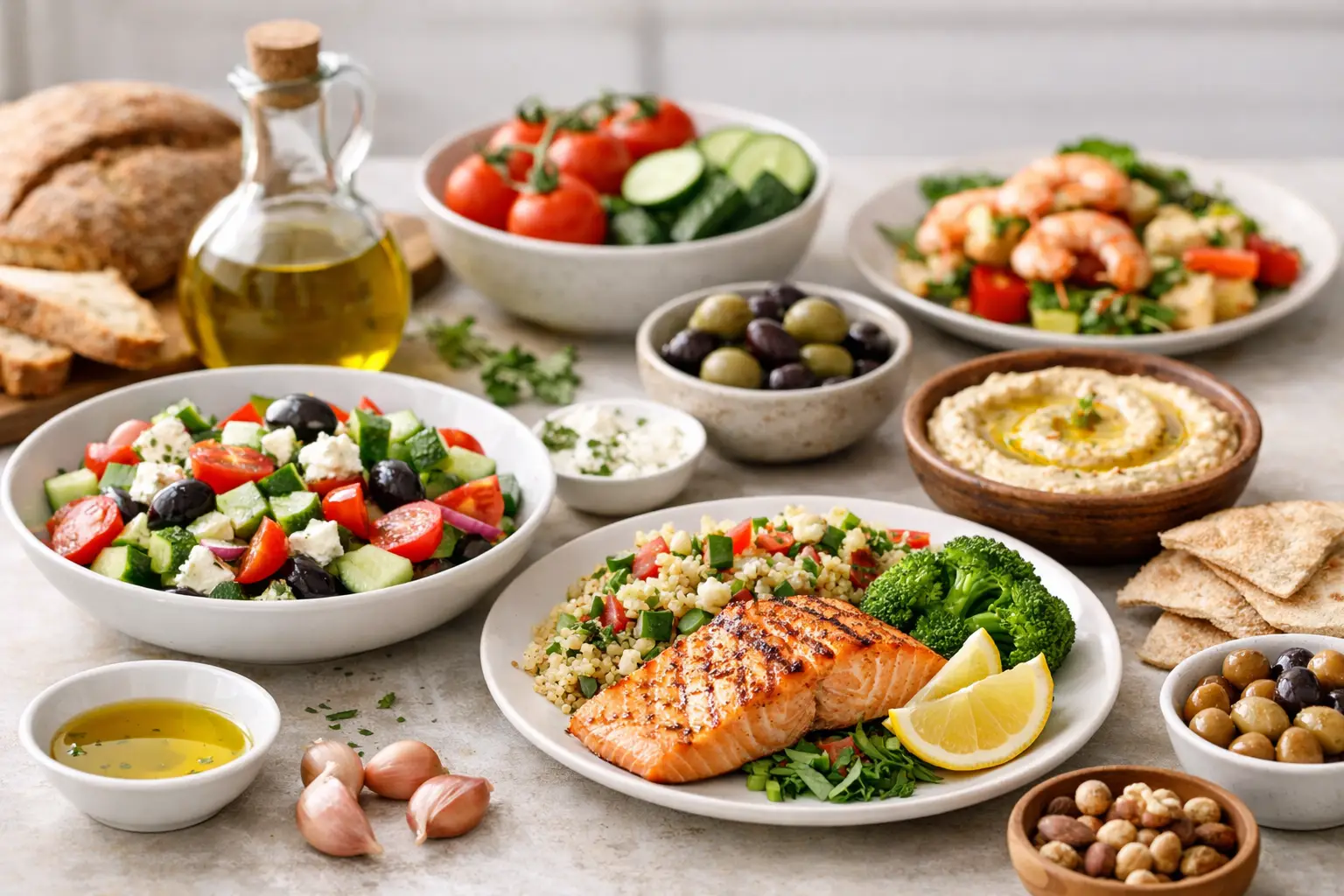
If your usual dinner rotation is takeout, cereal, or whatever you can piece together at 7 p.m., you do not need a total kitchen makeover to start eating better. Mediterranean diet meal plans for beginners work best when they simplify your week, not when they ask you to cook like a food blogger every night.
That matters because the Mediterranean diet is not a strict menu with banned foods and perfect portions. It is a pattern of eating built around vegetables, fruit, beans, lentils, whole grains, olive oil, nuts, seeds, herbs, seafood, and moderate amounts of dairy and poultry. Research has linked this style of eating with heart health, better blood sugar control, lower inflammation, and support for healthy aging. For beginners, the real win is simpler than that - it gives you a practical structure you can actually stick with.
What beginners get wrong about Mediterranean diet meal plans
Many people assume they need all new recipes, specialty ingredients, and a color-coded prep system before they can begin. Usually, that is what makes them quit. A good beginner meal plan uses familiar foods and a few repeat meals so your grocery list stays manageable.
The second mistake is trying to make every meal perfect. Mediterranean eating is not ruined by a sandwich, a busy workday, or a frozen vegetable shortcut. What matters is the overall pattern across the week. If most meals center on plants, healthy fats, and minimally processed foods, you are on track.
The easiest way to build a beginner plan
Think in meal templates rather than complicated recipes. Breakfast can be Greek yogurt with berries and walnuts, oatmeal with fruit and chia seeds, or eggs with whole grain toast and sautéed spinach. Lunch can be a grain bowl, bean soup, salad with protein, or leftovers from dinner. Dinner usually works best when it follows one of three simple formulas: fish or chicken with vegetables and a whole grain, a bean-based meal with salad, or pasta with vegetables, olive oil, and a lean protein.
This approach gives you flexibility. You do not need seven entirely different breakfasts and lunches. Repeating a few meals is often what makes a plan realistic for busy people.
A 7-day Mediterranean diet meal plan for beginners
Here is what a practical week can look like.
Day 1
Breakfast is plain Greek yogurt with blueberries, walnuts, and a drizzle of honey. Lunch is a chickpea salad with cucumber, tomato, red onion, olive oil, and lemon, plus a piece of fruit. Dinner is baked salmon, roasted broccoli, and brown rice.
Day 2
Breakfast is oatmeal cooked with cinnamon, topped with sliced apple and almonds. Lunch is leftover salmon over mixed greens with olive oil and vinegar. Dinner is a whole grain pasta bowl with sautéed zucchini, cherry tomatoes, spinach, olive oil, garlic, and a sprinkle of Parmesan.
Day 3
Breakfast is whole grain toast with avocado and one or two eggs. Lunch is lentil soup with a side salad. Dinner is grilled chicken, quinoa, and roasted carrots with herbs.
Day 4
Breakfast is a smoothie made with plain yogurt, frozen berries, spinach, and chia seeds. Lunch is a turkey and hummus wrap on a whole grain tortilla with sliced peppers on the side. Dinner is a bean skillet with cannellini beans, tomatoes, spinach, garlic, and olive oil, served with whole grain toast.
Day 5
Breakfast is cottage cheese or Greek yogurt with strawberries and pumpkin seeds. Lunch is leftover bean skillet with a simple salad. Dinner is shrimp sautéed in olive oil with garlic, served over farro or brown rice with asparagus.
Day 6
Breakfast is oatmeal with banana, walnuts, and a spoonful of peanut butter. Lunch is a quinoa bowl with cucumbers, olives, tomatoes, feta, and chickpeas. Dinner is baked chicken thighs, roasted sweet potatoes, and green beans.
Day 7
Breakfast is eggs with spinach and tomatoes, plus whole grain toast. Lunch is a tuna salad made with olive oil or Greek yogurt, served over greens or in a whole grain pita. Dinner is vegetable soup with white beans and a side salad, followed by fruit.
If this looks almost too simple, that is the point. Beginner meal plans should lower friction. You can always add more variety later.
How to shop for a week without overspending
A lot of people worry that Mediterranean eating sounds healthy but expensive. It can be expensive if every meal includes fresh fish, imported extras, and zero leftovers. It can also be one of the most budget-friendly ways to eat if you lean on beans, oats, eggs, canned tuna, frozen vegetables, brown rice, and seasonal produce.
For one week, start with a short core list: leafy greens, tomatoes, cucumbers, onions, broccoli, carrots, fruit, oats, brown rice or quinoa, whole grain bread or pasta, canned beans, lentils, Greek yogurt, eggs, olive oil, nuts, and one or two proteins like salmon, chicken, shrimp, or canned fish. That gives you enough to mix and match meals without buying ingredients that only work for one recipe.
Frozen vegetables are worth using, especially for beginners. They cut waste, save time, and make it easier to keep your plan going on busy nights.
What if you want weight loss too?
Mediterranean diet meal plans for beginners can support weight loss, but not because they are magic. They work because they tend to improve food quality, increase fiber, and make meals more satisfying. When meals include protein, healthy fats, and high-fiber carbohydrates, many people naturally snack less and feel more in control.
Still, portions matter. Olive oil, nuts, cheese, and whole grains are healthy foods, but they are not unlimited foods. If weight loss is one of your goals, keep meals balanced instead of heavy. A plate with half vegetables, a quarter protein, and a quarter whole grains is a good starting point.
It also helps to watch the extras that quietly add up - sugary coffee drinks, oversized restaurant portions, frequent desserts, and packaged snack foods marketed as healthy.
How to make the plan easier on busy weekdays
The best meal plan is the one you can follow on your most chaotic day. That usually means doing a small amount of prep, not a full Sunday marathon. Wash and chop a few vegetables, cook one grain, mix one simple dressing, and prepare one protein ahead of time. Even 30 minutes of prep can make weekday meals much easier.
Keep backup meals in the house too. A can of beans, whole grain toast, eggs, frozen vegetables, and jarred marinara can turn into dinner fast. That matters more than chasing variety.
If you want extra structure, start with a free beginner program or a simple written meal plan and repeat it for two weeks. Familiarity helps habits stick.
Common beginner questions
Do I have to eat fish?
No. Fish is a common part of Mediterranean-style eating, but beginners can still follow the pattern with beans, lentils, eggs, yogurt, chicken, or occasional lean meat. If you do eat seafood, aiming for it a couple of times a week is a helpful goal, not a rule you must hit immediately.
Is bread allowed?
Yes, especially whole grain bread in reasonable portions. The Mediterranean diet is not a no-carb plan. The difference is that carbs usually come from whole grains, beans, fruit, and less processed foods rather than sweets and refined snacks.
Do I need complicated recipes?
Not at all. Some of the best Mediterranean meals are the simplest: soup, grain bowls, roasted vegetables, salads, yogurt bowls, eggs, and sheet pan dinners.
Can I still eat out?
Yes, but it helps to keep the same pattern in mind. Look for grilled fish or chicken, bean-based dishes, salads, vegetable sides, olive oil-based preparations, and whole grains when available. It depends on the restaurant, but you usually have better options than you think.
The goal is a pattern, not perfection
Beginners do better when they stop asking, “What is the perfect Mediterranean meal plan?” and start asking, “What can I repeat this week without making life harder?” That shift changes everything. It turns healthy eating into a routine instead of a project.
If you want a clear place to begin, keep your first week simple, repeat meals on purpose, and let your plan get better over time. That is how this way of eating becomes sustainable - not through strict rules, but through small choices you can live with next week too.
