

If you’re over 50, you’ve probably noticed something unsettling: you can eat exactly the same way you did for years… and somehow still gain weight, lose energy, or feel quietly inflamed. This isn’t because you’ve suddenly become lazy or your body has “given up.” What’s really changed is how your body responds to food after 50.
This is exactly the problem a Mediterranean diet maintenance plan for over 50 is designed to solve. Not weight loss. Not restriction. Maintenance. Sustainability. Healthy aging. And - importantly - still enjoying food.
Why “Maintenance” Matters More Than Weight Loss After 50
The Mediterranean approach focuses on sustainable eating patterns that support healthy aging
Here’s an uncomfortable truth rarely discussed: Most health damage happens after dieting - not before it.
Repeated weight loss and regain (often called weight cycling) is linked to higher cardiovascular risk, worsening insulin resistance, loss of lean muscle mass, and increased inflammation.
Research published in The New England Journal of Medicine and JAMA shows that long-term outcomes are better for people who maintain stable weight with high diet quality than those who repeatedly chase weight loss goals.
This is why a Mediterranean diet maintenance plan works so well for those over 50: it focuses on food quality, routine, and metabolic calm, not extremes.
A story most over-50s recognize: You’re doing “everything right.” Breakfast is sensible. Lunch is light. Dinner is reasonable. Mostly. And yet: your waistband disagrees, your energy dips mid-afternoon, your joints feel creaky, and sleep isn’t what it used to be. So you cut carbs. Then fats. Then joy. It works - briefly. Then life happens. The weight returns. The guilt follows. And you quietly wonder whether this is just how aging feels now.
It isn’t. What’s missing isn’t willpower - it’s a maintenance framework.
The Mediterranean Diet: A Lifestyle, Not a “Diet”
The Mediterranean approach isn’t new. It wasn’t invented by influencers. And it doesn’t come with a dramatic “before and after” montage. It comes from real populations who quietly lived longer, healthier lives.
Large cohort studies - including the PREDIMED trial and follow-up analyses in The BMJ and The Lancet - consistently show that people following a Mediterranean dietary pattern experience:
- Lower all-cause mortality
- Reduced cardiovascular disease risk
- Improved metabolic health
- Reduced chronic inflammation
- Better weight stability over time
Importantly, these benefits were observed without calorie counting and without weight-loss pressure. That makes it ideal as a sustainable eating plan for healthy aging.
How the Mediterranean Diet Helps You Maintain Weight After 50
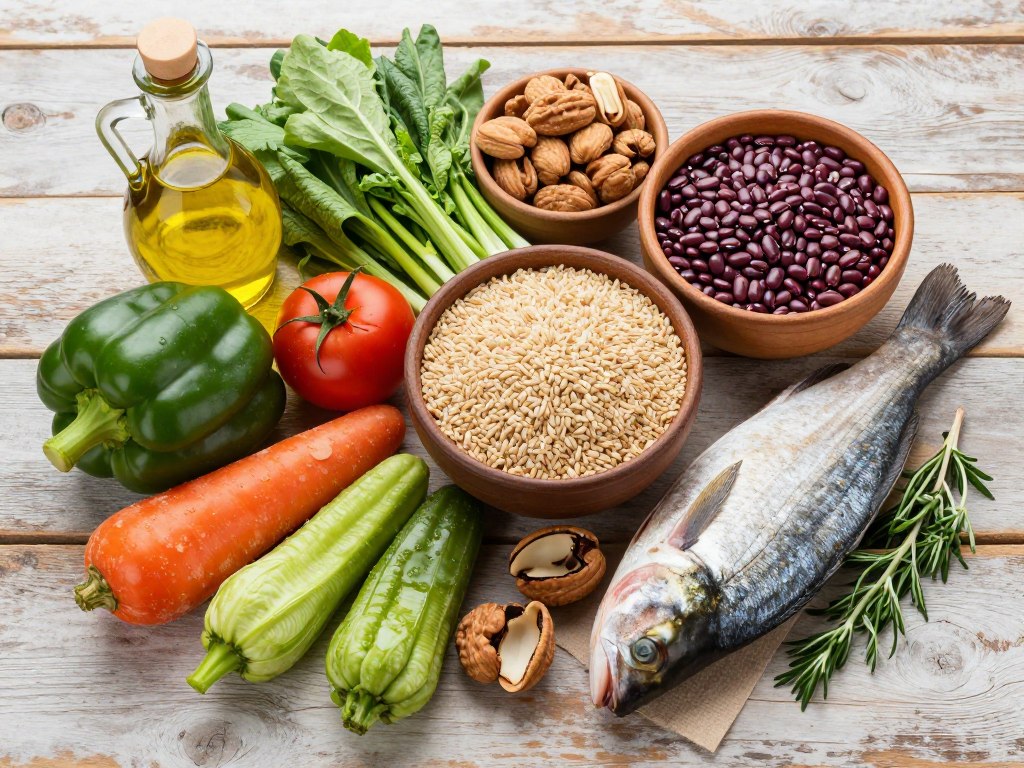
The Mediterranean diet works for maintenance because it aligns with how aging bodies function, not how dieting culture wishes they did.
1. It Stabilizes Blood Sugar (Without Extremes)
Foods central to the Mediterranean pattern - legumes, vegetables, whole grains, olive oil, nuts, and fish - slow digestion and blunt glucose spikes. This reduces hunger swings, energy crashes, and fat storage signaling.
A 2020 meta-analysis in BMJ Nutrition showed improved insulin sensitivity in older adults following Mediterranean-style diets - even without weight loss.
2. It Preserves Muscle Mass
Protein intake tends to drop with age - often unintentionally. The Mediterranean approach naturally includes moderate, consistent protein from fish, Greek yogurt, legumes, eggs, and poultry.
Maintaining muscle is critical for metabolic health and long-term weight stability, especially after 50 when natural muscle loss accelerates.
3. It Reduces Low-Grade Inflammation
Chronic, low-grade inflammation is a hallmark of aging and a key driver of metabolic dysfunction. Mediterranean diets are rich in polyphenols (olive oil, vegetables), omega-3 fats (fish), and fiber (legumes, whole grains).
These compounds are consistently linked to reduced inflammatory markers such as CRP and IL-6 (American Journal of Clinical Nutrition).
Mediterranean Diet Food List: What to Eat and What to Limit
Foods to Enjoy Regularly
- Vegetables: All varieties, especially leafy greens, tomatoes, peppers, eggplant, and onions
- Fruits: Fresh seasonal fruits, berries, citrus, apples, pears
- Whole Grains: Brown rice, quinoa, farro, whole grain bread and pasta
- Legumes: Chickpeas, lentils, beans
- Nuts and Seeds: Walnuts, almonds, flaxseeds, sunflower seeds
- Olive Oil: Extra virgin olive oil as the primary fat source
- Fish: Fatty fish like salmon, sardines, mackerel (2-3 times weekly)
- Herbs and Spices: Garlic, oregano, basil, rosemary
Foods to Limit
- Red Meat: Limit to once weekly or less
- Processed Foods: Minimize packaged snacks, processed meats
- Added Sugars: Limit sweets, sugary beverages
- Refined Grains: Limit white bread, white rice
- Butter and Margarine: Use olive oil instead
- Fried Foods: Bake, roast, or grill instead
The Mediterranean diet pyramid emphasizes plant foods and healthy fats
The 28-Day Mediterranean Maintenance Plan for Over 50
Habits don’t lock in overnight. They also don’t require 12 weeks of misery. Behavioral research shows that 28-30 days is a sweet spot for establishing routine, reducing decision fatigue, and creating repeatable habits.
That’s why a 28-day Mediterranean maintenance plan works so well. It’s long enough to settle appetite regulation, normalize portions, reduce inflammation, and build confidence. And short enough to feel doable.
Weeks 1-2: Foundation
Focus on easy swaps and additions rather than restriction:
- Replace butter with extra virgin olive oil
- Add one extra vegetable serving to each meal
- Swap refined grains for whole grains
- Include fish twice this week
- Practice the “Mediterranean Plate”: ½ vegetables, ¼ protein, ¼ complex carbs
Weeks 3-4: Build & Refine
Deepen your Mediterranean habits:
- Experiment with legume-based meals twice weekly
- Practice mindful eating (slower pace, seated at table)
- Add a 15-minute daily walk after meals
- Try new Mediterranean herbs and spices
- Notice how your energy, sleep, and digestion have changed
Why 28 Days Works: This timeframe allows your taste preferences to adapt, inflammation markers to decrease, and new habits to form. Research shows that habit formation typically takes 21-30 days, making this an ideal reset period.
What a Mediterranean Lifestyle Plan After 50 Actually Looks Like
Let’s strip away the romance and make this practical. A Mediterranean lifestyle plan after 50 isn’t about perfection - it’s about rhythm.
Daily Rhythm (Maintenance-Friendly)
Breakfast
Protein + fiber combination
- Greek yogurt with berries and nuts
- Whole grain toast with avocado and egg
- Overnight oats with fruit and seeds
Lunch
Vegetables + protein + healthy fat
- Large salad with chickpeas and olive oil dressing
- Grain bowl with roasted vegetables and fish
- Mediterranean wrap with hummus and vegetables
Dinner
Simple protein + vegetables + modest carbs
- Baked fish with roasted vegetables and quinoa
- Vegetable and bean soup with whole grain bread
- Chicken with herbs, vegetables, and small portion of pasta
Nothing fancy. Nothing extreme. And yes - wine can still exist. Just not as a coping mechanism (we’ve all been there).
A Quick Mediterranean Comfort Food Recipe
Because healthy eating shouldn’t feel punitive.
Mediterranean Baked Eggs with Tomatoes & Feta
Serves 2 | Comforting, simple, nourishing

Ingredients
- 1 cup cherry tomatoes
- 1 tbsp extra-virgin olive oil
- ½ tsp dried oregano
- ¼ tsp smoked paprika
- 2-3 eggs
- 30 g feta cheese
- Fresh parsley (optional)
Method
- Preheat oven to 180°C (fan).
- Toss tomatoes with olive oil, oregano, and paprika. Bake 10 minutes.
- Make small wells, crack eggs in.
- Sprinkle feta over the top.
- Bake another 8-10 minutes until eggs are just set.
- Serve with whole-grain toast or a simple salad.
Comfort food. Mediterranean style. No guilt required.
Special Considerations for Following the Mediterranean Diet After 50

Addressing Common Challenges
Changes in Taste Perception
Many adults over 50 experience changes in taste sensitivity. The Mediterranean diet’s emphasis on herbs, spices, and olive oil naturally enhances flavor without excess salt or sugar.
Cooking for One or Two
If you’re cooking for fewer people now, focus on versatile ingredients that can be used multiple ways. Cook a batch of quinoa or roasted vegetables to use throughout the week in different meals.
Dining Out
Look for Mediterranean-inspired options when eating out: grilled fish, vegetable-forward dishes, olive oil-based dressings. Most restaurants can accommodate simple modifications.
Supporting Healthy Aging
Muscle Preservation
Combine your Mediterranean eating pattern with regular strength training (even light resistance bands or bodyweight exercises). This combination is particularly effective for maintaining muscle mass after 50.
Bone Health
The Mediterranean diet includes calcium sources like yogurt, small fish with bones, and leafy greens. Consider whether you need additional calcium or vitamin D supplements based on your specific needs.
Digestive Changes
The high-fiber content of the Mediterranean diet supports digestive health, but introduce fiber-rich foods gradually if you’re not used to them. Stay well-hydrated to help fiber do its job.
What Long-Term Research Shows About the Mediterranean Diet After 50
Research consistently shows multiple health benefits from Mediterranean dietary patterns
This isn’t opinion - it’s evidence from major clinical studies:
- PREDIMED Trial (NEJM): ~30% reduction in major cardiovascular events
- The Lancet: Improved longevity markers in Mediterranean-aligned populations
- BMJ: Lower all-cause mortality and reduced chronic disease risk
- Harvard T.H. Chan School of Public Health: Mediterranean diets ranked among the most sustainable and evidence-backed eating patterns globally
Not a fad. Not a phase. A pattern with decades of scientific support.
Practical Tips for Getting Started

Start With Pantry Staples
- Extra virgin olive oil
- Canned beans and lentils
- Canned fish (sardines, tuna)
- Whole grains (brown rice, quinoa)
- Nuts and seeds
- Dried herbs (oregano, basil, thyme)
Simple Meal Formulas
- Grain bowl: grain + protein + vegetables + olive oil
- Mediterranean plate: ½ vegetables, ¼ protein, ¼ whole grains
- One-pan meals: protein + vegetables roasted with olive oil and herbs
- Big batch soups: vegetables + beans + whole grains
Habit-Building Strategies
- Prep vegetables once, use multiple ways
- Keep frozen vegetables and fruits on hand
- Batch cook grains and beans
- Create a weekly rhythm (e.g., Meatless Monday, Fish Friday)
- Focus on adding, not restricting
Do I need to count calories on the Mediterranean diet?
No. The Mediterranean approach focuses on food quality and natural portion regulation rather than calorie counting. Most people naturally find their balance when eating nutrient-dense, satisfying foods.
Can I still have treats occasionally?
Absolutely. The Mediterranean approach is about patterns, not perfection. Occasional treats, especially those made with quality ingredients like dark chocolate, can be part of a sustainable plan.
How quickly will I see results?
Many people notice improvements in energy, digestion, and sleep within the first 1-2 weeks. Inflammatory markers can begin to improve within 28 days. Remember, this is a maintenance approach focused on long-term health, not rapid changes.
A Day in the Life: Sample Mediterranean Maintenance Plan

| Meal | Option 1 | Option 2 | Option 3 |
| Breakfast | Greek yogurt with berries, walnuts, and a drizzle of honey | Whole grain toast with avocado and a soft-boiled egg | Vegetable frittata with a side of fresh fruit |
| Lunch | Mediterranean salad with chickpeas, feta, olives, and olive oil dressing | Lentil soup with whole grain bread and a small side salad | Tuna mixed with olive oil and herbs on a bed of greens |
| Snack | Handful of almonds and an apple | Hummus with vegetable sticks | Small piece of cheese with a few whole grain crackers |
| Dinner | Baked salmon with roasted vegetables and quinoa | Chicken with herbs, tomatoes, olives, and a small portion of whole grain pasta | Bean and vegetable stew with a side of brown rice |
| Evening (optional) | Small glass of red wine (if desired) | Square of dark chocolate | Herbal tea |
Remember, this is a template, not a rigid prescription. Adapt based on your preferences, hunger levels, and what’s available to you.
Ready to Experience the Mediterranean Maintenance Approach?
If you’d like more structured guidance on the Mediterranean Diet, including meal plans, recipes, and practical tools designed specifically for adults over 50, explore our comprehensive resources.
Final Thoughts: A New Perspective on Healthy Aging

After 50, the goal changes. It’s no longer about shrinking yourself. It’s about supporting the body you live in.
A Mediterranean diet maintenance plan for over 50 gives you stability instead of struggle, structure without obsession, and health without giving up enjoyment.
And that’s something worth maintaining.
Get well and stay well,
Ray Baker
