

Do you find yourself constantly exhausted despite getting enough sleep? That afternoon slump hitting harder than it should? The problem might not be in your daily habits, but deep within your cells. Mitochondria—your cellular powerhouses—could be struggling to produce the energy your body needs. The good news? A targeted mitochondrial health diet can help revitalize these tiny but mighty energy factories, potentially transforming your energy levels from the inside out.
Recent research shows that mitochondrial dysfunction is linked to fatigue, brain fog, and even chronic health conditions. By focusing on specific nutrients and eating patterns that support these cellular powerhouses, you can help restore your natural vitality and mental clarity—often within weeks of making dietary changes.
Understanding Your Cellular Powerhouses: What Are Mitochondria?
Mitochondria are the energy-producing organelles in your cells that convert nutrients into ATP
Before diving into dietary solutions, let’s understand what we’re feeding. Mitochondria are specialized structures within almost every cell in your body. These microscopic powerhouses convert the food you eat into adenosine triphosphate (ATP)—the energy currency your body uses for everything from thinking to moving.
What makes mitochondria fascinating is that they have their own DNA, separate from the DNA in your cell nucleus. This mitochondrial DNA (mtDNA) is inherited exclusively from your mother and is particularly vulnerable to damage from oxidative stress and inflammation.
The Energy Production Process
Mitochondria generate energy through a complex process called oxidative phosphorylation. This process creates ATP but also produces reactive oxygen species (ROS) as a byproduct. When functioning optimally, mitochondria can manage these ROS. However, when mitochondria are stressed or damaged, excessive ROS production can lead to oxidative stress, damaging the mitochondria themselves in a vicious cycle.
“Mitochondria are far more than just energy factories. They’re involved in cellular signaling, immune response, and even determine when cells die. Their health impacts virtually every aspect of your wellbeing.”
7 Signs Your Mitochondria May Be Struggling
How do you know if your mitochondria need support? Here are common signs that your cellular energy production might be compromised:
If you’re experiencing several of these symptoms, supporting your mitochondrial health through diet and lifestyle changes could make a significant difference in how you feel daily.
The Mediterranean Diet-Mitochondria Connection

When it comes to supporting mitochondrial function, the Mediterranean diet stands out as particularly effective. This eating pattern emphasizes foods rich in antioxidants, healthy fats, and compounds that directly support energy production at the cellular level.
Problem: Mitochondrial Membrane Damage
Mitochondria have membranes that can be damaged by oxidative stress, reducing their efficiency. The standard American diet, high in processed foods and unhealthy fats, can accelerate this damage.
Mediterranean Solution: Olive Oil and Omega-3s
Extra virgin olive oil—a cornerstone of the Mediterranean diet—contains oleocanthal and oleuropein, compounds that help protect mitochondrial membranes. A 2019 study published in the Journal of Nutritional Biochemistry found that these olive oil compounds helped preserve mitochondrial function even under oxidative stress conditions.
Fascinating Fact: The mitochondrial membrane is similar in composition to brain tissue, which may explain why foods that support mitochondrial health often improve cognitive function as well.
Similarly, the omega-3 fatty acids abundant in Mediterranean fish like sardines and mackerel help maintain membrane fluidity and function. Research from the University of California found that DHA, a type of omega-3, can actually reshape mitochondrial membranes to optimize energy production.
Want to learn more about the Mediterranean Diet?
Discover comprehensive guides, meal plans, and recipes that can help you implement this mitochondria-supporting eating pattern.
Key Nutrients for Mitochondrial Health Diet Success
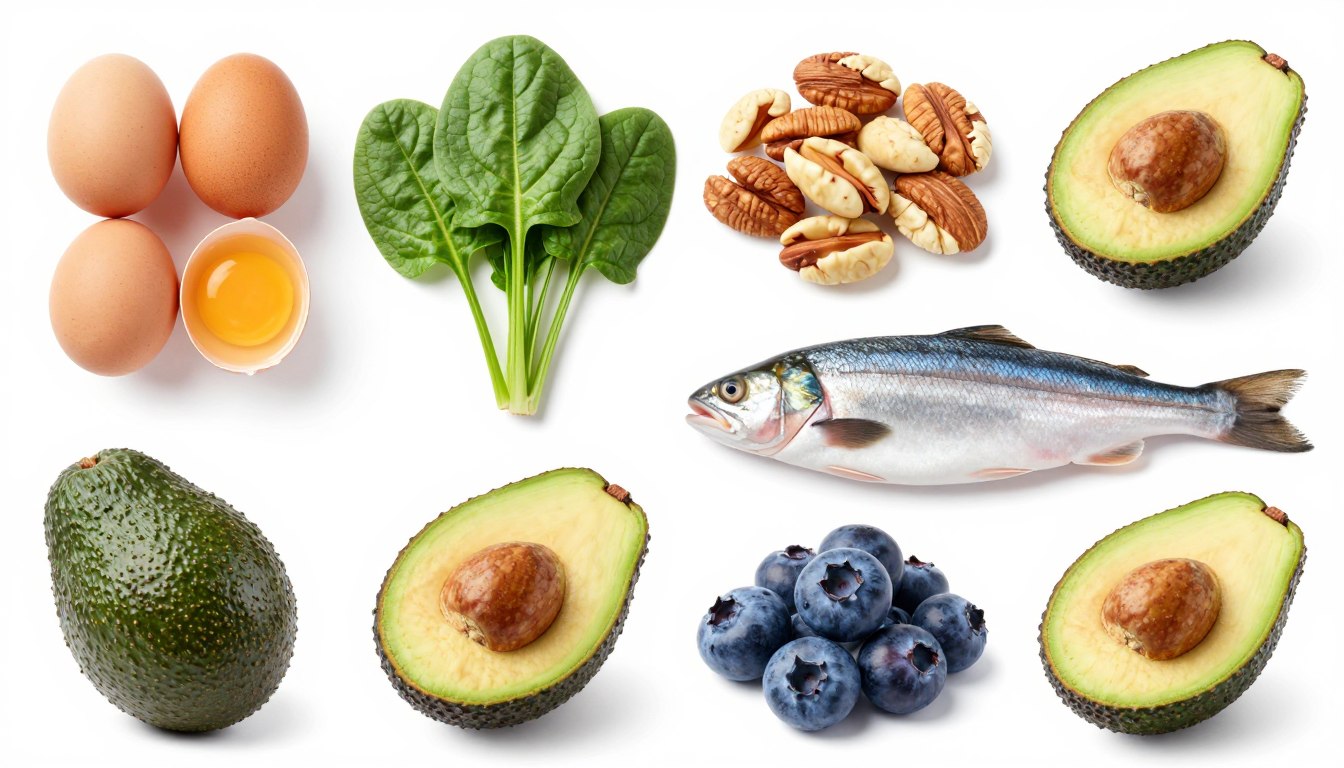
Specific nutrients play crucial roles in supporting mitochondrial function. Here’s what your cellular powerhouses need most:
CoQ10
Coenzyme Q10 is essential for the electron transport chain—the final step in ATP production. Your body’s natural CoQ10 production decreases with age.
Best sources: Fatty fish, organ meats, and whole grains. Mediterranean diet staples like sardines and whole wheat contain significant amounts.
B Vitamins
B vitamins serve as cofactors in energy production pathways. B1, B2, B3, and B5 are particularly important for converting food into ATP.
Best sources: Leafy greens, legumes, seeds, and fish—all Mediterranean diet staples.
Magnesium
Required for over 300 enzymatic reactions, including many involved in energy production. Magnesium deficiency is linked to fatigue.
Best sources: Dark leafy greens, nuts, seeds, and whole grains—foods emphasized in the Mediterranean pattern.
Problem: Insufficient Antioxidant Protection
Energy production creates free radicals that can damage mitochondria if not properly neutralized by antioxidants.
Mediterranean Solution: Colorful Produce
The Mediterranean diet’s emphasis on colorful fruits and vegetables provides a spectrum of antioxidants that help protect mitochondria from oxidative damage. Research published in Cell Metabolism demonstrates that polyphenols from berries, grapes, and other colorful produce can activate mitochondrial biogenesis—the creation of new mitochondria.
Fascinating Fact: Your body contains approximately 10 million billion mitochondria, making up about 10% of your body weight. These tiny powerhouses are most concentrated in metabolically active organs like your heart, brain, and muscles.
Meal Timing: When You Eat Matters for Mitochondrial Health
It’s not just what you eat but when you eat that impacts mitochondrial function. Research shows that giving your digestive system regular breaks can enhance mitochondrial efficiency and promote cellular cleanup processes.
Problem: Constant Energy Demands
Continuous eating throughout the day keeps your mitochondria constantly working to process nutrients, never allowing time for repair and regeneration.
Mediterranean Solution: Natural Fasting Periods
Traditional Mediterranean eating patterns naturally incorporate periods of fasting between meals, with longer overnight fasts. This aligns with research showing that intermittent fasting triggers mitochondrial biogenesis and enhances their efficiency.
A 2017 study in Cell Research found that fasting periods of 12-16 hours activated pathways that improve mitochondrial function and stress resistance. This doesn’t require extreme fasting—simply finishing dinner by 7 PM and having breakfast at 7 AM provides a 12-hour fasting period.
“Giving your mitochondria regular breaks from energy production allows them to focus on repair and regeneration, much like how sleep allows your brain to recover.”
Anti-Inflammatory Foods: Protecting Your Cellular Powerhouses

Chronic inflammation is a major threat to mitochondrial health. Inflammatory compounds can directly damage mitochondrial DNA and disrupt energy production pathways.
Problem: Dietary Inflammation
The standard Western diet is pro-inflammatory, with processed foods, refined sugars, and industrial seed oils that can trigger inflammatory responses throughout the body, including in your mitochondria.
Mediterranean Solution: Anti-Inflammatory Staples
The Mediterranean diet is naturally anti-inflammatory, rich in foods that actively combat inflammation:
Research published in the Journal of the American College of Cardiology found that greater adherence to the Mediterranean diet was associated with lower inflammatory markers, including C-reactive protein and interleukin-6, both of which can damage mitochondria when elevated.
Fascinating Fact: Your mitochondria are constantly being recycled through a process called mitophagy, where damaged mitochondria are broken down and their components reused. Anti-inflammatory foods help ensure this recycling process works efficiently.
Blood Sugar Balance: A Critical Factor for Mitochondrial Function
Blood sugar spikes and crashes create a challenging environment for your mitochondria, forcing them to deal with sudden energy surpluses followed by deficits.
Problem: Glucose Fluctuations
High-glycemic foods cause rapid blood sugar spikes that flood mitochondria with glucose, increasing oxidative stress and potentially damaging mitochondrial DNA. The subsequent crashes leave cells struggling for energy.
Mediterranean Solution: Low-Glycemic Focus
The Mediterranean diet naturally emphasizes low-glycemic foods that provide steady, sustainable energy without dramatic spikes:
A 2020 study in the journal Nutrients found that participants following a Mediterranean eating pattern had significantly better glucose regulation and lower insulin resistance compared to those on a standard Western diet. This improved metabolic environment supports optimal mitochondrial function.
Mitochondria-Supporting Recipe: Mediterranean Energy Bowl
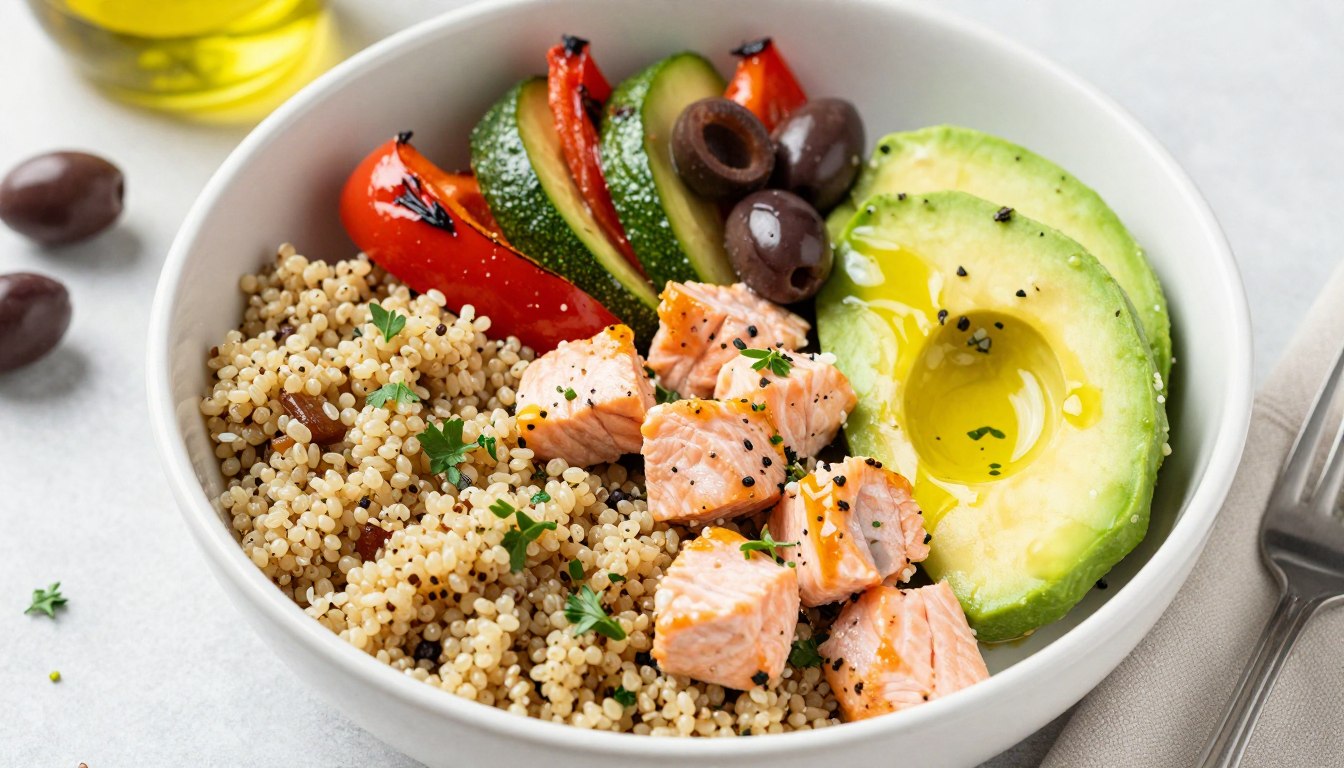
This simple yet powerful recipe combines key nutrients that support mitochondrial function in one delicious meal. It features CoQ10 from salmon, B vitamins from leafy greens, healthy fats from olive oil and avocado, and antioxidants from colorful vegetables.
Mediterranean Energy Bowl
Ingredients (serves 2):
Instructions:
Mitochondrial Benefits: This bowl provides a balanced combination of protein, healthy fats, and complex carbohydrates to support steady energy production. The salmon offers CoQ10 and omega-3s, while the leafy greens provide B vitamins and magnesium. Olive oil and walnuts contribute anti-inflammatory compounds, and the colorful vegetables deliver antioxidants to protect mitochondrial DNA.

While diet is fundamental to mitochondrial health, several lifestyle factors also significantly impact how well your cellular powerhouses function:
Exercise: The Mitochondrial Multiplier
Regular physical activity is one of the most powerful stimulators of mitochondrial biogenesis—the creation of new mitochondria. Research published in the Journal of Applied Physiology found that even moderate exercise increases mitochondrial content in muscle cells by 40-50% over time.
“Exercise creates a beneficial stress on mitochondria, signaling them to adapt and become more efficient. It’s like strength training for your cellular powerhouses.”
You don’t need intense workouts to see benefits. Studies show that consistent moderate activity like brisk walking for 30 minutes daily provides significant mitochondrial support.
Sleep: Recovery Time for Mitochondria
Quality sleep is essential for mitochondrial repair and regeneration. Research in the journal Sleep Medicine Reviews demonstrates that sleep disruption impairs mitochondrial function and increases oxidative stress.
Prioritize 7-9 hours of quality sleep in a dark, cool room. The Mediterranean lifestyle traditionally includes afternoon rest periods (siestas), which research suggests may support mitochondrial health.
Stress Management: Protecting Mitochondria from Cortisol
Chronic stress and elevated cortisol levels can damage mitochondria and impair their function. Mindfulness practices, deep breathing, and spending time in nature—all aspects of traditional Mediterranean living—help reduce stress hormones and protect mitochondrial health.
Fascinating Fact: Mitochondria are dynamic structures that constantly fuse together and split apart in response to cellular needs. This process, called mitochondrial dynamics, is optimized when stress levels are managed effectively.
Getting Started: Your 7-Day Mitochondrial Health Diet Plan
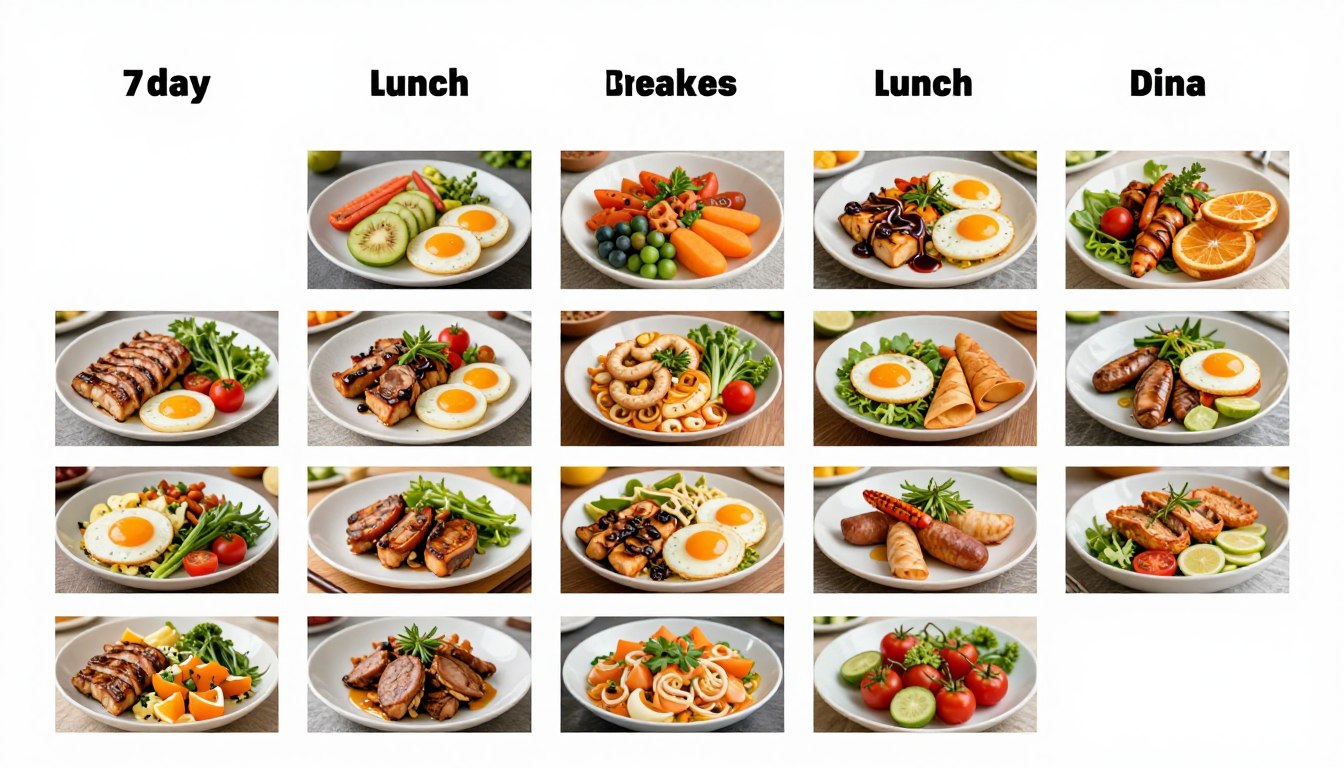
Ready to energize your mitochondria? Here’s a simple 7-day plan based on Mediterranean principles to get you started:
| Day | Breakfast | Lunch | Dinner | Snack |
| Monday | Greek yogurt with berries, walnuts, and honey | Mediterranean tuna salad with olive oil dressing | Baked salmon with roasted vegetables and quinoa | Handful of almonds and an apple |
| Tuesday | Spinach and feta omelet with whole grain toast | Lentil soup with mixed green salad | Chicken with herbs, olive oil, and roasted sweet potatoes | Hummus with vegetable sticks |
| Wednesday | Overnight oats with chia seeds and berries | Greek salad with chickpeas and olive oil dressing | Grilled sardines with quinoa and steamed broccoli | A pear and a small piece of dark chocolate |
| Thursday | Avocado toast on whole grain bread with eggs | Quinoa bowl with roasted vegetables and tahini sauce | Turkey meatballs with tomato sauce and whole grain pasta | Greek yogurt with a drizzle of honey |
| Friday | Smoothie with spinach, berries, and almond butter | Mediterranean Energy Bowl (recipe above) | Baked cod with olive tapenade and roasted vegetables | Handful of mixed nuts and seeds |
| Saturday | Whole grain toast with ricotta and figs | Vegetable and bean soup with olive oil drizzle | Grilled lamb with herbs and Mediterranean roasted vegetables | Olives and a small piece of cheese |
| Sunday | Mediterranean vegetable frittata | Falafel wrap with tahini sauce and salad | Seafood stew with tomatoes, herbs, and a side of whole grain bread | Fresh berries with a dollop of Greek yogurt |
Implementation Tips:
- Try to maintain a 12-hour overnight fast (e.g., finish dinner by 7 PM and have breakfast after 7 AM)
- Stay hydrated throughout the day
- Include protein, healthy fats, and fiber at each meal for blood sugar stability
- Aim for at least 5 servings of colorful vegetables and fruits daily
- Use extra virgin olive oil as your primary cooking fat
Ready to transform your energy levels?
Get comprehensive Mediterranean diet resources, meal plans, and recipes to support your mitochondrial health journey.
Conclusion: Powering Up Your Life Through Mitochondrial Health

Supporting your mitochondria through diet and lifestyle isn’t just about having more energy—though that’s certainly a welcome benefit. It’s about creating the cellular foundation for overall health, longevity, and vitality.
The Mediterranean diet offers a time-tested, research-backed approach to nourishing these tiny but mighty powerhouses. By emphasizing anti-inflammatory foods, healthy fats, antioxidant-rich produce, and balanced meal timing, you’re giving your mitochondria exactly what they need to function optimally.
Remember that mitochondrial health is a journey, not a destination. Small, consistent changes often yield the most sustainable results. Start by incorporating one or two principles from this article, then gradually build upon your success.
Your mitochondria are remarkably responsive to positive changes. Many people report noticeable improvements in energy levels within just 2-3 weeks of implementing these dietary principles. As your cellular powerhouses begin functioning more efficiently, you may find yourself experiencing not just more energy, but greater mental clarity, improved mood, and a renewed sense of vitality.
Get well and stay well,
Ray Baker.
