

Do you find yourself battling unexplained weight gain despite your best efforts? Perhaps you’re experiencing energy crashes throughout the day, or that stubborn belly fat just won’t budge no matter what diet you try. These frustrating symptoms aren’t random-they’re often connected to suboptimal metabolic health. Research shows that a staggering 88% of Americans have metabolic dysfunction, making it a silent epidemic affecting energy levels, weight management, and overall wellbeing (Araújo et al., 2019). The good news? Metabolic health is dynamic and responsive to lifestyle changes, with diet playing a pivotal role in its optimization.
What Is Metabolic Health and Why Does It Matter?
Metabolic health refers to how efficiently your body converts food into energy and manages key physiological processes. Clinically, it’s defined by optimal levels of five markers: blood sugar, triglycerides, HDL cholesterol, blood pressure, and waist circumference-without medication (Levels, 2024). When these systems function optimally, you experience stable energy, better weight management, and reduced disease risk.
Your metabolism isn’t just about how quickly you burn calories-it’s the complex set of biochemical processes that convert food into the energy that powers every cell in your body. These processes directly impact your:
- Energy levels throughout the day
- Ability to maintain healthy weight
- Fat storage and utilization
- Blood sugar regulation
- Hormone balance
- Inflammatory responses
- Brain function and mood
- Long-term disease risk
The cornerstone of metabolic health is glucose regulation. When blood sugar levels remain stable-avoiding dramatic spikes and crashes-your body can efficiently produce energy, manage hunger signals, and maintain cellular health. Unfortunately, the standard American diet, characterized by processed foods, refined carbohydrates, and added sugars, creates the perfect storm for metabolic dysfunction (Ludwig & Ebbeling, 2018).
7 Warning Signs Your Metabolic Health Needs Attention
Are you experiencing any of these telltale signs of metabolic dysfunction? Recognizing them early can help you take action before more serious health issues develop.
Energy Fluctuations
If you experience dramatic energy swings throughout the day-feeling energized one moment and completely depleted the next-your glucose regulation might be compromised. These energy rollercoasters often follow blood sugar spikes and crashes (Beilharz et al., 2015).
Stubborn Weight Gain
When insulin sensitivity decreases, your body becomes less efficient at using glucose for energy and more likely to store it as fat. This metabolic inefficiency makes weight loss increasingly difficult, particularly around the abdomen (Després & Lemieux, 2006).
Constant Hunger
Feeling hungry shortly after meals may indicate poor blood sugar regulation. When glucose levels crash after a spike, your body signals hunger again, creating a vicious cycle of overeating and energy crashes (Ludwig, 2002).
Brain Fog
Your brain is highly sensitive to glucose fluctuations. Unstable blood sugar can manifest as difficulty concentrating, memory issues, and mental clarity problems (Beilharz et al., 2015).
Afternoon Slumps
That 2-3 PM energy crash isn’t normal - it’s often a sign of metabolic dysfunction. Research shows these slumps frequently follow high-carbohydrate lunches that trigger insulin surges (Kanaley et al., 2014).
Poor Sleep Quality
Metabolic health and sleep quality are bidirectionally linked. Blood sugar fluctuations can disrupt sleep patterns, while poor sleep further impairs glucose regulation (Spiegel et al., 2009).
“Metabolic health isn’t a fixed state it’s a dynamic condition that responds to daily lifestyle choices. Small, consistent changes can lead to significant improvements over time.”
The Mediterranean Diet: A Metabolic Health Powerhouse
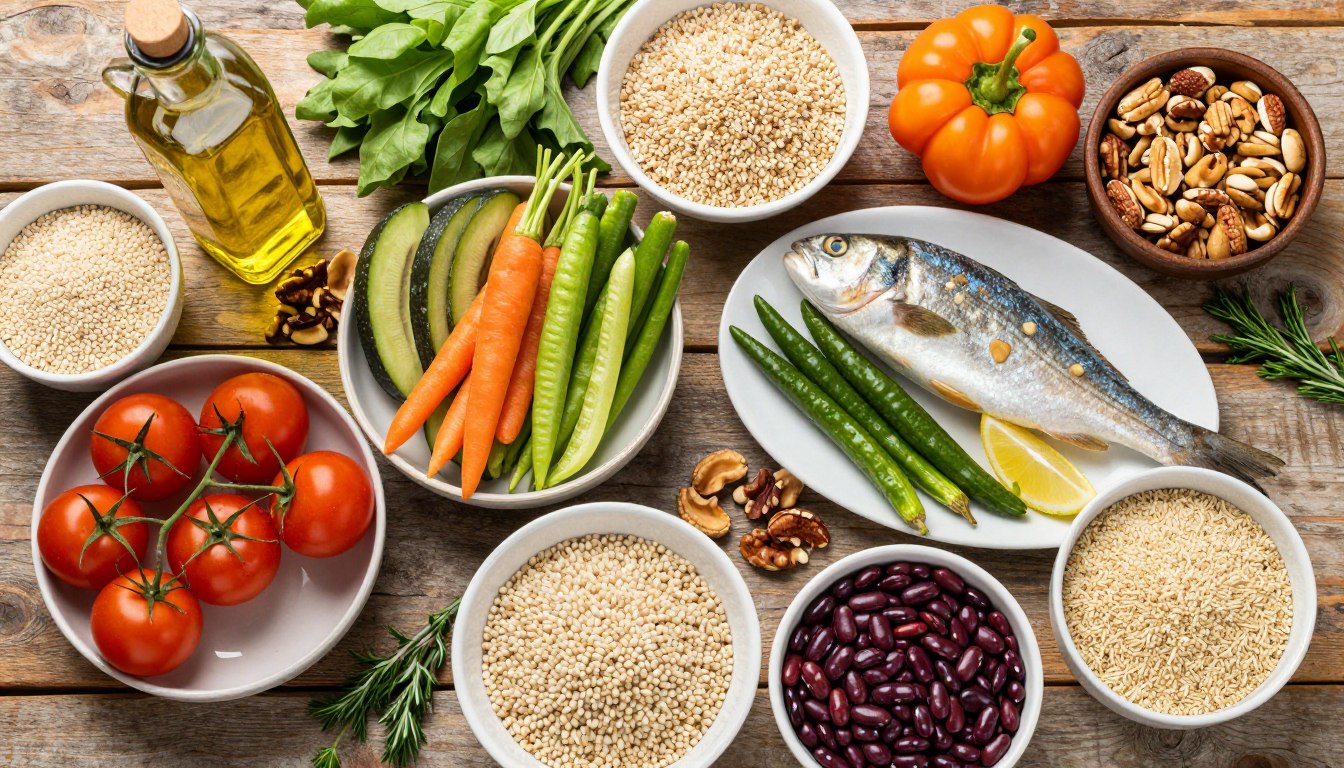
You’ve likely heard of the Mediterranean diet for heart health, but its benefits extend far beyond cardiovascular protection. This eating pattern has emerged as one of the most effective dietary approaches for metabolic health optimization, supported by decades of research (Esposito et al., 2015).
The Mediterranean diet isn’t a restrictive “diet” in the conventional sense-it’s a flexible eating pattern centered around:
- Abundant plant foods (vegetables, fruits, legumes)
- Whole grains and nuts
- Olive oil as the primary fat source
- Moderate fish and seafood consumption
- Limited dairy, poultry, and eggs
- Minimal red meat
- Moderate wine consumption (optional)
- Minimal processed foods and added sugars
What makes this eating pattern so effective for metabolic health? Multiple mechanisms work synergistically:
A landmark study published in the New England Journal of Medicine found that participants following a Mediterranean diet had a 30% lower risk of major cardiovascular events compared to those on a low-fat diet (Estruch et al., 2018). Importantly, these benefits were achieved without calorie restriction or weight loss requirements, highlighting the diet’s metabolic advantages beyond simple calorie math.
Blood Sugar Balance: The Foundation of Metabolic Health

Do you find yourself reaching for caffeine or sugary snacks to combat afternoon energy slumps? These energy crashes are often symptoms of blood sugar dysregulation-a core component of metabolic dysfunction. When you consume refined carbohydrates or sugary foods, your blood glucose spikes rapidly, triggering a surge of insulin that often leads to a subsequent crash. This rollercoaster not only leaves you feeling fatigued but also promotes inflammation and fat storage (Ludwig, 2002).
The Mediterranean diet naturally stabilizes blood sugar through several mechanisms:
Fiber-Rich Foods
The abundant vegetables, fruits, legumes, and whole grains in the Mediterranean diet provide substantial dietary fiber, which slows glucose absorption and prevents sharp blood sugar spikes. Research shows that high-fiber meals can reduce postprandial glucose responses by up to 30% (Jenkins et al., 2002).
Healthy Fat Integration
Olive oil, nuts, and fatty fish provide monounsaturated and omega-3 fatty acids that improve insulin sensitivity and slow carbohydrate digestion. When consumed with carbohydrates, these healthy fats significantly blunt glucose spikes (Bozzetto et al., 2018).
Protein Balance
The moderate protein content from fish, legumes, and occasional poultry helps maintain stable blood sugar levels while supporting muscle mass-a key factor in metabolic health. Protein has minimal impact on blood glucose while increasing satiety (Layman et al., 2008).
How quickly can I see improvements in my blood sugar levels with the Mediterranean diet?
Many people notice improvements in blood sugar stability within 1-2 weeks of adopting Mediterranean eating patterns. Research shows measurable improvements in insulin sensitivity can occur within 12 weeks (Esposito et al., 2015). The key is consistency-even partial adherence to Mediterranean principles can yield benefits, though full implementation provides the most significant results.
5 Mediterranean Diet Principles for Metabolic Health Optimization
Struggling with inconsistent energy levels and stubborn weight gain? The Mediterranean diet offers specific principles that directly address these metabolic challenges. Let’s explore the five core components that make this eating pattern so effective for metabolic health optimization:

1. Prioritize Plant Foods
The foundation of the Mediterranean diet is abundant plant foods-vegetables, fruits, legumes, nuts, and seeds. These foods provide fiber, antioxidants, and phytonutrients that support metabolic health. A meta-analysis of 50 studies found that higher vegetable and fruit intake was associated with a 24% reduced risk of metabolic syndrome (Rodríguez-Monforte et al., 2017).
Implementation tip: Fill half your plate with non-starchy vegetables at lunch and dinner to naturally crowd out higher-glycemic foods.
2. Choose Healthy Fats
Unlike many “low-fat” diets, the Mediterranean pattern embraces healthy fats, particularly extra virgin olive oil. These monounsaturated fats improve insulin sensitivity and reduce inflammation. Research shows that replacing saturated fats with olive oil can improve glucose metabolism by up to 12% (Schwingshackl et al., 2017).
Implementation tip: Use extra virgin olive oil as your primary cooking fat and for dressings, and include avocados, nuts, and seeds regularly.
3. Moderate Protein Selection
The Mediterranean diet includes moderate protein primarily from fish, seafood, legumes, and occasional poultry. This protein profile provides essential amino acids while limiting red meat, which has been associated with poorer metabolic outcomes when consumed in excess (Guasch-Ferré et al., 2019).
Implementation tip: Aim for fish 2-3 times weekly and incorporate legumes (beans, lentils, chickpeas) at least 3 times weekly.
4. Choose Whole Grains
Unlike refined grains that spike blood sugar, the intact whole grains in the Mediterranean diet provide fiber and nutrients that support metabolic health. Studies show that whole grain consumption is associated with a 20-30% reduced risk of type 2 diabetes and better glucose control (Aune et al., 2013).
Implementation tip: Replace refined grains with intact whole grains like farro, quinoa, and steel-cut oats, and consume them in moderate portions.
5. Mindful Eating Patterns
Beyond specific foods, the Mediterranean lifestyle emphasizes mindful eating-slower meals, social connection during dining, and attention to hunger and fullness cues. This approach naturally regulates portion sizes and improves metabolic responses to meals (Dalen et al., 2010).
Implementation tip: Eat without screens, chew thoroughly, and take at least 20 minutes for meals to allow satiety signals to register.
Bonus: Regular Physical Activity
While not strictly a dietary principle, regular movement is integral to the Mediterranean lifestyle and metabolic health. Even moderate activity like walking improves glucose uptake by muscles and enhances insulin sensitivity (Colberg et al., 2016).
Implementation tip: Incorporate a 10-15 minute walk after meals to significantly reduce postprandial glucose spikes.
The evidence is clear: the Mediterranean diet offers one of the most effective dietary approaches for optimizing metabolic health. From stabilizing blood sugar to reducing inflammation and improving insulin sensitivity, this eating pattern addresses the root causes of metabolic dysfunction that plague so many Americans today.
Ready to dive deeper into how the Mediterranean diet can transform your metabolic health? The principles we’ve discussed are just the beginning. To fully harness the power of this eating pattern, you’ll want to explore specific meal plans, shopping guides, and detailed recipes that make implementation simple and sustainable.
Discover the Complete Mediterranean Diet Guide
For comprehensive resources, meal plans, and expert guidance on implementing the Mediterranean diet for optimal metabolic health, visit The Mediterranean Diet website.
Enhancing Insulin Sensitivity: The Key to Metabolic Flexibility
Do you find it increasingly difficult to lose weight despite eating less and exercising more? This frustrating experience often stems from declining insulin sensitivity-a critical factor in metabolic health. When cells become resistant to insulin’s effects, glucose remains in the bloodstream longer, triggering increased insulin production and promoting fat storage, especially around the abdomen (Petersen & Shulman, 2018).

The Mediterranean diet naturally enhances insulin sensitivity through multiple pathways:
Polyphenol Power
The abundant plant foods in the Mediterranean diet provide polyphenols-powerful compounds that improve insulin signaling and reduce oxidative stress. Olive oil, berries, and red wine (in moderation) are particularly rich sources. Research shows that olive oil polyphenols can improve insulin sensitivity by up to 15% (Schwingshackl et al., 2017).
Omega-3 Fatty Acids
The fatty fish emphasized in the Mediterranean diet provides omega-3 fatty acids that enhance cell membrane fluidity, improving insulin receptor function. Studies show that regular fish consumption is associated with a 22% lower risk of type 2 diabetes development (Zheng et al., 2012).
Balanced Macronutrients
The Mediterranean diet naturally provides a balanced macronutrient profile-moderate carbohydrates, adequate protein, and healthy fats-that prevents the insulin surges associated with high-carbohydrate, low-fat diets. This balance helps maintain steady insulin levels throughout the day (Esposito et al., 2015).
Anti-Inflammatory Effects
Chronic inflammation is a key driver of insulin resistance. The Mediterranean diet’s anti-inflammatory components-including omega-3 fatty acids, antioxidants, and polyphenols-help reduce this inflammation, improving insulin sensitivity at the cellular level (Casas et al., 2014).
Metabolic Health Insight: The Olive Oil Connection
Extra virgin olive oil isn’t just a healthy fat-it contains the compound oleocanthal, which has anti-inflammatory effects similar to ibuprofen but without the side effects. Research from the University of Athens found that just 4 tablespoons of olive oil daily improved insulin sensitivity by 12% in just 6 weeks (Schwingshackl et al., 2017).
Are you dealing with unexplained fatigue, joint pain, or skin issues that just won’t resolve? Chronic low-grade inflammation may be the hidden culprit-and it’s intimately connected to metabolic health. This type of inflammation acts as both a cause and consequence of metabolic dysfunction, creating a vicious cycle that’s difficult to break (Hotamisligil, 2017).

The Mediterranean diet stands out as one of the most effective anti-inflammatory dietary patterns, with multiple components working synergistically to reduce inflammation:
Antioxidant Abundance
The colorful fruits and vegetables central to the Mediterranean diet provide powerful antioxidants that neutralize free radicals and reduce oxidative stress-a key driver of inflammation. Research shows that people following a Mediterranean diet have significantly lower levels of inflammatory markers like C-reactive protein and interleukin-6 (Casas et al., 2014).
Balanced Fatty Acid Profile
The Mediterranean diet naturally provides an optimal ratio of omega-6 to omega-3 fatty acids-approximately 4:1 compared to the 15:1 or higher ratio in typical Western diets. This balanced ratio helps regulate inflammatory processes throughout the body (Simopoulos, 2016).
Polyphenol Power
Mediterranean staples like extra virgin olive oil, red wine (in moderation), and colorful vegetables provide polyphenols with direct anti-inflammatory effects. These compounds inhibit pro-inflammatory signaling pathways and reduce the production of inflammatory cytokines (Schwingshackl et al., 2017).
Anti-Inflammatory Mediterranean Foods
- Extra virgin olive oil
- Fatty fish (salmon, sardines, mackerel)
- Colorful vegetables and fruits
- Nuts and seeds
- Herbs and spices (especially turmeric, ginger)
- Red wine (in moderation)
Pro-Inflammatory Foods to Minimize
- Refined vegetable oils high in omega-6
- Processed meats
- Refined carbohydrates and sugars
- Excessive alcohol
- Artificial trans fats
- Ultra-processed foods with additives
A landmark study published in the New England Journal of Medicine found that participants following a Mediterranean diet supplemented with extra virgin olive oil had a 30% reduction in major cardiovascular events compared to those on a low-fat diet-with inflammation reduction being a key mechanism behind these benefits (Estruch et al., 2018).
“The Mediterranean diet doesn’t just treat symptoms-it addresses the root inflammatory processes that drive metabolic dysfunction and chronic disease.”
Practical Implementation: Your 7-Day Metabolic Reset Plan
Ready to transform your metabolic health but feeling overwhelmed about where to start? This 7-day Mediterranean-inspired metabolic reset plan provides a structured approach to implementing the principles we’ve discussed, making the transition simple and sustainable.
| Day | Breakfast | Lunch | Dinner | Snack |
| Monday | Greek yogurt with berries, walnuts, and a drizzle of honey | Mediterranean tuna salad with olive oil, vegetables, and chickpeas | Baked salmon with roasted vegetables and quinoa | Handful of almonds and an apple |
| Tuesday | Vegetable omelet with feta cheese and olive oil | Lentil soup with a side salad dressed with olive oil and lemon | Chicken souvlaki with Greek salad and tzatziki | Hummus with vegetable sticks |
| Wednesday | Overnight oats with cinnamon, apple, and almond butter | Mediterranean grain bowl with farro, vegetables, and tahini dressing | Grilled fish with roasted Mediterranean vegetables | Greek yogurt with berries |
| Thursday | Avocado toast on whole grain bread with olive oil and tomatoes | Greek salad with grilled chicken and olive oil dressing | Vegetable and bean stew with a side of whole grain bread | Small handful of mixed nuts |
| Friday | Smoothie with Greek yogurt, berries, spinach, and almond butter | Chickpea and vegetable wrap with hummus | Seafood paella with saffron and vegetables | Olives and a small piece of cheese |
| Saturday | Shakshuka (eggs poached in tomato sauce) with whole grain bread | Mediterranean mezze plate with hummus, vegetables, and olives | Grilled lamb with roasted vegetables and tzatziki | Fresh figs and a small piece of dark chocolate |
| Sunday | Whole grain pancakes with yogurt and berries | Nicoise salad with olive oil dressing | Ratatouille with a small portion of whole grain pasta | Apple slices with almond butter |
Key Implementation Strategies:
- Start with breakfast: Begin your metabolic reset by transforming your first meal of the day. Replace sugary cereals and pastries with protein-rich options like Greek yogurt or eggs paired with healthy fats and fiber.
- Implement the plate method: Structure your meals using the Mediterranean plate method-½ plate non-starchy vegetables, ¼ plate protein, and ¼ plate whole grains or starchy vegetables, with olive oil as your primary fat.
- Hydrate mindfully: Replace sugary beverages with water, herbal tea, or sparkling water with a splash of lemon or lime. Proper hydration supports metabolic function.
- Plan for success: Spend 30 minutes each weekend planning your meals for the week. Having a plan reduces the likelihood of reaching for convenient but metabolically harmful options.
- Stock a Mediterranean pantry: Keep olive oil, nuts, seeds, legumes, herbs, and spices on hand to make Mediterranean cooking simple and accessible.
- Practice mindful eating: Slow down, eliminate distractions, and pay attention to hunger and fullness cues. This practice naturally regulates portion sizes and improves metabolic responses to meals.

The journey to metabolic health optimization isn’t about perfection-it’s about progress. By incorporating Mediterranean diet principles into your daily routine, you’re addressing the root causes of metabolic dysfunction rather than simply managing symptoms. This approach doesn’t just improve numbers on a lab report; it transforms how you feel every day-your energy levels, mental clarity, weight management, and long-term health trajectory.
Remember that metabolic health is dynamic and responsive to your daily choices. Each Mediterranean-inspired meal you enjoy, each post-dinner walk you take, and each mindful eating practice you implement contributes to positive metabolic adaptations that compound over time. Small, consistent changes often yield more sustainable results than dramatic overhauls that prove difficult to maintain.
As you continue your metabolic health journey, focus on progress rather than perfection. The Mediterranean diet offers a flexible, enjoyable framework that can be adapted to your preferences, cultural background, and lifestyle-making it one of the most sustainable approaches to long-term metabolic health optimization.
“Metabolic health optimization isn’t a destination-it’s a journey of daily choices that compound over time to transform your health, energy, and quality of life.”
Get well and stay well,
Ray Baker
