
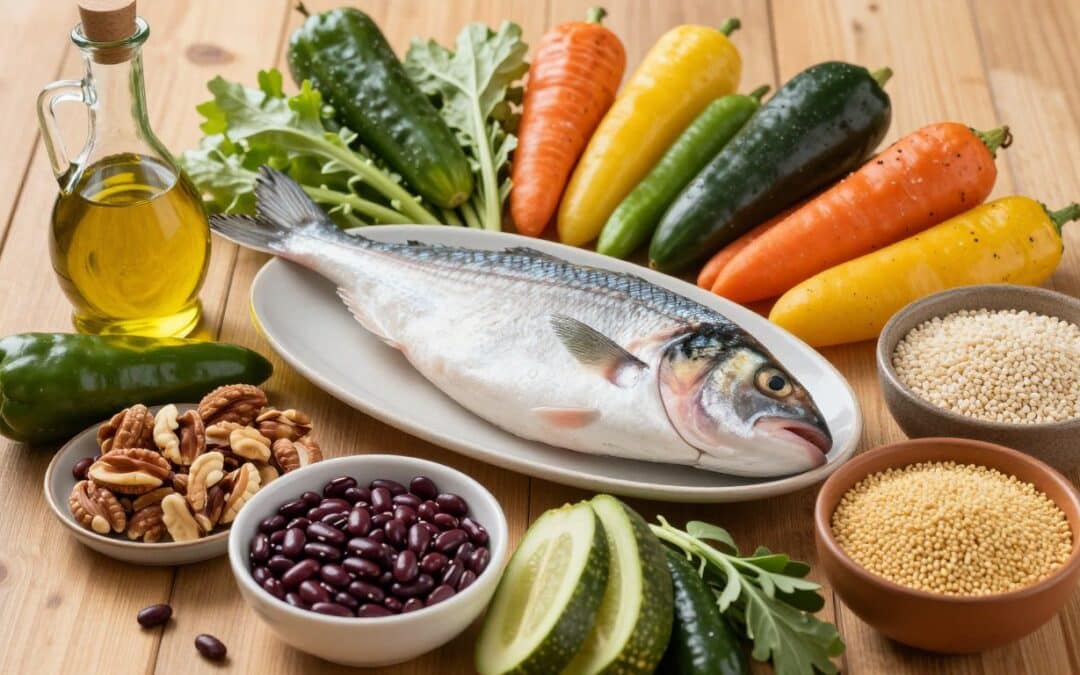
Understanding Insulin Resistance: Beyond Blood Sugar
Insulin resistance occurs when cells stop responding properly to insulin, preventing glucose from entering cells efficiently.
Insulin resistance isn’t simply a blood sugar problem-it’s a complex metabolic condition where your cells stop responding properly to insulin. This forces your pancreas to produce more insulin to maintain normal blood glucose levels, creating a vicious cycle that can eventually lead to prediabetes and Type 2 diabetes.
According to research published in the Journal of Clinical Investigation, the development of insulin resistance involves several interconnected factors:
- Chronic low-grade inflammation that interferes with insulin signaling
- Oxidative stress that damages cellular components
- Mitochondrial dysfunction that impairs energy metabolism
- Lipid accumulation in liver and muscle tissue
- Gut microbiome imbalances that affect metabolic pathways
A 2023 study from Harvard Medical School found that dietary approaches targeting these underlying mechanisms-not just blood sugar control-were significantly more effective at reversing insulin resistance and preventing its progression to diabetes.
How the Mediterranean Diet Targets the Root Causes of Insulin Resistance
The Mediterranean diet isn’t just another eating plan-it’s a scientifically validated approach that directly addresses the underlying causes of insulin resistance. A landmark study published in the New England Journal of Medicine demonstrated that participants following a Mediterranean diet had a 52% lower risk of developing type 2 diabetes compared to those on a low-fat diet.
Anti-Inflammatory Effects
The Mediterranean diet is rich in anti-inflammatory compounds that help restore normal insulin signaling:
- Omega-3 fatty acids from fatty fish reduce systemic inflammation and improve cell membrane function, enhancing insulin sensitivity
- Polyphenols from olive oil, fruits, and vegetables neutralize inflammatory compounds and protect cells from oxidative damage
- Fiber from whole grains and legumes reduces inflammatory markers and improves gut microbiome composition
Research from the American Diabetes Association confirms that these anti-inflammatory properties directly improve insulin sensitivity at the cellular level, addressing a key root cause of insulin resistance.
Antioxidant Protection
Oxidative stress plays a significant role in insulin resistance development. The Mediterranean diet provides powerful antioxidant protection through:
- Colorful vegetables and fruits rich in vitamins C, E, and carotenoids that neutralize free radicals
- Extra virgin olive oil containing oleocanthal and oleuropein that protect cellular components
- Herbs and spices with concentrated antioxidant compounds that reduce oxidative damage
A 2022 study in the Journal of Clinical Endocrinology & Metabolism found that these antioxidant compounds specifically protect pancreatic beta cells from damage, helping maintain healthy insulin production.
Ready to Transform Your Metabolic Health?
Discover how the Mediterranean diet can help reverse insulin resistance and improve your overall health with our comprehensive guide.
More on the Mediterranean Diet
Key Foods to Include in Your Insulin Resistance Diet
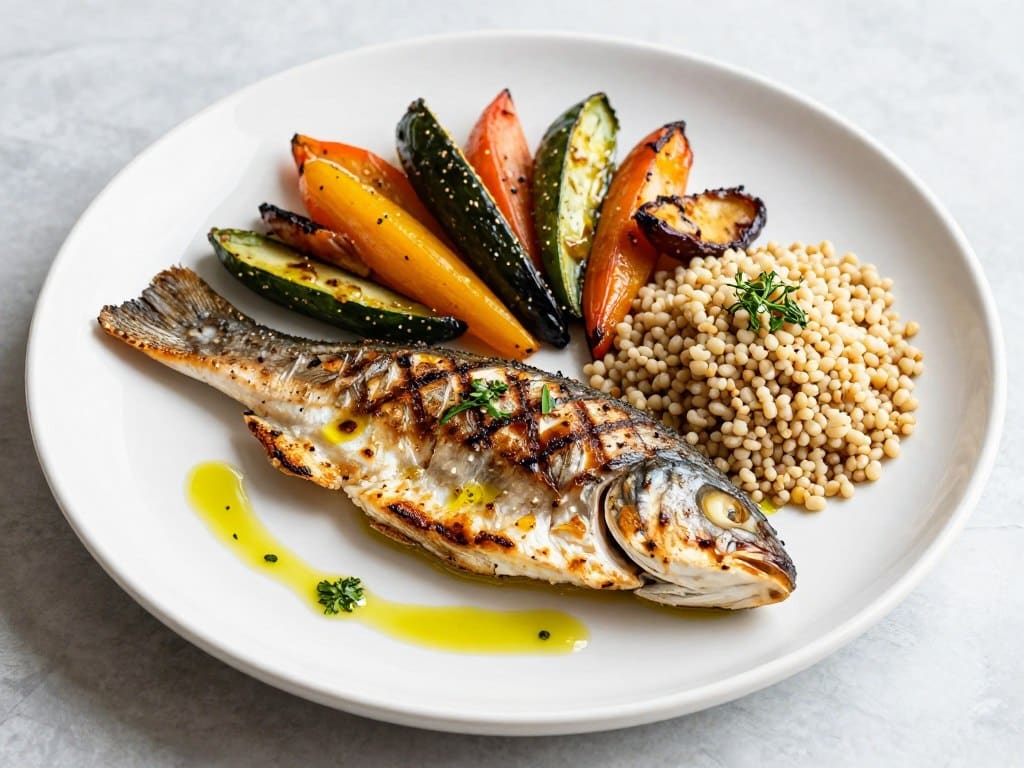
The most effective insulin resistance diet incorporates specific foods that target multiple aspects of metabolic health. Research from the National Institutes of Health highlights these key food categories:
1. Omega-3 Rich Fatty Fish

Fatty fish like salmon, mackerel, sardines, and herring are rich in omega-3 fatty acids that directly improve insulin sensitivity. A study in the American Journal of Clinical Nutrition found that consuming fatty fish twice weekly reduced insulin resistance markers by up to 22%.
These omega-3 fatty acids work by:
- Reducing inflammation in adipose tissue
- Improving cell membrane fluidity, which enhances insulin receptor function
- Activating PPAR-γ receptors that regulate glucose metabolism
2. Extra Virgin Olive Oil
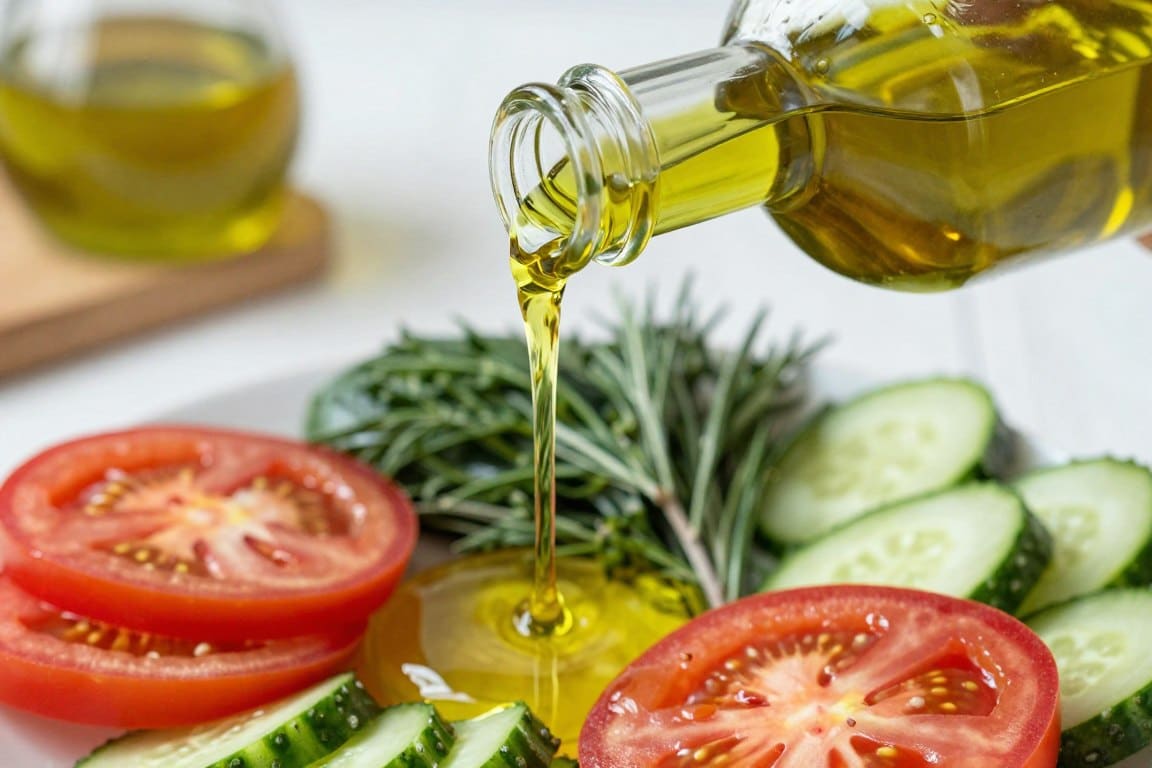
Extra virgin olive oil is a cornerstone of the Mediterranean diet and contains oleocanthal, a compound with potent anti-inflammatory effects comparable to ibuprofen. Research published in Diabetes Care shows that replacing other fats with olive oil can improve insulin sensitivity by up to 15%.
The benefits come from:
- Monounsaturated fats that improve cell membrane composition
- Polyphenols that reduce oxidative stress
- Oleic acid that helps regulate blood sugar
3. Fiber-Rich Legumes
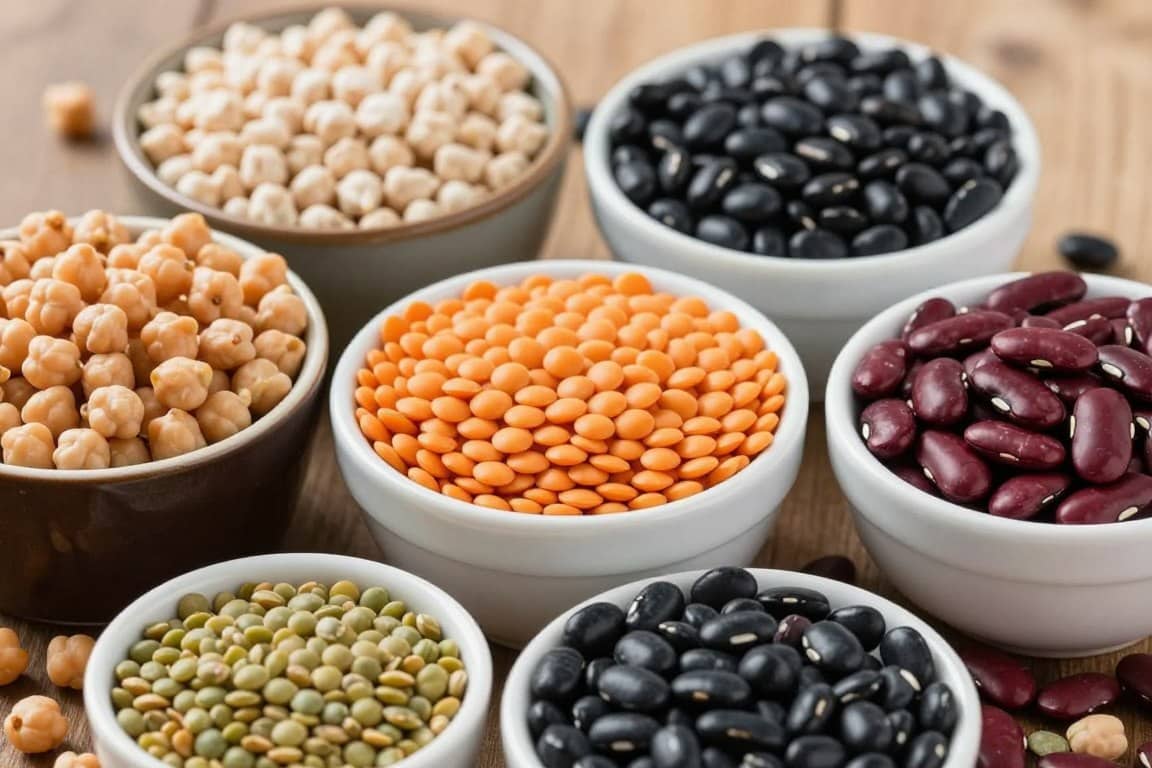
Beans, lentils, and chickpeas provide resistant starch and soluble fiber that stabilize blood sugar and improve insulin sensitivity. A meta-analysis in the American Journal of Clinical Nutrition found that regular legume consumption reduced fasting insulin levels by an average of 8%.
These benefits occur because legumes:
- Slow carbohydrate absorption, preventing blood sugar spikes
- Feed beneficial gut bacteria that produce short-chain fatty acids
- Provide magnesium, a mineral essential for glucose metabolism
4. Colorful Non-Starchy Vegetables
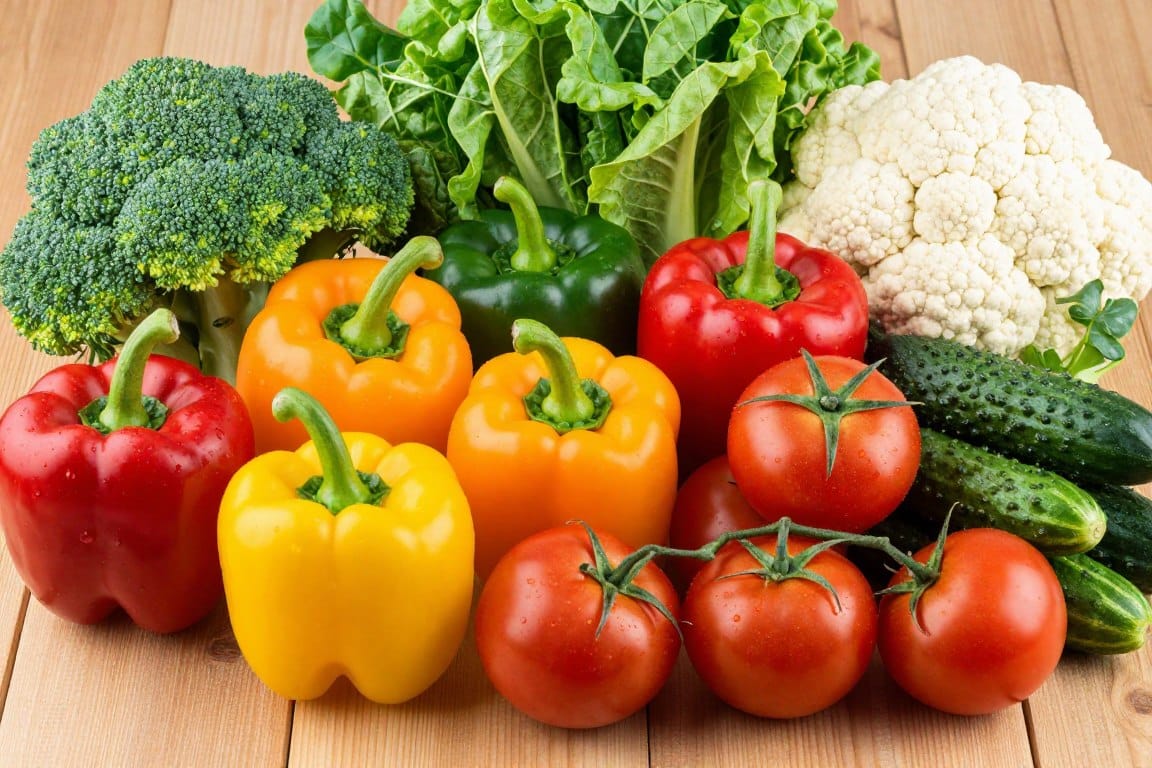
Non-starchy vegetables like leafy greens, bell peppers, broccoli, and tomatoes provide antioxidants, fiber, and phytonutrients that combat oxidative stress and inflammation. Harvard researchers found that each daily serving of non-starchy vegetables reduced diabetes risk by 7%.
These vegetables help by:
- Providing antioxidants that protect pancreatic beta cells
- Delivering fiber that slows glucose absorption
- Supplying magnesium and potassium that support glucose metabolism
5. Nuts and Seeds
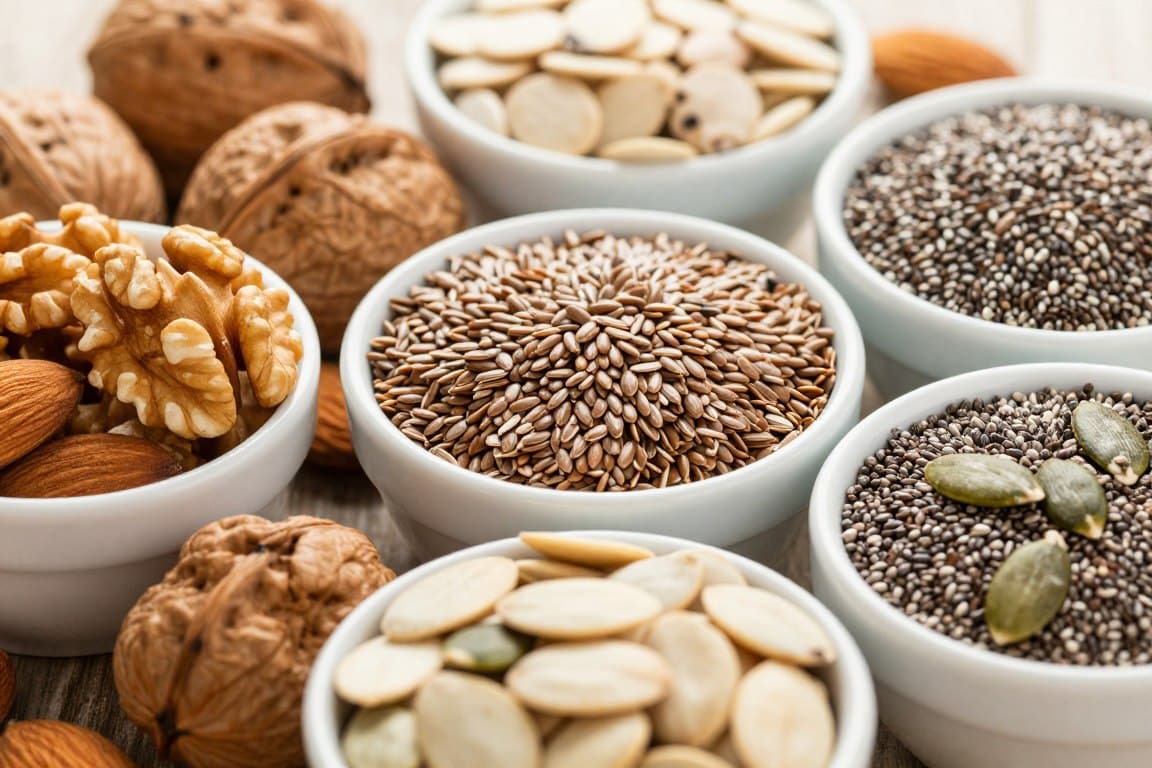
Walnuts, almonds, flaxseeds, and chia seeds provide healthy fats, fiber, and antioxidants that improve insulin sensitivity. A study in Diabetes Care found that consuming 2 ounces of nuts daily improved insulin sensitivity by 40% in people with prediabetes.
The benefits come from:
- Alpha-linolenic acid (ALA) that reduces inflammation
- Magnesium that supports over 300 enzymatic reactions involved in glucose metabolism
- Fiber that slows carbohydrate absorption
Foods to Limit on an Insulin Resistance Diet

While focusing on what to add to your diet is important, research from the American Diabetes Association also emphasizes limiting certain foods that can worsen insulin resistance:
1. Ultra-Processed Foods
A 2021 study in the BMJ found that each 10% increase in ultra-processed food consumption was associated with a 15% higher risk of developing type 2 diabetes. These foods contain:
- Artificial preservatives that may disrupt gut microbiome balance
- Refined oils high in inflammatory omega-6 fatty acids
- Hidden sugars that cause blood sugar spikes
2. Refined Carbohydrates
White bread, white rice, and low-fiber cereals cause rapid blood sugar spikes that worsen insulin resistance over time. Research from Stanford University shows that these foods can trigger insulin spikes up to 3 times higher than whole grain alternatives.
3. Sugar-Sweetened Beverages
Sodas, fruit juices, and sweetened coffee drinks deliver concentrated sugar without fiber or protein to slow absorption. Harvard researchers found that just one sugary drink daily increases diabetes risk by 18%.
4. Trans Fats and Excessive Saturated Fats
Industrial trans fats and high saturated fat intake promote inflammation and directly interfere with insulin signaling. The American Heart Association notes that replacing just 2% of calories from trans fats with unsaturated fats reduces diabetes risk by 40%.
Practical Meal Planning for Insulin Resistance
Translating nutrition science into practical meals is essential for success. Here’s how to structure your meals for optimal insulin sensitivity:
The Plate Method
The American Diabetes Association recommends the plate method for balanced meals:
- ½ plate: Non-starchy vegetables (leafy greens, broccoli, peppers, etc.)
- ¼ plate: Lean protein (fish, poultry, legumes, etc.)
- ¼ plate: Complex carbohydrates (whole grains, sweet potatoes, etc.)
- Add: 1-2 tablespoons of healthy fat (olive oil, avocado, nuts)
Meal Timing Strategies
Research from the University of Chicago shows that when you eat matters almost as much as what you eat:
- Regular meal timing: Eating at consistent times helps regulate insulin production
- Earlier eating window: Consuming most calories earlier in the day improves insulin sensitivity
- Adequate spacing: Allowing 3-5 hours between meals gives insulin levels time to normalize
Sample 3-Day Meal Plan
| Meal | Day 1 | Day 2 | Day 3 |
| Breakfast | Greek yogurt with berries, walnuts, and cinnamon | Vegetable omelet with avocado and whole grain toast | Overnight oats with chia seeds, almond butter, and apple |
| Lunch | Mediterranean salad with chickpeas, olive oil dressing, and small portion of quinoa | Lentil soup with leafy greens and a side of roasted vegetables | Grilled chicken over mixed greens with olive oil, lemon, and small sweet potato |
| Dinner | Baked salmon with roasted Brussels sprouts and small portion of wild rice | Turkey and vegetable stir-fry with small portion of brown rice | Mediterranean bean stew with leafy greens and small portion of farro |
| Snack | Apple slices with almond butter | Small handful of mixed nuts and berries | Carrot sticks with hummus |
Mediterranean-Style Recipe for Insulin Resistance
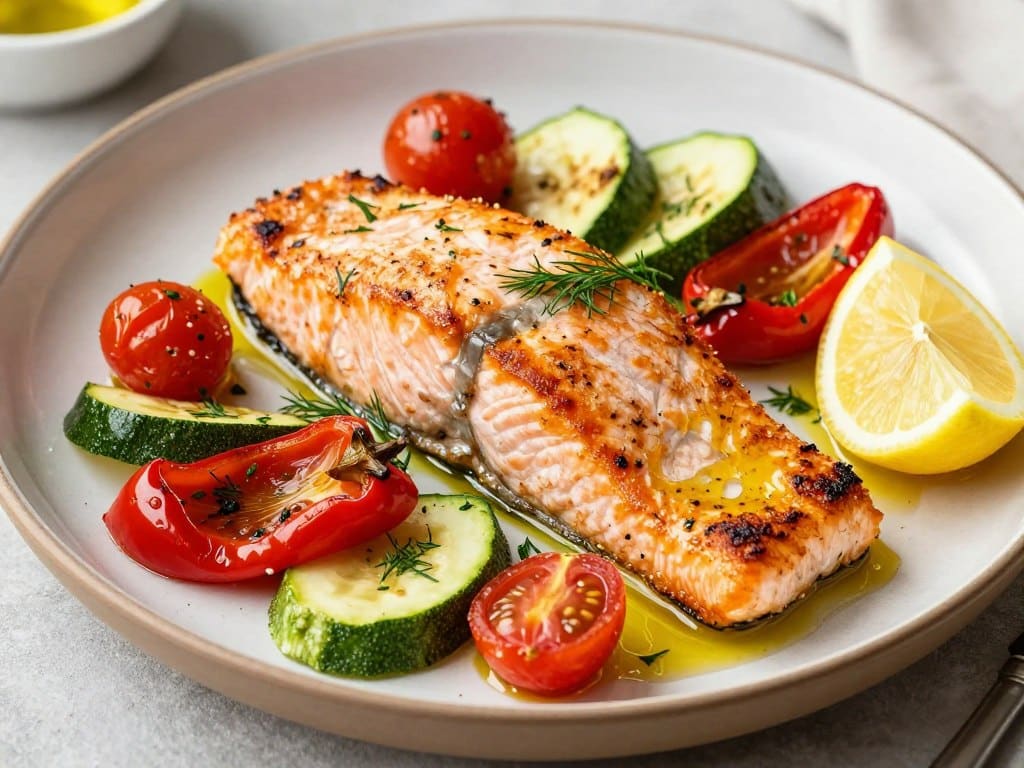
Mediterranean-Style Baked Salmon with Vegetables
This recipe combines multiple insulin-sensitizing ingredients: omega-3 rich salmon, antioxidant-packed vegetables, and anti-inflammatory olive oil and herbs.
Ingredients (Serves 2):
- 2 salmon fillets (4-6 oz each)
- 1 zucchini, sliced
- 1 bell pepper, sliced
- 1 cup cherry tomatoes, halved
- 1 small red onion, sliced
- 3 tablespoons extra virgin olive oil
- 2 cloves garlic, minced
- 1 lemon, sliced
- 2 tablespoons fresh herbs (dill, parsley, oregano)
- Salt and pepper to taste
Instructions:
- Preheat oven to 400°F (200°C).
- In a large bowl, toss vegetables with 2 tablespoons olive oil, garlic, salt, and pepper.
- Spread vegetables on a baking sheet and roast for 10 minutes.
- Place salmon fillets on top of the vegetables, drizzle with remaining olive oil, and top with lemon slices.
- Bake for 12-15 minutes until salmon is cooked through but still moist.
- Sprinkle with fresh herbs before serving.
Comfort Food Bonus Recipe: Mediterranean-Style Cauliflower “Risotto”
For a comforting dish that won’t spike blood sugar, try this cauliflower “risotto” with mushrooms and Parmesan. Simply pulse cauliflower in a food processor until rice-sized, then sauté with olive oil, garlic, and mushrooms. Add vegetable broth gradually as it cooks, finish with Parmesan cheese and fresh herbs. All the comfort without the blood sugar impact!
Beyond Diet: Lifestyle Factors That Impact Insulin Resistance

While diet is foundational, research from the National Institutes of Health shows that other lifestyle factors significantly impact insulin sensitivity:
Physical Activity
Exercise directly improves insulin sensitivity through multiple mechanisms:
- Muscle contraction stimulates glucose uptake independent of insulin
- Regular activity increases mitochondrial function and glucose metabolism
- Both aerobic and resistance training improve insulin sensitivity for up to 48 hours
The American Diabetes Association recommends at least 150 minutes of moderate activity weekly, plus resistance training 2-3 times per week.
Sleep Quality

Poor sleep directly impacts insulin sensitivity. A study in the Annals of Internal Medicine found that just one night of sleep deprivation reduced insulin sensitivity by 25%. Aim for:
- 7-9 hours of quality sleep nightly
- Consistent sleep and wake times
- A cool, dark sleeping environment
- Limiting screen time before bed
Stress Management
Chronic stress elevates cortisol, which directly interferes with insulin function. Research from Yale University shows that stress reduction techniques can improve insulin sensitivity by up to 10%. Effective approaches include:
- Mindfulness meditation
- Deep breathing exercises
- Regular time in nature
- Yoga or tai chi practice
Ready to Transform Your Metabolic Health?
The Mediterranean diet offers a science-backed approach to reversing insulin resistance by targeting its root causes. Learn more about implementing this powerful dietary approach.
Tracking Your Progress: Meaningful Markers of Improvement
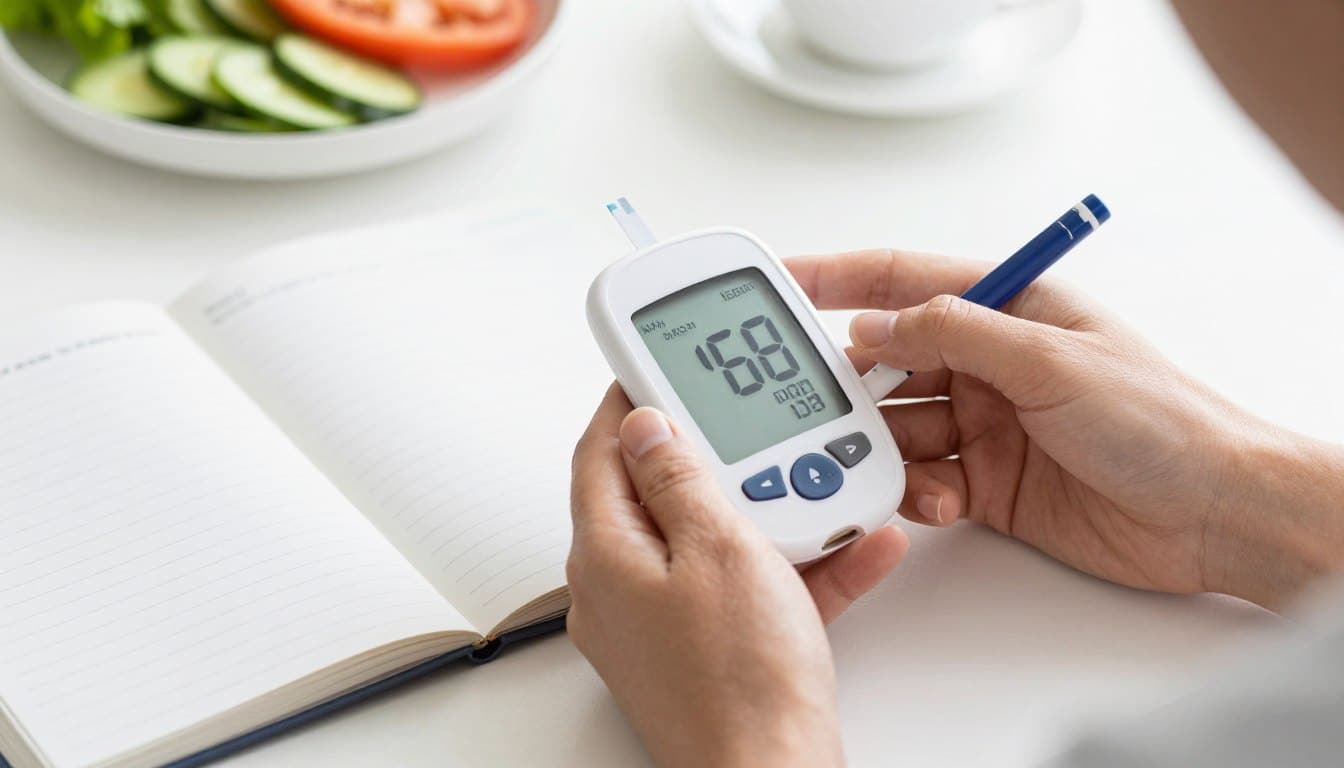
How do you know if your dietary changes are working? The American Diabetes Association recommends monitoring these markers:
Clinical Measurements
- Fasting insulin levels: A direct measure of insulin resistance
- HOMA-IR score: Calculated from fasting glucose and insulin
- A1C: Reflects average blood sugar over 3 months
- Triglyceride to HDL ratio: A strong indicator of insulin resistance
Work with your healthcare provider to monitor these values every 3-6 months.
Daily Observations
Beyond lab tests, pay attention to these daily indicators of improving insulin sensitivity:
- Stable energy levels throughout the day
- Reduced cravings for sugary foods
- Improved hunger regulation and satiety
- Better sleep quality and morning alertness
- Gradual, sustainable weight loss (if overweight)
Consider keeping a simple journal to track these subjective improvements, which often precede measurable lab changes.
Conclusion: A Sustainable Approach to Reversing Insulin Resistance

The most effective insulin resistance diet isn’t about quick fixes or extreme restrictions-it’s about addressing the root causes through sustainable dietary and lifestyle changes. The Mediterranean diet principles offer a scientifically validated framework that:
- Reduces chronic inflammation that interferes with insulin signaling
- Provides antioxidant protection against oxidative stress
- Supports healthy gut microbiome composition
- Improves cellular energy metabolism
- Delivers essential nutrients that support metabolic health
Remember that small, consistent changes often yield better long-term results than dramatic overhauls. Start by incorporating one or two Mediterranean principles into your current eating pattern, then gradually expand as these become habitual.
By focusing on nourishing your body with anti-inflammatory, antioxidant-rich foods rather than simply restricting carbohydrates, you address insulin resistance at its source - creating lasting improvements in your metabolic health and overall wellbeing.
Get well and stay well,
Ray Baker
