
Are you tired of fad diets that promise quick results but leave you feeling deprived and ultimately fail to deliver lasting health benefits? The search for a sustainable eating pattern that genuinely promotes longevity can feel overwhelming amid conflicting nutrition advice. Many of us struggle to find a balance between enjoying food and supporting our long-term health, especially as concerns about aging and chronic disease risk increase with each passing year.
The Mediterranean diet-consistently ranked as the gold standard for longevity-offers a compelling solution to this common dilemma. Unlike restrictive diet plans, this approach celebrates delicious, nutrient-dense foods while being backed by decades of research showing its effectiveness in extending lifespan and reducing age-related diseases. Studies from institutions like Harvard T.H. Chan School of Public Health have found that adherence to Mediterranean eating patterns can add years to your life while enhancing your overall quality of living.
What Is a Longevity Diet Plan?

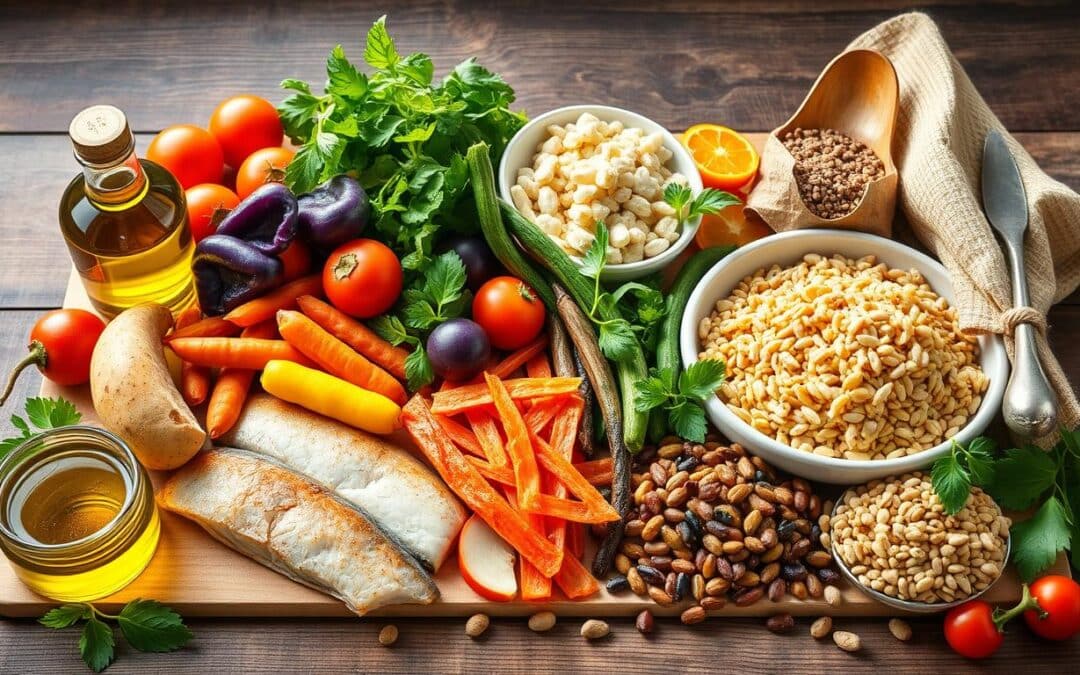
The Mediterranean diet features nutrient-dense foods that support longevity
A longevity diet plan is more than just a set of food restrictions-it’s a comprehensive approach to eating designed to extend both lifespan and healthspan (the period of life spent in good health). Unlike diets focused solely on weight loss, a true longevity diet addresses the biological mechanisms of aging, including inflammation, oxidative stress, and cellular repair processes.
The concept of eating for longevity isn’t new. Researchers have long studied the dietary patterns of the world’s longest-lived populations, including those in the Mediterranean region, Okinawa, Japan, and other “Blue Zones” where centenarians are remarkably common. What these diverse regions share are dietary patterns rich in plant foods, moderate in protein, and relatively low in processed ingredients.
According to Dr. Valter Longo, director of the Longevity Institute at the University of Southern California, “The ideal diet for longevity doesn’t just add years to your life-it adds life to your years by reducing the risk of age-related diseases and supporting optimal physical and cognitive function.” His research suggests that specific dietary interventions can influence the fundamental processes that drive aging.
The Mediterranean Diet: The Gold Standard for Longevity
Among various longevity-promoting eating patterns, the Mediterranean diet stands out for its robust scientific support and practical applicability. This dietary approach, traditional to countries bordering the Mediterranean Sea, has been extensively studied for its remarkable health benefits.
The landmark PREDIMED study, published in the New England Journal of Medicine, demonstrated that participants following a Mediterranean diet supplemented with extra-virgin olive oil or nuts experienced a 30% reduction in major cardiovascular events compared to those on a low-fat diet. This finding is particularly significant as cardiovascular disease remains a leading cause of mortality worldwide.

The Mediterranean diet is associated with increased longevity and quality of life in older adults
What makes the Mediterranean diet particularly effective as a longevity diet plan is its balanced approach. Rather than eliminating entire food groups, it emphasizes:
- Abundant plant foods (fruits, vegetables, legumes, nuts, and whole grains)
- Olive oil as the primary source of dietary fat
- Moderate consumption of fish and seafood
- Limited intake of dairy, eggs, and poultry
- Minimal consumption of red meat and sweets
- Moderate wine consumption, typically with meals
Research published in the British Medical Journal found that greater adherence to the Mediterranean diet was associated with a 25% reduction in all-cause mortality. The diet’s anti-inflammatory and antioxidant properties appear to play crucial roles in this protective effect, helping to prevent or delay the onset of chronic diseases that typically reduce lifespan.
Key Components of an Effective Longevity Diet Plan
Prioritizing Plant-Based Foods
The foundation of any longevity diet plan should be plant-based foods. A study published in JAMA Internal Medicine found that adults who consumed more plant protein had a lower risk of death from all causes, including a 12% lower risk of death from heart disease specifically.

Plant-based foods provide essential nutrients and phytochemicals that support longevity
Key plant foods to include in your longevity diet plan:
- Leafy greens: Rich in folate, vitamins, and carotenoids that protect DNA from damage
- Cruciferous vegetables: Contain sulforaphane and other compounds that activate detoxification pathways
- Berries: High in antioxidants that combat oxidative stress and support brain health
- Legumes: Provide plant protein and fiber while supporting gut health and metabolic function
- Whole grains: Deliver complex carbohydrates, fiber, and essential nutrients that regulate blood sugar
The Harvard T.H. Chan School of Public Health recommends filling at least half your plate with vegetables and fruits, a quarter with whole grains, and the remaining quarter with healthy protein sources-a simple visual guide that aligns perfectly with longevity diet principles.
Healthy Fats as a Cornerstone
Contrary to outdated nutrition advice that demonized all fats, we now know that certain fats are essential for longevity. The type of fat consumed matters significantly more than the total amount.
Olive oil, a staple of the Mediterranean diet, deserves special attention. A study in the New England Journal of Medicine found that participants who consumed more than four tablespoons of olive oil daily had a 30% lower risk of cardiovascular disease compared to those who consumed less.

Extra virgin olive oil contains polyphenols and monounsaturated fats that protect heart health
Other healthy fat sources to include in your longevity diet plan:
- Nuts and seeds: Associated with a 20% reduction in all-cause mortality according to a large-scale analysis published in BMC Medicine
- Avocados: Rich in monounsaturated fats and potassium that support heart health
- Fatty fish: Provide omega-3 fatty acids that reduce inflammation and support brain function
The American Heart Association recommends replacing saturated fats (found in butter, cheese, and red meat) with unsaturated fats from these sources to reduce cardiovascular risk and promote longevity.
Quality Protein in Moderation
Protein is essential for maintaining muscle mass and supporting immune function, especially as we age. However, research suggests that excessive protein intake, particularly from animal sources, may accelerate aging processes.
Dr. Valter Longo’s research indicates that moderate protein consumption (0.31-0.36 grams per pound of body weight) is optimal for most adults under 65, while slightly higher amounts may benefit older adults to prevent sarcopenia (age-related muscle loss).

Balanced protein sources from plant and seafood support muscle maintenance without promoting aging
Optimal protein sources for a longevity diet plan:
- Legumes: Provide plant protein along with fiber and resistant starch
- Fish and seafood: Deliver high-quality protein plus omega-3 fatty acids
- Nuts and seeds: Contain protein along with healthy fats and micronutrients
- Moderate amounts of poultry and eggs: Offer complete protein with less impact than red meat
Research published in Cell Metabolism suggests that cycling protein intake-alternating between lower and higher consumption-may provide the benefits of protein restriction while preventing muscle loss, an approach worth considering in your longevity diet plan.
Ready to Transform Your Health with the Mediterranean Diet?
Discover the complete guide to Mediterranean eating, including meal plans, shopping lists, and authentic recipes that make this longevity diet plan easy to follow. Start your journey to better health today!
Science-Backed Benefits of a Longevity Diet Plan
Reducing Inflammation and Oxidative Stress
Chronic inflammation and oxidative stress are key drivers of aging and age-related diseases. A properly structured longevity diet plan directly addresses these processes through foods rich in anti-inflammatory compounds and antioxidants.
Research published in Oxidative Medicine and Cellular Longevity demonstrates that the polyphenols found in olive oil, berries, and other plant foods can activate the body’s endogenous antioxidant systems, providing protection that goes beyond the antioxidant content of the foods themselves.

Antioxidant-rich foods combat oxidative stress and reduce inflammation
A 2018 study in the British Journal of Nutrition found that participants following a Mediterranean diet showed significant reductions in inflammatory markers, including C-reactive protein (CRP) and interleukin-6 (IL-6), compared to those following a Western diet pattern.
Supporting Heart Health and Circulation
Cardiovascular disease remains the leading cause of death globally, making heart health a critical component of any longevity strategy. The Mediterranean diet has shown remarkable benefits for cardiovascular health in numerous studies.
The Lyon Diet Heart Study found that participants following a Mediterranean diet had a 50-70% lower risk of recurrent heart disease compared to those following the standard post-heart attack diet recommended at the time. This dramatic reduction highlights the powerful protective effect of this eating pattern.

Heart-healthy foods in the longevity diet plan support cardiovascular function
Key mechanisms by which a longevity diet plan supports heart health include:
- Improving lipid profiles (increasing HDL cholesterol while reducing LDL and triglycerides)
- Lowering blood pressure through adequate potassium and reduced sodium
- Enhancing endothelial function for better arterial health
- Reducing platelet aggregation to prevent dangerous blood clots
- Moderating inflammation in arterial walls
Improving Cognitive Function and Brain Health
Cognitive decline is a major concern as we age, but research suggests that dietary choices can significantly impact brain health and function. The MIND diet (Mediterranean-DASH Intervention for Neurodegenerative Delay), which incorporates elements of the Mediterranean diet with specific brain-healthy foods, has shown promising results.
A study published in Alzheimer’s & Dementia found that high adherence to the MIND diet was associated with a 53% reduced rate of Alzheimer’s disease. Even moderate adherence resulted in a 35% reduction, suggesting that even imperfect implementation offers substantial benefits.

Foods rich in omega-3 fatty acids and antioxidants support cognitive function
Brain-supporting components of a longevity diet plan include:
- Omega-3 fatty acids: Found in fatty fish, these support neuron structure and function
- Flavonoids: Present in berries and dark chocolate, these compounds protect neurons from oxidative damage
- Vitamin E: Found in nuts and seeds, this antioxidant protects brain cell membranes
- B vitamins: Present in whole grains and legumes, these support neurotransmitter production
Modulating the Gut Microbiome
Emerging research highlights the crucial role of gut health in longevity. The trillions of microorganisms in our digestive tract influence everything from immune function to brain health and metabolic processes.
A study published in Gut found that adherence to the Mediterranean diet was associated with increased microbial diversity and the production of beneficial short-chain fatty acids, which reduce inflammation and support gut barrier function.

Fermented and fiber-rich foods support a healthy gut microbiome
To support gut health in your longevity diet plan, include:
- Fermented foods: Yogurt, kefir, and traditional fermented vegetables provide beneficial probiotics
- Prebiotic fibers: Found in garlic, onions, leeks, and asparagus, these feed beneficial gut bacteria
- Diverse plant foods: Aim for 30+ different plant foods weekly to support microbial diversity
- Polyphenol-rich foods: Berries, olive oil, and green tea provide compounds that beneficial bacteria can transform into active metabolites
How to Implement Your Longevity Diet Plan
Transitioning to a longevity diet plan doesn’t have to be overwhelming. The following step-by-step approach can help you make sustainable changes that support long-term health and vitality.
Start with Small, Sustainable Changes
Rather than overhauling your entire diet overnight, focus on gradual improvements that you can maintain long-term. Research published in the British Journal of General Practice suggests that small, consistent changes are more likely to become permanent habits than dramatic shifts.

Starting with simple Mediterranean-inspired meals makes the transition easier
Consider these beginner-friendly steps:
- Replace butter with olive oil for cooking and dressing
- Add an extra serving of vegetables to your daily meals
- Substitute fish for red meat in at least two meals per week
- Incorporate a handful of nuts as a daily snack
- Choose whole grains instead of refined options
Focus on Meal Patterns and Timing
Beyond what you eat, when you eat matters for longevity. Time-restricted eating, which limits food consumption to a specific window each day, has shown promising results in longevity research.
A study published in Cell Metabolism found that limiting daily eating to a 10-12 hour window improved metabolic health markers even without changing the foods consumed. This approach, often called “early time-restricted feeding,” aligns with our natural circadian rhythms.

Time-restricted eating can enhance the benefits of a longevity diet plan
Consider these timing strategies:
- Aim to consume all meals within a 10-12 hour window (e.g., 8am to 6pm or 9am to 7pm)
- Make breakfast and lunch your largest meals of the day
- Allow at least 3 hours between your last meal and bedtime
- Stay hydrated with water throughout the day, including during fasting periods
Create a Supportive Environment
Your food environment significantly influences your eating habits. Research published in the Annual Review of Nutrition shows that making healthy options more visible and accessible increases their consumption.

A well-stocked kitchen with Mediterranean staples makes healthy choices easier
To create an environment that supports your longevity diet plan:
- Stock your pantry with Mediterranean staples like olive oil, nuts, legumes, and whole grains
- Keep fresh fruits and vegetables visible and easily accessible
- Prepare batch-cooked grains and legumes to simplify meal assembly
- Remove or minimize processed foods, sugary snacks, and refined grains
- Invest in basic tools that make Mediterranean cooking easier (e.g., a quality olive oil dispenser, herb scissors)
Embrace Social Eating
The social aspect of eating is a critical but often overlooked component of the Mediterranean approach to longevity. Research published in the Proceedings of the National Academy of Sciences suggests that social connection during meals may contribute to the health benefits observed in Mediterranean populations.

Sharing meals with others enhances the social dimension of the Mediterranean diet
To incorporate this dimension into your longevity diet plan:
- Prioritize family meals whenever possible
- Host regular gatherings centered around healthy, Mediterranean-inspired foods
- Cook with friends or family to share the preparation experience
- Take time to savor and appreciate your food rather than eating quickly or while distracted
Mediterranean Comfort Food Recipe: Simple Lentil Soup
As a gift to help you begin your longevity diet journey, here’s a simple, comforting Mediterranean lentil soup recipe that embodies the principles we’ve discussed.

This hearty lentil soup combines protein, fiber, and anti-inflammatory ingredients
Ingredients:
- 1 cup dried green or brown lentils, rinsed
- 2 tablespoons extra virgin olive oil, plus more for serving
- 1 large onion, diced
- 2 carrots, diced
- 2 celery stalks, diced
- 3 garlic cloves, minced
- 1 teaspoon ground cumin
- 1/2 teaspoon ground coriander
- 1 bay leaf
- 1 can (14.5 oz) diced tomatoes
- 6 cups vegetable or chicken broth (low sodium)
- 2 cups fresh spinach or kale, chopped
- Juice of 1 lemon
- 1/4 cup fresh parsley, chopped
- Salt and pepper to taste
Instructions:
- Heat olive oil in a large pot over medium heat. Add onion, carrots, and celery, cooking until softened (about 5 minutes).
- Add garlic, cumin, and coriander, stirring for 30 seconds until fragrant.
- Add lentils, diced tomatoes, bay leaf, and broth. Bring to a boil, then reduce heat and simmer, partially covered, for 25-30 minutes until lentils are tender.
- Stir in spinach or kale and cook until wilted, about 2 minutes.
- Remove from heat and stir in lemon juice and parsley. Season with salt and pepper to taste.
- Serve in bowls with a drizzle of extra virgin olive oil on top.
This soup is rich in plant protein, fiber, and anti-inflammatory compounds. It stores well in the refrigerator for up to 4 days and actually improves in flavor over time, making it perfect for batch cooking. Enjoy it with a slice of whole grain bread for a complete Mediterranean meal.
Addressing Common Challenges and FAQs
Is the Mediterranean diet expensive to follow?
While some Mediterranean staples like olive oil and fresh fish can be pricier, many core components are quite economical. Legumes, seasonal vegetables, and whole grains are typically budget-friendly. To manage costs:
- Buy dried beans and legumes instead of canned versions
- Purchase seasonal produce when it’s most affordable
- Use frozen fruits and vegetables when fresh options are expensive
- Buy olive oil in larger quantities when on sale
- Incorporate less expensive protein sources like eggs and canned sardines
How can I follow a longevity diet plan if my family won’t eat the same foods?
This is a common challenge. Consider these strategies:
- Focus on “base meals” that can be customized (e.g., grain bowls where family members add their preferred toppings)
- Gradually introduce Mediterranean flavors through familiar dishes
- Involve family members in meal planning and preparation to increase buy-in
- Keep some components separate (e.g., serve pasta with olive oil and vegetables for you, and with a different sauce for others)
- Remember that even partial implementation offers benefits
How long before I see benefits from a longevity diet plan?
Some benefits begin almost immediately, while others develop over time:
- Short-term (days to weeks): Improved digestion, more stable energy levels, better sleep quality
- Medium-term (weeks to months): Reduced inflammation markers, improved lipid profiles, better glucose regulation
- Long-term (months to years): Reduced disease risk, improved cognitive function, enhanced overall longevity
A study in the American Journal of Clinical Nutrition found that inflammatory markers began to decrease within just three weeks of adopting a Mediterranean diet pattern.
Can I follow a longevity diet plan if I have dietary restrictions?
Yes, the Mediterranean diet is highly adaptable:
- Gluten-free: Focus on naturally gluten-free grains like rice, quinoa, and buckwheat
- Dairy-free: Use olive oil instead of butter and explore plant-based yogurt alternatives
- Vegetarian/vegan: Emphasize legumes, nuts, and seeds for protein; consider algae-based omega-3 supplements
- Low-FODMAP: Adapt with low-FODMAP fruits, vegetables, and gluten-free grains while maintaining the overall pattern
Work with a registered dietitian to create a personalized approach that accommodates your specific needs while maintaining the core principles of the longevity diet.
Embracing the Longevity Diet Plan for a Vibrant Future
The journey toward longevity isn’t about deprivation or complicated regimens-it’s about embracing a sustainable, enjoyable way of eating that nourishes your body and supports healthy aging. The Mediterranean diet offers a time-tested, scientifically validated blueprint for this approach.
By gradually incorporating the principles we’ve discussed-prioritizing plant foods, choosing healthy fats, moderating protein intake, and embracing the social aspects of eating-you can transform your relationship with food while potentially adding years to your life and life to your years.
Remember that perfection isn’t required. Research consistently shows that even moderate adherence to Mediterranean diet principles offers significant benefits. Each positive choice you make contributes to your long-term health and vitality.
Ready to Fully Embrace the Mediterranean Longevity Diet?
Take the next step in your journey toward optimal health and longevity with expert guidance, delicious recipes, and practical tips.
Get well and stay well,
Ray Baker
