

Small, steady changes can make a big difference to long-term wellness. Many people found that early decline in organ function went unnoticed, so taking action early mattered.
Managing blood pressure and tracking blood sugar levels were two of the clearest ways to protect delicate blood vessels. Harvard Health Publishing noted that even minor drops in function could be temporary, but prevention helped avoid lasting disease.
Simple steps like cutting salt, drinking more water, and watching weight and alcohol intake were easy to start. Working with a doctor made it easier to pick the right diet, exercise plan, and daily tips to lower risk of stones and other problems.
Over time, small habits add up. This guide will walk through practical ways to keep your kidneys and body working well, with clear steps you can try today.
Understanding Kidney Health Habits After 50
Early testing can reveal silent changes in waste filtering long before symptoms appear. Regular checks give a clearer view of renal status and guide simple steps that protect function.
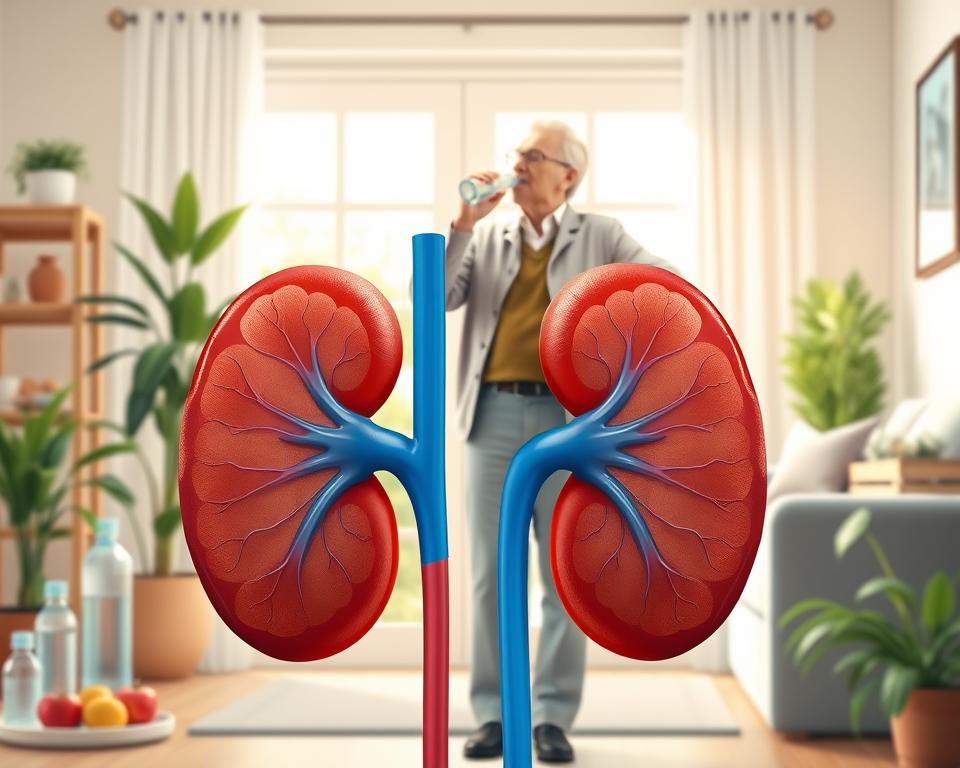
The Role of Creatinine and Early Detection
Creatinine is a waste product from muscle. Rising blood levels mean the kidneys are filtering less effectively. Doctors use this value, along with the glomerular filtration rate, to measure overall kidney function.
“Blood creatinine levels help clinicians judge how well waste is removed and when to act.”
Identifying Risk Factors
Chronic kidney disease often progresses quietly. Early detection is vital because symptoms can show up only after damage is advanced.
- Ask your doctor about urine albumin and GFR results to spot early problems.
- Managing diabetes and high blood pressure is the most effective prevention.
- Family history of renal failure raises your risk and calls for closer care.
Takeaway: Regular testing, control of blood pressure, and prompt treatment of conditions reduce long‑term damage and preserve function.
Lifestyle Adjustments for Long-Term Renal Wellness
A few consistent tweaks in your routine can reduce strain on filtering systems over time.

Nutritional Choices for Kidney Support
Limit sodium to under 2,300 mg per day to help manage blood pressure and fluid balance. Choose fresh fruits and vegetables and reduce processed foods.
Hydration and Fluid Balance
Aiming for about 15 cups of fluid a day, including watery foods, helps flush waste and lowers the chance of stones.
Physical Activity and Weight Management
Try 30 minutes of moderate exercise most days to keep a healthy weight and keep blood vessels flexible.
- Use the NIH Body Weight Planner if you need a tailored plan.
- Be cautious with OTC drugs like ibuprofen and naproxen; high doses can harm filters over time.
- Quit smoking and limit alcohol to lower chronic kidney disease risk.
| Focus | Practical Goal | Why it matters |
|---|---|---|
| Salt intake | <2,300 mg/day | Helps control blood pressure and fluid retention |
| Fluids | ~15 cups/day | Flushes toxins and reduces stone risk |
| Exercise & weight | 30 min most days | Supports healthy weight and vessel flexibility |
Managing Underlying Conditions and Medical Care
Daily tracking and prompt treatment of common conditions can stop silent decline before it becomes serious.
Monitoring blood pressure and blood sugar lets you catch changes quickly. For most people with diabetes, the goal is below 140/90 mm Hg to protect the organs from excess pressure.
Check readings daily when advised. Your doctor may start ACE inhibitors or ARBs to slow progression of kidney disease and protect small blood vessels.
Simple steps your care team may recommend
- Track blood pressure and blood sugar at home and record levels each day.
- Avoid regular use of NSAIDs; follow dosing directions for OTC drugs like ibuprofen to limit long-term damage.
- If you smoke, call 1-800-QUITNOW for support that benefits blood vessels and overall function.
“Consistent testing of urine and blood is the best way to manage conditions that threaten long‑term function.”
Want the full step-by-step guide, meal plans and recipes?Get the eBook for $27
| Action | Target | Why it matters |
|---|---|---|
| Blood pressure control | <140/90 mm Hg (for diabetes) | Reduces pressure-related damage to tiny vessels |
| Medication | ACE inhibitor or ARB as prescribed | Slows progression of kidney disease and protects vessels |
| Regular testing | Urine and blood checks per doctor schedule | Detects early changes and guides treatment |
For deeper guidance, see this clinical review on preventing progression.
Conclusion
Consistent, modest steps often prevent minor declines from becoming serious problems. Focus on a balanced diet with plenty of vegetables, limit salt and alcohol, and keep water intake steady to support overall function.
Regular movement and maintaining a healthy weight help circulation and reduce strain on small vessels. Track blood values when your doctor recommends testing, and ask about medications that protect filtering function.
Early detection matters. Review age‑related decline data in this age-related decline study to understand risks and timing.
Take small steps today. They add up over time and make it more likely you will avoid future problems.
Get well and stay well,
Ray Baker.
