
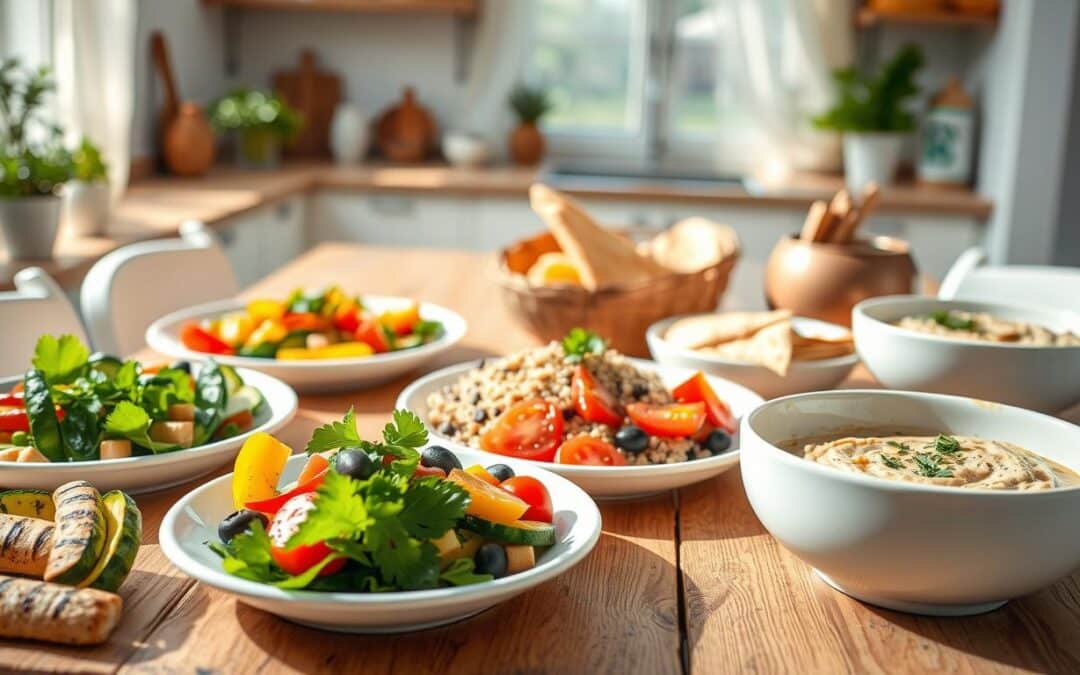
Do you ever hit a wall at 3 PM and grab a sugary snack? You’re not alone. Many over 50 struggle with this fatigue, often due to insulin resistance.
It feels like your body is playing a trick on you. But, there’s a better way. Low glycemic Mediterranean meals can help you feel steady without feeling like you’re eating rabbit food. Changing your habits might not be fun, but it’s worth it.
By eating whole, nutrient-rich foods, you can stop feeling tired. These low glycemic Mediterranean meals give your body the fuel it needs. Ready to feel like yourself again? Click the button below to start your journey toward better metabolic health today.
Start Your Journey Now
Key Takeaways
- Insulin resistance often causes the mid-afternoon energy crashes many adults experience.
- Switching to nutrient-dense food choices helps your cells process energy more efficiently.
- The Mediterranean approach offers a sustainable way to manage blood sugar levels.
- Small, consistent dietary changes lead to long-term improvements in daily vitality.
- You can enjoy flavorful, satisfying food while supporting your metabolic health.
Why Your Energy Levels Are Crashing and How Food Fixes It
Your daily energy crashes might be because of how your body handles food. When your cells don’t respond well to insulin, your pancreas works hard. This can make you feel tired after eating a big meal.
Choosing a blood sugar friendly Mediterranean diet can help. It uses foods that give you energy all day. This way, you focus on good food, not just counting calories.
The Quick Answer to Stable Blood Sugar
To avoid energy drops, pick foods that digest slowly. Foods high in fiber, healthy fats, and lean proteins help. They stop the quick glucose spikes that cause insulin resistance. Eating stable blood sugar meals keeps your energy steady, not sudden.
| Food Category | Impact on Glucose | Energy Result |
|---|---|---|
| Refined Grains | Rapid Spike | Quick Crash |
| Leafy Greens | Slow Release | Sustained Focus |
| Healthy Fats | Minimal Impact | Steady Vitality |
Three Key Takeaways for Your Daily Routine
Start managing your glucose levels today with these easy steps. These habits make it simple to follow a blood sugar friendly Mediterranean diet even when you’re busy.
- Prioritize fiber: Start your meals with veggies to slow down sugar absorption.
- Pair your nutrients: Always eat carbs with healthy fats or proteins for stable blood sugar meals.
- Stay consistent: Eat at the same times each day to help your body adjust.
The Science Behind Low Glycemic Mediterranean Meals
Why do certain foods affect us so much after 50? Our metabolism changes, making us more sensitive to carbs. It’s key to pick the right foods for steady energy all day.
Understanding the Glycemic Index After 50
The Glycemic Index (GI) shows how fast food raises blood sugar. Choosing low GI meals after 50 means picking foods that digest slowly. This helps avoid energy crashes.
Fiber is a big help. It slows down sugar absorption. Eating more legumes, whole grains, and veggies helps manage insulin better.
- Focus on whole, unprocessed ingredients.
- Pair carbohydrates with healthy fats or proteins.
- Prioritize high-fiber vegetables at every meal.
Why the Mediterranean Approach Works for Blood Sugar
A blood sugar friendly Mediterranean diet is more than just fiber. It’s full of antioxidants and polyphenols. These fight oxidative stress and reduce inflammation, helping with glucose processing.
By eating low glycemic Mediterranean meals, you give your body what it needs. The mix of extra virgin olive oil, leafy greens, and lean proteins fights metabolic fatigue.
| Nutrient Source | Primary Benefit | Impact on Glucose |
|---|---|---|
| Extra Virgin Olive Oil | Anti-inflammatory | Improves insulin sensitivity |
| Leafy Greens | High Fiber | Slows sugar absorption |
| Legumes | Complex Carbs | Provides sustained energy |
Research supports this approach, showing the importance of what we eat. It connects science to our daily lives, helping us take charge of our health.
Fueling Your Brain and Mood Through Nutrition
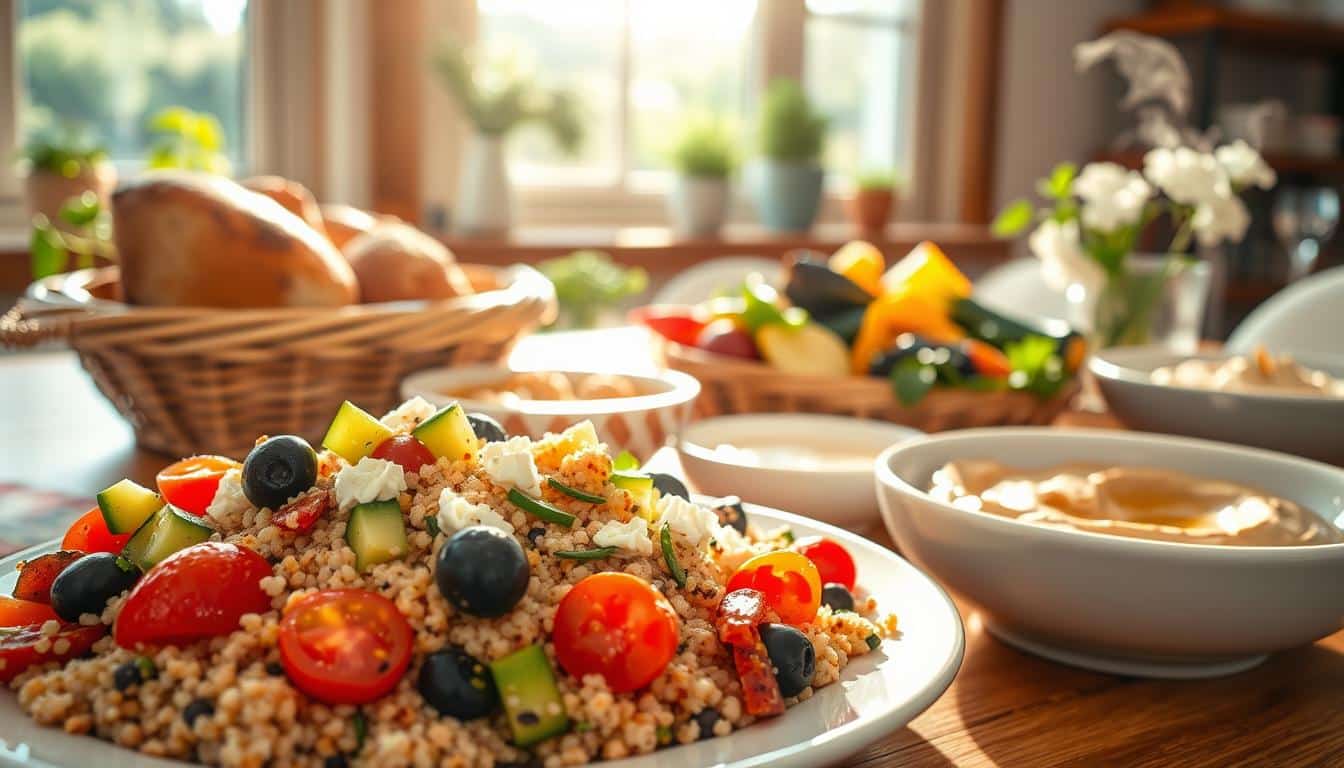
Nutrition does more than just fuel your muscles. It’s key for your brain health and mood. Choosing low GI meals after 50 gives your brain steady energy. This helps you avoid feeling tired and cranky.
Essential Vitamins for Cognitive Clarity
Chronic inflammation can make you feel slow and foggy. Eating Mediterranean foods helps fight this. These foods are full of vitamins that keep your brain sharp.
Whole grains, healthy fats, and colorful veggies are good for your brain. They give you antioxidants for clear thinking. You can find many foods that keep you full longer to help your metabolism.
How Stable Glucose Impacts Your Daily Mood
Your mood is linked to your blood sugar levels. Eating stable blood sugar meals stops mood swings. This keeps you feeling steady and strong all day.
Eating well is more than just watching your weight. It’s about feeling alive and focused. Small diet changes can make a big difference in your life.
Practical Tips for Building Your Mediterranean Kitchen

Changing your kitchen to focus on health is easy. You don’t need a big change. Just make small tweaks to help you eat stable blood sugar meals every day. Choose foods that give you energy without making you tired later.
Smart Grocery Shopping for Blood Sugar Control
When you go shopping, pick foods that keep your blood sugar steady. Choose complex carbs over simple ones for lasting energy. Whole grains like steel-cut oats or quinoa are key for a healthy diet.
Check labels to avoid hidden sugars. Fill your cart with fresh veggies, lean meats, and healthy fats. These changes help you cook healthy meals at home without feeling left out.
Essential Pantry Staples You Need Today
A good pantry keeps you away from bad snacks. Keep these items ready for quick, healthy meals:
- Legumes: Chickpeas, lentils, and black beans are full of fiber.
- Healthy Fats: Use extra virgin olive oil and raw nuts for feeling full.
- Whole Grains: Store quinoa, farro, and steel-cut oats in airtight containers.
- Flavor Boosters: Dried herbs, garlic, and vinegars add flavor without sugar.
Downloadable Grocery List for Your Next Trip
Use this list to shop for the right foods. It helps you stay on track with stable blood sugar meals all week.
| Category | Top Picks | Benefit |
|---|---|---|
| Grains | Quinoa, Oats | High Fiber |
| Proteins | Lentils, Chickpeas | Plant-based |
| Fats | Olive Oil, Walnuts | Heart Health |
With these staples, you follow a blood sugar friendly Mediterranean diet that’s easy and tasty. You’re set to make better choices in your kitchen.
Simple Recipes and Your 7-Day Meal Plan
Starting low glycemic Mediterranean meals is great for your body after 50. You get to eat whole foods that taste good and keep your blood sugar stable. This makes eating every day easy and fun.
Breakfast Ideas to Start Your Day Right
Starting with a good breakfast is key. Look for foods with fiber and healthy fats to keep you going. Try steel-cut oats with walnuts and blueberries for a tasty, healthy start.
If you like something savory, try a veggie omelet with spinach and feta. It gives your brain the energy it needs. Eating low GI meals after 50 helps you feel full until lunchtime.
Lunch and Dinner Recipes for Sustained Energy
For lunch and dinner, choose lean proteins and colorful veggies. Grilled salmon with spinach and garlic is a great dinner choice. It’s full of good fats and minerals.
For lunch, try a Mediterranean quinoa salad with chickpeas and cucumbers. These recipes keep your energy up and your mood good. Sticking to this plan is key to success.
The 7-Day Mediterranean Meal Plan
Follow this simple plan to keep your diet on track all week. Each day brings new flavors and nutrients to keep you healthy.
| Day | Breakfast | Lunch | Dinner |
|---|---|---|---|
| Monday | Steel-cut oats | Quinoa salad | Grilled salmon |
| Tuesday | Greek yogurt | Lentil soup | Roasted chicken |
| Wednesday | Veggie omelet | Chickpea bowl | Baked cod |
| Thursday | Chia pudding | Tuna salad | Stuffed peppers |
| Friday | Berry smoothie | Hummus wrap | Shrimp skewers |
| Saturday | Avocado toast | Greek salad | Turkey meatballs |
| Sunday | Scrambled eggs | Roasted veggies | Herb-crusted fish |
Shareable Friend Message Template
Sharing your health journey is fun. Copy and paste this message to invite a friend:
“Hi! I’ve started a new plan with low glycemic Mediterranean meals to boost my health. It’s changed my life, and I want you to join me. Let’s try these recipes together!”
Ready to improve your health and feel great every day? Click the button below to get your grocery list and start today.
Start Your 7-Day Plan Now
Conclusion
Living like the Mediterranean people is good for your blood sugar and health. Studies say the olive oil–rich Mediterranean diet is better than low-fat diets. Tara Schmidt from the Mayo Clinic Diet says eating whole foods is key for better health.
Frequently Asked Questions
Can I eat pasta? Yes, but only whole-grain pasta with veggies and healthy fats. Does it stop prediabetes? It lowers your risk of type 2 diabetes by making your body better at insulin.
Is red wine okay? Yes, but only a little bit with a doctor’s okay. Will I lose weight? Yes, sticking to this diet is as good as other diets for losing weight.
Always talk to your doctor before changing your diet. They can make sure these changes are right for you. Starting these habits now helps your body for a long time.
