

Noticing your pants feel tighter? That snug waist often signals a shift in body composition that can raise long-term health risk. Many people see belly changes in midlife and wonder how to regain control.
Dr. Caroline Apovian, co-director at Brigham and Women’s Hospital, notes people can lose about 30% of muscle mass after age 30. That loss makes the internal calorie burner run less well and can lead to unwanted weight and belly fat.
This guide explains simple, science-backed steps to protect muscle, manage daily calories, and reshape the midsection. It is written for women and men who want clear, actionable advice.
Read on to learn how preserving muscle and smart choices can lower risk and improve overall health and body composition in midlife.
Understanding the Risks of Visceral Fat
Deep abdominal tissue can act more like an organ than simple storage, with serious consequences.
What this tissue does: About 10% of a person’s total body fat sits deep inside the abdomen and sends out chemical signals. These proteins, called cytokines, spark low-level inflammation that raises chronic disease risk.
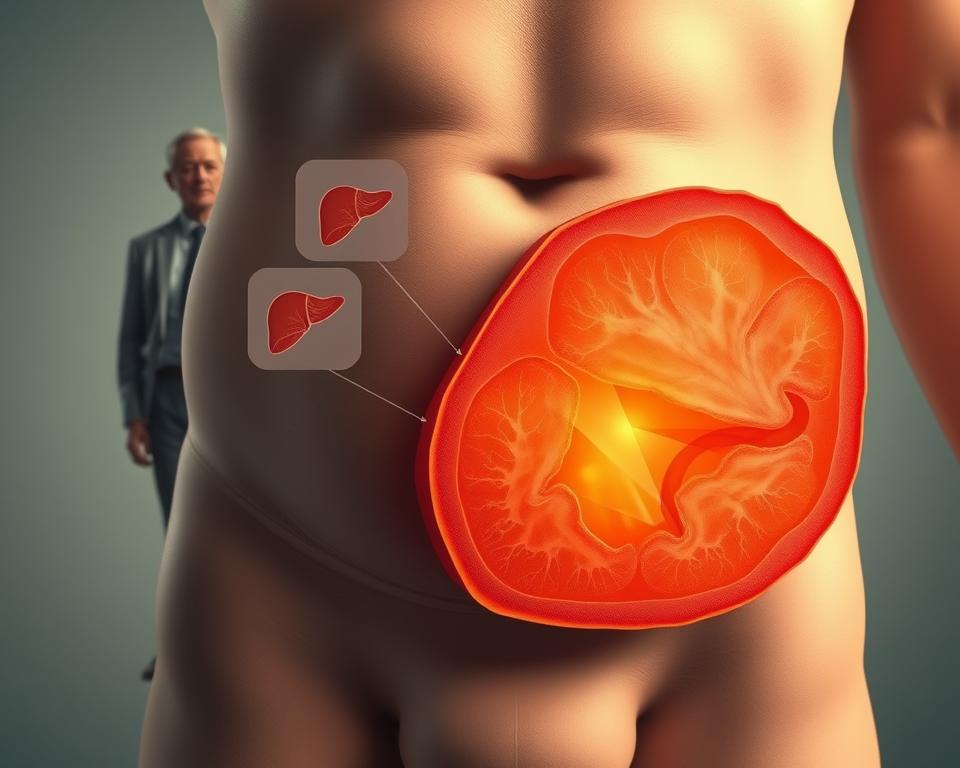
The Dangers of Internal Fat
This type of fat surrounds organs such as the liver and intestines. Even a small amount can worsen blood sugar control and raise the chance of type 2 diabetes.
Inflammation and Chronic Disease
Research shows those cytokines increase inflammation and promote heart disease. The tissue also makes a precursor to angiotensin, which tightens blood vessels and pushes up blood pressure.
- It sits deep in the belly, not under the skin.
- It raises blood pressure and harms blood sugar regulation.
- Many people — including women — may not notice the hidden risk until disease develops.
Bottom line: Knowing the specific type of tissue you carry is the first step in lowering long-term health risk and protecting heart health.
Why Belly Fat Accumulates After Fifty
After midlife, the body often favors storing fuel over burning it, and that shows up around the waist.
The main driver is loss of active tissue. Older adults can lose about 30% of muscle mass over decades. That loss slows the resting calorie burn.
When muscle drops, the body is more likely to package extra energy as belly storage instead of using it for daily movement.

- Natural sarcopenia cuts calorie use and shifts energy to the midsection.
- Hormonal shifts change where the body puts new tissue, moving it toward the belly.
- Maintaining active muscle helps counter the body’s tendency to hold extra fat.
| Age Factor | What Changes | Practical Impact |
|---|---|---|
| Muscle loss | Lower mass and strength | Fewer calories burned at rest |
| Hormones | Shifted fat storage | More belly storage |
| Activity drop | Less daily movement | Higher risk of weight gain around the waist |
How to Measure Your Visceral Fat Levels
A simple tape measure can tell you a lot about hidden belly risk.
Why a waist check matters: Measuring your waist circumference is a practical way to estimate the amount of visceral fat sitting around organs. It often gives a clearer picture of health than BMI because it accounts for where weight collects on the body.
Measure at navel level. Stand relaxed and wrap a soft tape around the waist. Do not pull the tape tight enough to compress the skin.
- For men, a waist of 40 inches or more almost always indicates excess internal tissue — aim for a waist no greater than half your height in inches, per Dr. Caroline Apovian.
- Both women and men should use the same navel-level method for consistent tracking.
- Visible subcutaneous fat can signal higher internal amounts and higher disease risk.
- Track measurements over time to monitor weight changes and metabolic risk.
Note: Use waist checks with other measures, like body composition or medical tests, for the best view of health.
Proven Strategies to Reduce Visceral Fat After 50
Combining focused strength sessions with consistent nutrition habits delivers measurable change in abdominal stores.
Start with resistance work. The right type of resistance training builds muscle and raises daily calorie use. Aim for two to three full-body sessions weekly.
Pair strength with steady aerobic activity. That mix accelerates loss in stubborn belly areas and boosts heart health.
- Follow a balanced diet that supports muscle recovery and steady weight loss.
- Keep training consistent; small weekly progress adds up.
- Adopt lifestyle habits—sleep and stress control—that protect gains.
| Strategy | Why it works | Practical tip |
|---|---|---|
| Resistance training | Builds muscle to increase resting burn | 2–3 sessions/week, compound moves |
| Aerobic exercise | Improves cardiovascular health | 150 mins moderate cardio weekly |
| Disciplined diet | Controls calories and supports recovery | Prioritize protein and whole foods |
| Lifestyle habits | Help maintain long-term results | Improve sleep and manage stress |
The Role of Resistance Training in Fat Loss
Targeted strength work sparks changes inside muscle that help the body burn more calories at rest.
Building Muscle Mass
Building Muscle Mass
Resistance training causes hypertrophy. Tiny tears in fibers heal and grow stronger. Over weeks, your muscle mass increases.
More muscle means a higher resting metabolic rate. That helps your weight and belly measurements move in the right direction.
“Resistance work is essential for building muscle mass and fueling the burning of belly fat.”
The Browning of Fat Cells
The Browning of Fat Cells
Strength sessions trigger hormonal and cellular responses. Some white fat can take on brown-like traits. Those cells burn energy more readily.
- Hypertrophy protects muscle during weight loss.
- Browning turns storage tissue into an energy user.
- Consistent training favors fat loss over muscle loss.
| Effect | How it works | Practical tip |
|---|---|---|
| Muscle growth | Fiber repair and hypertrophy | 2–3 resistance sessions weekly |
| Increased burn | Higher resting calories | Include compound lifts |
| Cell browning | White to brown-like conversion | Mix strength with short cardio |
Bottom line: Regular resistance training and strength work preserve muscle, boost metabolism, and make weight loss target belly stores rather than muscle.
Incorporating Aerobic Exercise for Heart Health
Simple cardio like walking or swimming boosts circulation and helps lower chronic disease risk tied to abdominal storage.
Aim for consistency: follow the guidance of Dr. Caroline Apovian and target 30 to 60 minutes of moderate-intensity aerobic exercise at least three days a week. This pace is enough to improve heart function without overtaxing joints.
Regular physical activity improves muscle metabolism and helps the body use stored energy. That supports steady weight loss and better cardiovascular fitness.
- Choose low-impact options if you have joint concerns—brisk walking, cycling, or water exercise work well.
- Mix steady sessions with brief higher-intensity bursts to boost endurance and calorie use.
- Track weekly minutes to keep progress steady and measurable.
“Increasing weekly activity lowers chronic disease risk and improves cardiovascular endurance.”
For practical plans and gentle progressions, see this helpful guide on natural weight loss strategies: natural weight loss after midlife.
| Session Type | Duration | Benefit |
|---|---|---|
| Brisk walking | 30–60 min, 3+ days/week | Improves heart rate and burns calories |
| Swimming or water aerobics | 30–45 min, 3 days/week | Low-impact, builds endurance and muscle support |
| Interval cardio | 20–30 min, 2 times/week | Boosts metabolism and endurance in less time |
Optimizing Protein Intake for Muscle Preservation
Eating enough protein each day is one of the simplest ways to preserve strength as you age.
Why it matters: Adequate protein supplies amino acids your body uses to repair muscle and protect mass during weight loss. This supports overall health and keeps daily function steady.
Calculating Your Daily Protein Needs
The standard RDA is 0.8 g per kg of body weight, but many older adults do better with up to twice that amount.
- Aim for roughly 30 grams of protein at each meal to fuel repair and recovery.
- For a 180-pound man, target about 65–130 grams per day depending on activity and goals.
- Choose high-quality food sources like fish, poultry, Greek yogurt, and legumes to meet your intake needs.
| Body weight (lbs) | Target (g/kg) | Protein per day (g) |
|---|---|---|
| 140 | 1.0–1.6 | 64–102 |
| 160 | 1.0–1.6 | 73–116 |
| 180 | 1.0–1.6 | 82–131 |
Practical way: Spread protein evenly across the day and prioritize it at meals to protect muscle and support steady belly loss when paired with strength work.
For more on protein needs in older adults, see this review: protein needs in older adults.
Managing Calorie Intake and Weight Loss
A modest daily calorie deficit, paired with smart protein choices, drives steady body change.
Why calories matter: A 2023 review of 40 trials found that calorie-restricted diets are effective for belly fat loss. Target a small, sustainable shortfall so weight drops without big energy swings.
For context, moderately active men need about 2,200–2,400 calories daily to maintain weight. Use that as a starting point and adjust in small steps.
Protect muscle while losing weight. Dr. Caroline Apovian warns roughly 25% of weight loss can be muscle loss. Pair diet changes with resistance training or strength training to keep muscle mass intact.
- Balance lower calories with adequate protein at each meal.
- Track food intake in a diary or app to stay on target and ensure nutrients.
- Research shows fewer calories can help white cells take on brown-like traits, which supports belly loss.
“Combine a controlled diet with consistent strength work to lose weight while preserving the muscle that supports long-term health.”
| Focus | Action | Benefit |
|---|---|---|
| Calorie control | Small daily deficit (200–500 kcal) | Steady weight loss, fewer plateaus |
| Protein timing | ~30 g per meal | Protects muscle mass |
| Strength training | 2–3 sessions/week | Preserve muscle during loss |
Dietary Adjustments to Target Abdominal Fat
Simple swaps at the table help steer the body away from stubborn midsection storage. Focus on whole foods and clear daily goals to support steady weight loss and heart health.
Prioritizing Soluble Fiber
Choose oats, beans, and lentils first. A study found that each 10-gram increase in soluble fiber led to a 3.7% smaller gain in belly fat over five years.
Practical tip: Add a half-cup of cooked legumes or a serving of steel-cut oats daily to boost soluble fiber intake.
Avoiding Trans Fats
Check labels for “partially hydrogenated” oils. These industrial fats raise inflammation and encourage abdominal storage.
Swap idea: Use avocado, olive oil, or nuts instead of processed spreads and packaged snacks.
Limiting Sugar-Sweetened Beverages
Liquid calories don’t register the same as solids. High sugar intake links to fatty liver disease and more visceral fat in men and women.
- Keep added sugar under ~25 grams per day to support health.
- Replace soda and sweetened drinks with water, sparkling water, or unsweetened tea.
- Eat whole fruit instead of drinking fruit juice to slow sugar absorption.
| Change | Why it helps | Weekly goal |
|---|---|---|
| Boost soluble fiber | Less belly fat gain (research) | Daily servings: 1–2 |
| Drop trans fats | Lower inflammation | Check labels on processed foods |
| Cut sugary drinks | Fewer liquid calories; protect liver | 0–1 per week |
The Impact of Sleep Quality on Metabolism
Sleep quality sets the tone for your metabolic day, influencing hunger and energy use.
A long study of more than 68,000 women found those sleeping under five hours nightly had higher chances of gaining weight over time. That research links short sleep to shifts in hormones that control appetite and how the body handles calories.
Why sleep matters: Getting at least seven hours of solid rest helps regulate leptin and ghrelin, the hormones that drive hunger and fullness. Good sleep protects metabolic health and lowers the risk of excess belly fat.
- Poor sleep quality is tied to greater obesity risk and more abdominal storage.
- Sleep apnea causes breathing pauses and is common in people with excess belly measurements.
- Keeping a stable nightly routine lets your body recover and supports daytime fat-burning processes.
“If you suspect a sleep disorder is affecting your health, consult a professional for testing and treatment.”
Simple steps—consistent bedtimes, limiting screens before bed, and treating sleep apnea when present—can improve sleep and support long-term weight and health goals.
Managing Stress to Lower Cortisol Levels
Chronic stress can quietly nudge your body toward storing more weight around the belly. Stress signals the adrenal glands to make cortisol, a hormone that favors abdominal storage. That biological response makes managing stress vital for long-term health and weight loss.
Simple daily habits help keep cortisol in check. Gentle physical activity like yoga, walking, or brief strength sessions lowers tension and supports metabolic balance.
Mindful practices such as meditation or deep breathing slow the stress response. Short pauses during the day let your body reset and improve eating choices.
- Move daily: light exercise or stretching cuts stress and helps body composition.
- Pause often: 5 minutes of breathing reduces cravings tied to stress eating.
- Seek help: if stress fuels disordered eating, call SAMHSA at 1-800-662-4357 for support.
“Finding moments of calm through the day keeps cortisol lower and lets your body focus on healthy loss.”
Considering Supplements and Medical Support
Supplements can help, but medical guidance is the smart first move.
Talk with your healthcare provider before adding probiotics, omega-3 fish oil, hormone therapies, or protein powders. A clinician knows your medical history, current medications, and blood markers. That makes their advice safer and more effective.
Research shows some probiotics may lower belly fat in certain people. Omega-3 supplements have links to better liver and abdominal outcomes in trials. Still, results vary and depend on diet, training, and overall health.
- Which probiotic strains, if any, suit your gut and weight goals.
- Whether omega-3s fit your heart and liver needs.
- Safe use of protein powder to hit daily protein intake for muscle preservation.
- When medical options, like hormone therapy, may help manage metabolic changes.
| Supplement | Possible benefit | Discuss first |
|---|---|---|
| Probiotics | Better gut balance; some belly fat loss in studies | Yes — strain and dose matter |
| Omega-3 fish oil | Supports liver and abdominal health | Yes — check blood fats and meds |
| Protein powder | Helps meet protein intake to protect muscle | Yes — choose quality and timing |
Final note: Always frame supplement use within a full plan of diet, exercise, and medical oversight. For trusted guidance on vitamins and supplements for weight loss, see vitamins and supplements for weight loss.
“Before starting any new supplement, review it with a health professional to avoid interactions and ensure it fits your goals.”
Conclusion
Conclusion
Small, steady habits deliver the biggest wins for midlife body composition and long-term health.
Focus on keeping and building muscle, choosing whole foods, and moving most days to protect your health and manage weight.
These sensible choices cut chronic disease risk and help trim the belly area over time.
Be patient. Short, consistent changes to your diet and activity beat extreme plans for lasting progress with belly fat.
Prioritize rest, listen to your body, and stay active as you navigate this phase of life.
Get well and stay well, Ray Baker.
