

Keeping your independence matters. Simple habits in movement and meal choices can support long-term health and reduce the risk of frailty for many adults.
Short, regular exercise that builds strength and improves balance pairs with smart nutrition to boost resilience. These changes are doable and fit into daily life for most people.
Recent evidence shows that consistent small steps can shift the course of aging. This guide highlights clear actions you can take, with practical tips on strength, balance, and food.
Empowerment starts with knowledge. Learn which routines offer the best protection and how to add them without disrupting your day. With straightforward prevention strategies, frailty does not have to be your future.
Understanding the Reality of Frailty After 60
Age brings shifts in body reserve that make recovery harder for many people. Medical experts call frailty a biologic syndrome of decreased reserve. This means a person may struggle to bounce back from common stressors like illness or falls.
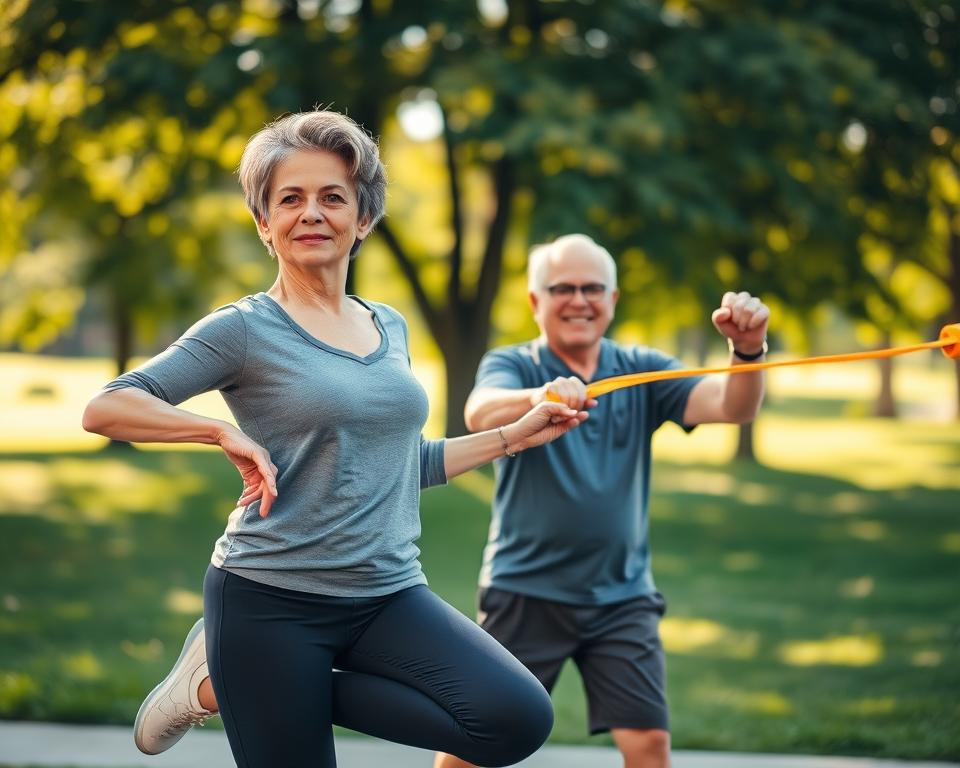
Defining Medical Frailty
Frailty is more than weakness. It reflects combined losses in strength, endurance, and function. A person often meets the definition when they show three or more signs such as low physical activity, muscle weakness, or exhaustion.
Recognizing the Warning Signs
Early clues include unintentional weight loss, slower walking speed, and frequent fatigue. Spotting these signs helps reduce long-term risk and supports timely care.
| Age group | % considered frail | Common warning signs |
|---|---|---|
| 80–84 years | 15.7% | Weakness, low activity |
| 85+ years | 26.1% | Slow walking, weight loss |
| All older adults (U.S.) | ~8,000,000 people | Exhaustion, reduced function |
The rising number of frail adults strains the health care system. Chronic disease often coexists with frailty, creating cycles that harm quality life. Early recognition and simple steps can lower long-term risk and support better health.
How to Prevent Frailty After 60 Through Lifestyle Changes
Everyday routines that boost strength and balance can reshape health outcomes for older adults. Dr. Thomas Johnson from the University of Colorado Anschutz School of Medicine stresses that frailty is not an inevitable effect of age. Intentional choices still matter for your biological health.
Small habits add up. Simple shifts—short resistance sessions, regular balance practice, and clearer meal plans—help people preserve muscle and energy. Doing a little each day supports long-term resilience.
Education gives power. Learn which activities and foods build reserve, then make steady changes. Many adults report that modest adjustments lead to big benefits in mobility and confidence.
“Making intentional lifestyle changes allows older adults to influence their biological age, even if they cannot change their chronological years.”
Want the full step-by-step guide, meal plans and recipes?Get the eBook for $27
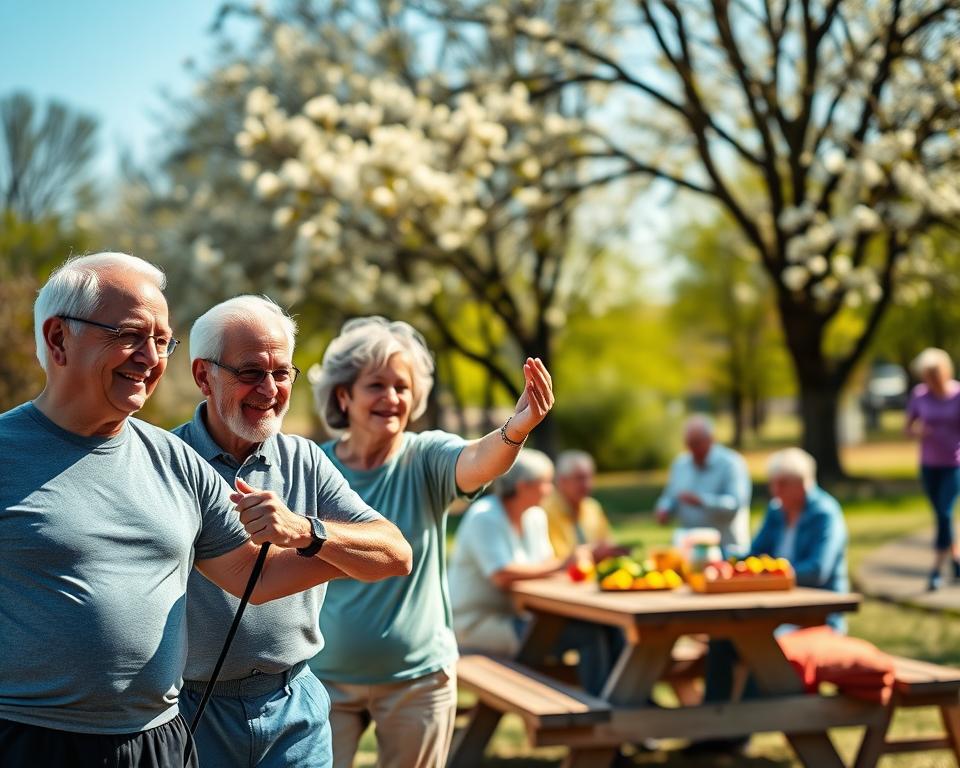
- Commit to consistent, manageable routines.
- Focus on strength, balance, and protein-rich meals.
- Use education and support to stay motivated.
The Role of Physical Exercise in Maintaining Independence
Daily exercise gives your body the signals it needs to stay strong and steady.
Regular activity reduces risk and helps adults keep doing everyday tasks. A network meta-analysis found that physical exercise cut the incidence of frailty in older adults (RR 0.26, 95% CI 0.08–0.83). This is strong evidence that movement matters.
The Benefits of Regular Activity
Exercise-based programs improve gait speed substantially (SMD 1.55, 95% CI 1.16–1.95). One study showed clear gains in overall fitness for participants who followed structured routines.
Practical takeaways:
- Consistent walking and simple strength work keep physical activity levels up and support independence. See the benefits of walking for easy ways to start.
- Exercise-focused interventions outperform nutrition-only approaches for lowering frailty risk in older adults.
- Programs like prehabilitation at UCHealth Seniors Clinic show how targeted activity helps people prepare for surgery and recover faster.
Keeping a steady routine of exercise and varied activities reduces care needs and hospital visits. Integrating short sessions into weekly life is one of the best investments for long-term fitness and function.
Why Resistance Training is Essential for Muscle Mass
Adding regular resistance work is one of the clearest ways to keep muscle strong. Resistance training directly rebuilds muscle mass that tends to shrink with age. This helps adults keep strength for daily tasks and better overall health.
Dr. Thomas Johnson warns that many patients favor aerobic routines alone. Yet resistance training gives the specific stimulus needed to gain mass and power. Even chair lifts, step-ups, or light weights make a big difference.
Combine strength sessions with good nutrition so the body can repair tissue. Short, regular workouts boost metabolic health and raise capacity for physical activity. Over time, this reduces the risk of serious decline and supports independence.
| Focus | Example | Benefit |
|---|---|---|
| Resistance training | Weight lifts, chair stands | Increases muscle mass and strength |
| Nutrition | Protein-rich meals | Supports repair and growth |
| Routine | 2–3 sessions/wk | Improves fitness and metabolic health |
Mastering Balance to Reduce Fall Risk
Small moments of steady practice add up to big gains in stability. Balance training helps people keep independence and lowers the chance of serious injury from falls. Start with short, safe exercises that fit into daily life.
Simple Static Balance Exercises
Single-leg stands are powerful. One study found people aged 51 to 75 who could stand on one leg for 10 seconds showed improved mortality rates.
Corner stands and tandem stands are easy alternatives. Repeat each move for three 10–30 second attempts, resting as needed.
Integrating Balance into Daily Routines
Make balance part of routine tasks. Try standing on one foot while brushing your teeth or during TV commercials. Short, regular practice works better than rare long sessions.
Community programs add structure. The STEP grant awarded $4.7 million to the University of Colorado Anschutz School of Medicine to support fall prevention. Programs like A Matter of Balance and local coalitions expand resources and training.
| Activity | How to do it | Main benefit |
|---|---|---|
| Single-leg stand | Hold 10–30 sec, switch legs | Improves stability and confidence |
| Corner stand | Stand near wall, shift weight | Safe practice for beginners |
| Daily integration | Do while brushing teeth or loading dishwasher | No extra time needed; builds habit |
Nutritional Strategies for Sustaining Strength
A focused nutrition plan makes it simpler to meet protein needs and keep muscle mass.
Aim for 1.0–1.3 grams of protein per kilogram body weight each day. For a 150-pound person, that equals about 68–88 grams daily. Breaking intake into three meals of 20–30 grams makes hitting goals practical.
Choose a Mediterranean diet pattern with lean proteins, whole grains, vegetables, and healthy fats. This diet supports muscle and overall quality of life while lowering the risk of chronic decline.
- Include lean proteins like chicken, Greek yogurt, fish, beans, or tofu at main meals.
- Ensure vitamin D and calcium through food and sensible sun exposure or supplements when advised.
- Pair nutrition with regular exercise and physical activity to maximize muscle response.
| Goal | Daily Target | Food examples |
|---|---|---|
| Protein | 1.0–1.3 g/kg (68–88 g for 150 lb) | Greek yogurt, chicken, lentils |
| Bone support | Vitamin D & calcium per guidelines | Fortified milk, salmon, leafy greens |
| Overall pattern | Mediterranean-style meals | Whole grains, olive oil, vegetables |
Work with your health care team to tailor protein and vitamin targets, especially when managing weight or chronic conditions. Small, steady changes at mealtimes add up to real gains in strength and daily function.
Keeping Your Brain Sharp Through Social Engagement
Meaningful conversation and shared activities give the brain useful challenges every week.
Staying connected is one of the most protective actions older adults can take for cognitive health. Regular social contact asks the brain to process emotions, memory, and language. That mental work helps maintain daily function and emotional balance.
The Power of Social Connection
Research shows that people who stay socially active have better memory and mood. This evidence links social ties to lower risk of cognitive decline and less severe frailty over time.
Try simple steps:
- Join a community class or volunteer group to meet new people.
- Schedule weekly phone calls or coffee dates with friends.
- Learn a hobby that combines social interaction with mental challenge.
“When we stay socially engaged, we also stay mentally engaged.”
Those interactions boost quality life and support the social bonds that help adults stay resilient. For nutrition tips that pair well with social routines, see foods that keep you full longer.
Prioritizing Preventive Care and Health Monitoring
Regular monitoring gives you the data you need to make smart care choices each day. Annual primary care visits let clinicians track blood pressure, weight, and other key health markers that affect long-term risk.
Early screenings matter. The U.S. Preventive Services Task Force recommends checks for diabetes and cholesterol so people can manage risks as they age. These tests help spot issues before they become harder to treat.
Home blood pressure checks can guide treatment decisions and support shared care. Do them when they calm you, not when they cause worry. Discuss readings with your clinician to set clear targets.
Team-based clinics add value. The Fall Prevention Clinic at the UCHealth Seniors Clinic uses a whole-team approach to assess and treat people at risk of falling. This clinic links therapy, medicine review, and community resources.
- Use annual visits to review the number of medications you take and how they affect strength and thinking.
- Ask your doctor about recommended screenings to lower long-term risk and support prevention.
- Work with a care team like UCHealth Seniors Clinic for personalized monitoring and support.
“Prioritizing routine prevention and clear monitoring gives adults practical control over their health and helps reduce the chance of serious decline.”
Navigating the Psychological Impact of Aging
Loneliness and low mood can quietly reduce a person’s activity, which then chips away at muscle and balance.
A common spiral begins when exhaustion leads to less movement. Less activity causes loss of strength and reduced function. Over time, this raises the risk of greater decline.
Psychological support is a key part of care. Talking with a counselor or joining a group helps ease social isolation and apathy. Dr. Thomas Johnson notes that people who are frail often feel drained and less active, which harms quality of life.
Practical steps:
- Mix brief resistance work and balance practice to rebuild confidence and reduce fear of falling.
- Keep protein-rich meals and regular exercise to stay engaged in hobbies and social life.
- Pace efforts — small gains in activity can break cycles of loss and isolation.
“Addressing both the physical and psychological sides of aging improves overall well-being and helps people keep their independence.”
For a clinical view of risk and management, see this clinical review on frailty risk.
Conclusion
Simple daily choices in movement and meals help adults keep their health and independence.
Prevention is a realistic goal. Consistent exercise, focused resistance work, and mindful diet choices that include protein support strength and lower long-term risk.
Evidence shows that steady activity and regular health care monitoring cut the number of setbacks people face. Small steps each day add up over the years.
Talk with your primary care team to tailor a plan for your weight, medications, and goals. Staying social and active also protects mood and function.
Get well and stay well, Ray Baker.
