

You know that feeling, don’t you? It’s 2:30 in the afternoon, and your eyelids feel like they’ve been dipped in concrete. Your colleague Janet is yammering on about the quarterly report, but all you can think about is sneaking off for another cup of coffee. You’ve already had three today, and frankly, you’re starting to feel a bit jittery. Sound familiar?
Here’s the thing most of us get wrong about afternoon energy slumps at work. We treat them like a caffeine deficiency when they’re actually a lunch problem. I learned this the hard way after years of mainlining espresso like it was my job. Turns out, what we eat at midday matters more than what we drink at 3 PM.
The Mediterranean approach to lunch offers a refreshingly simple solution. Instead of fighting your afternoon slump with more stimulants, you prevent it altogether with the right foods. No fancy supplements. No expensive meal delivery services. Just time-tested eating habits from people who’ve been avoiding the afternoon crash for centuries.
Quick Answer: Beat the Afternoon Slump With Mediterranean Lunch Habits
Mediterranean low-glycemic lunch ideas for sustained energy focus on combining healthy fats, lean proteins, and fiber-rich vegetables to stabilize blood sugar levels throughout the day. Instead of sandwiches made with white bread, choose chickpea salads with olive oil, grilled fish with quinoa and roasted vegetables, or lentil soup with whole grain bread. These foods prevent afternoon fatigue naturally by avoiding the rapid blood sugar spikes and crashes that trigger energy slumps. The key is balancing your plate with 50% vegetables, 25% protein, and 25% whole grains, dressed with extra virgin olive oil.
3 Key Takeaways
- Blood sugar stability prevents energy crashes: Mediterranean lunches combine protein, healthy fats, and fiber to keep blood sugar levels steady for hours, eliminating the post-lunch crash that sends you reaching for caffeine.
- Timing and composition matter more than calories: Eating lunch between 12-1 PM with proper macronutrient balance (healthy fats from olive oil, lean protein, low-glycemic vegetables) maintains focus better than calorie restriction or skipping meals.
- Simple swaps create lasting results: Replace refined carbohydrates with whole grains, add a tablespoon of olive oil to meals, and include legumes three times weekly to transform your afternoon energy without complicated meal planning.
Ready to Transform Your Afternoons?
Stop relying on caffeine and start eating for sustained energy. Get complete Mediterranean meal plans, detailed recipes, and energy-boosting strategies.
Why Do Afternoon Energy Slumps at Work Happen?
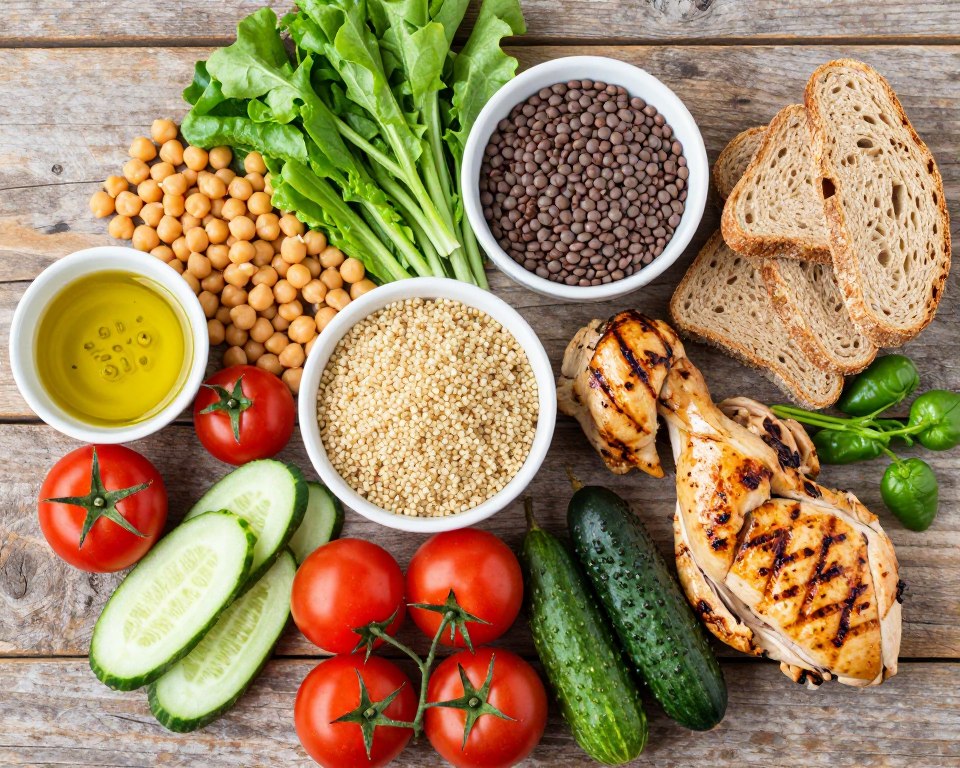
Your body runs on glucose, which it extracts from the food you eat. When you consume a lunch high in refined carbohydrates like white bread, pasta, or sugary foods, your blood sugar levels spike rapidly. Your pancreas responds by releasing insulin to bring those levels back down.
But here’s where it gets interesting. That insulin often overshoots, causing your blood sugar to drop below where it started. This creates what researchers call reactive hypoglycemia, and it’s the primary culprit behind your 2 PM face-plant into the keyboard.
According to research published in Nutrients (2024), meals with a high glycemic index trigger a cascade of hormonal responses that directly impair cognitive function within 90 minutes of eating. Your brain, which uses about 20% of your body’s energy despite being only 2% of your weight, becomes starved for fuel.
The afternoon slump isn’t just about blood sugar, though. Your circadian rhythm naturally dips between 1-3 PM, regardless of what you eat. This biological tendency, combined with a poor lunch choice, creates the perfect storm for afternoon fatigue.
Dehydration compounds the problem. Most people don’t drink enough water throughout the day, and even mild dehydration reduces blood flow to the brain. Less blood flow means less oxygen and fewer nutrients reaching the very organ you need most for afternoon focus.
Many of us compound these issues by eating lunch at our desks, barely chewing, and rushing through meals in fifteen minutes or less. This stress response triggers cortisol release, which further destabilizes blood sugar levels and sets you up for an energy crash later in the day.
How to Avoid Post-Lunch Crash Without Coffee: The Mediterranean Way

The Mediterranean approach to lunch focuses on foods that prevent afternoon fatigue naturally through steady energy release. Instead of fighting your biology with stimulants, you work with it through proper nutrition.
Mediterranean low-glycemic lunch ideas center on three core principles. First, you prioritize healthy fats from sources like olive oil, nuts, and fatty fish. These fats slow digestion and provide sustained energy without spiking blood sugar.
Second, you include lean protein at every meal. Protein from fish, legumes, or poultry provides amino acids that support neurotransmitter production, keeping your brain sharp throughout the day. Research from Harvard Health (2023) shows that protein-rich lunches improve afternoon concentration by up to 30% compared to carbohydrate-heavy meals.
Third, you load up on fiber-rich vegetables and whole grains. Fiber slows the absorption of glucose into your bloodstream, preventing the dramatic spikes and crashes that characterize refined carbohydrate meals. A simple rule: make half your plate non-starchy vegetables.
The Mediterranean diet emphasizes meal timing as well. Eating lunch between noon and 1 PM aligns with your body’s natural digestive rhythms. Eating too early leaves you hungry by mid-afternoon; eating too late interferes with dinner and evening routines.
Here’s where it gets practical. A typical Mediterranean lunch might include a large salad with mixed greens, tomatoes, cucumbers, and bell peppers, topped with chickpeas or grilled fish, and dressed generously with extra virgin olive oil and lemon juice. Add a small portion of whole grain bread or quinoa, and you’ve got a meal that sustains energy for hours.
The beauty of this approach is its simplicity. You don’t need to count calories or measure portions obsessively. The combination of protein, healthy fats, and fiber naturally regulates your appetite and blood sugar levels, making overeating difficult and energy crashes unlikely.
Stay hydrated throughout the day. Water supports blood flow to the brain and helps your body metabolize nutrients efficiently. Aim for eight glasses daily, with at least one glass before and after lunch.
Mediterranean Low-Glycemic Lunch Ideas for Sustained Energy
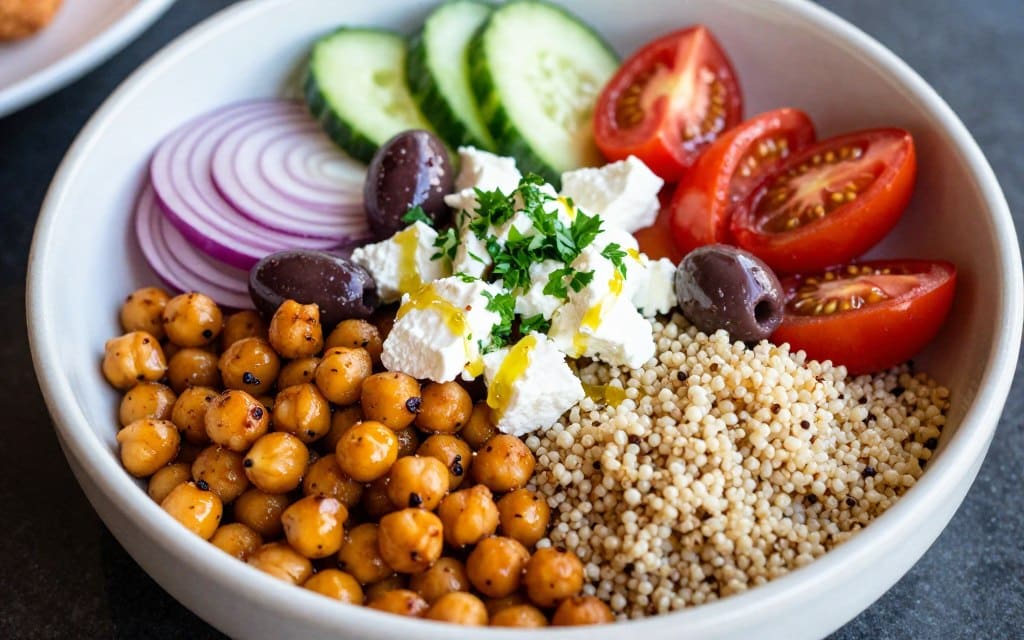
Chickpea and Vegetable Salad
Start with two cups of mixed greens as your base. Add one cup of cooked chickpeas, which provide both protein and fiber to stabilize blood sugar levels. Toss in diced tomatoes, cucumbers, red onions, and bell peppers for volume and nutrients.
Dress with two tablespoons of extra virgin olive oil, one tablespoon of lemon juice, and a sprinkle of dried oregano. This combination provides healthy monounsaturated fats that slow digestion and prevent afternoon energy slumps.
Add a small handful of walnuts or almonds for extra protein and omega-3 fatty acids. These support brain function and help maintain focus throughout the day. Serve with a small piece of whole grain pita bread if desired.
Grilled Fish With Quinoa and Roasted Vegetables
Choose salmon, sardines, or mackerel for maximum omega-3 content. These fatty fish provide sustained energy and support cognitive function well into the afternoon. Grill or bake a four-ounce portion with lemon and herbs.
Pair with half a cup of cooked quinoa, a complete protein that contains all nine essential amino acids. Quinoa has a low glycemic index, meaning it won’t cause the blood sugar spikes that lead to afternoon crashes.
Add two cups of roasted vegetables like zucchini, eggplant, bell peppers, and onions. Roast them in olive oil at 400°F for twenty-five minutes. The combination of protein, complex carbohydrates, and healthy fats creates a perfectly balanced meal for sustained energy.
White Bean and Spinach Soup
This hearty soup combines legumes, leafy greens, and olive oil for a lunch that beats afternoon fatigue naturally. Sauté diced onions and garlic in olive oil until soft, then add vegetable broth, canned white beans, and fresh spinach.
Season with rosemary, thyme, and a bit of lemon zest. The beans provide protein and fiber, while the spinach adds iron and magnesium-both essential for energy production. Simmer for fifteen minutes until flavors meld.
Serve with a slice of whole grain sourdough bread drizzled with olive oil. The fermentation process in sourdough lowers its glycemic index compared to regular bread, making it less likely to cause afternoon energy crashes.
Mediterranean Lentil Bowl
Cook one cup of green or brown lentils according to package directions. Lentils contain both protein and fiber, plus resistant starch that feeds beneficial gut bacteria and supports steady energy release.
Top with roasted vegetables, crumbled feta cheese, olives, and a generous drizzle of olive oil. Add fresh herbs like parsley or mint for flavor and additional nutrients. The combination keeps you satisfied and focused without the post-lunch crash.
This meal can be prepared in advance and eaten cold or at room temperature, making it perfect for busy workdays when you can’t access a kitchen at lunch time.
Simple Mediterranean Comfort Recipe: Tuscan White Bean Stew
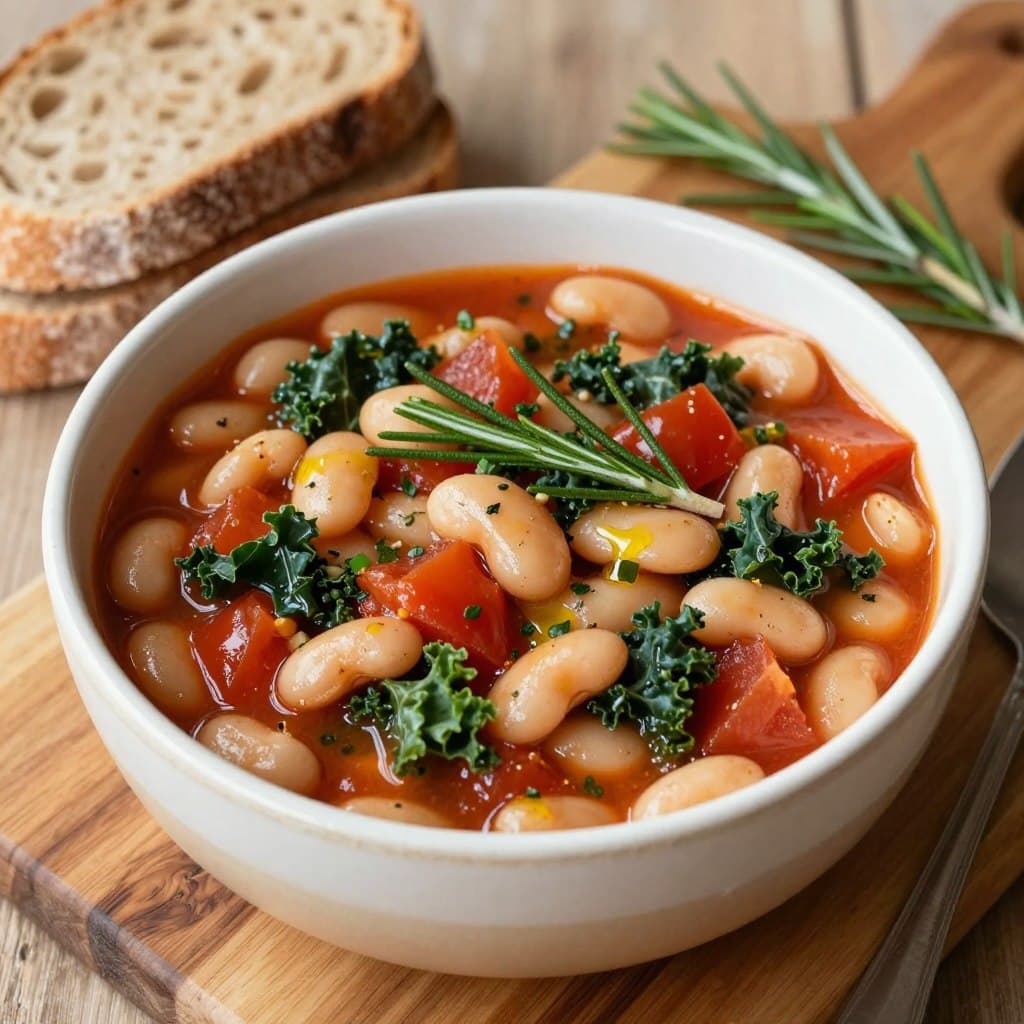
This one-pot meal takes twenty-five minutes from start to finish and provides sustained energy that lasts all afternoon. It’s perfect for meal prep on Sunday evenings.
Ingredients
- 2 tablespoons extra virgin olive oil
- 1 medium onion, diced
- 3 cloves garlic, minced
- 2 cans (15 oz each) cannellini beans, drained and rinsed
- 1 can (14 oz) diced tomatoes
- 4 cups vegetable broth (or chicken broth)
- 2 cups chopped kale or spinach
- 1 teaspoon dried rosemary
- 1 teaspoon dried thyme
- Salt and pepper to taste
- Lemon wedges for serving
Instructions
- Heat olive oil in a large pot over medium heat. Add diced onion and cook until soft, about five minutes. Stir occasionally to prevent browning.
- Add minced garlic and cook for one minute until fragrant. Don’t let it burn or it will taste bitter.
- Pour in vegetable broth, canned tomatoes, and white beans. Stir to combine all ingredients thoroughly.
- Add dried rosemary and thyme. Season with salt and pepper according to your taste preferences.
- Bring the mixture to a boil, then reduce heat to low and simmer for fifteen minutes. This allows flavors to develop and meld together.
- Add chopped kale or spinach in the last five minutes of cooking. Stir until wilted and bright green.
- Serve hot with a squeeze of fresh lemon juice and an extra drizzle of olive oil on top.
Simple Substitutions
Can’t find cannellini beans? Use chickpeas or navy beans instead. They provide similar protein and fiber content for sustained energy.
Don’t like kale? Substitute with spinach, Swiss chard, or even frozen chopped spinach (thawed and drained). All work beautifully in this recipe.
Want more protein? Add cooked chicken sausage or leftover rotisserie chicken in the last five minutes of cooking. This boosts the protein content for even better afternoon focus.
Make it spicier by adding red pepper flakes when you add the garlic. Start with a quarter teaspoon and adjust to taste.
Screenshot-Ready Mediterranean Lunch Grocery List

Proteins (Choose 3-4)
- Canned chickpeas (3-4 cans)
- Canned white beans or lentils (3-4 cans)
- Fresh salmon or sardines (1 lb)
- Chicken breast or thighs (1 lb)
- Eggs (1 dozen)
- Feta cheese (8 oz)
Vegetables (Buy Fresh Weekly)
- Mixed salad greens (2 containers)
- Cherry tomatoes (2 pints)
- Cucumbers (4-5)
- Bell peppers (4-5, various colors)
- Red onions (2-3)
- Zucchini (3-4)
- Eggplant (1-2)
- Kale or spinach (2 bunches)
- Carrots (1 bag)
Whole Grains
- Quinoa (1 bag)
- Brown rice (1 bag)
- Whole grain bread or pita (1 loaf)
- Whole grain pasta (1 box)
Healthy Fats
- Extra virgin olive oil (1 large bottle)
- Raw almonds or walnuts (1 bag each)
- Kalamata olives (1 jar)
- Avocados (3-4)
Herbs, Spices, and Flavor
- Fresh lemons (6-8)
- Garlic (2 heads)
- Fresh parsley and mint (1 bunch each)
- Dried oregano, rosemary, and thyme
- Sea salt and black pepper
Pantry Staples
- Vegetable or chicken broth (4 cups)
- Canned diced tomatoes (2-3 cans)
- Balsamic vinegar
- Dijon mustard
Our free 28-Day Mediterranean Diet Maintenance Program includes detailed shopping lists for each week, with seasonal variations and budget-friendly alternatives. It takes the guesswork out of grocery shopping and helps you stick to energy-boosting lunch habits long-term.
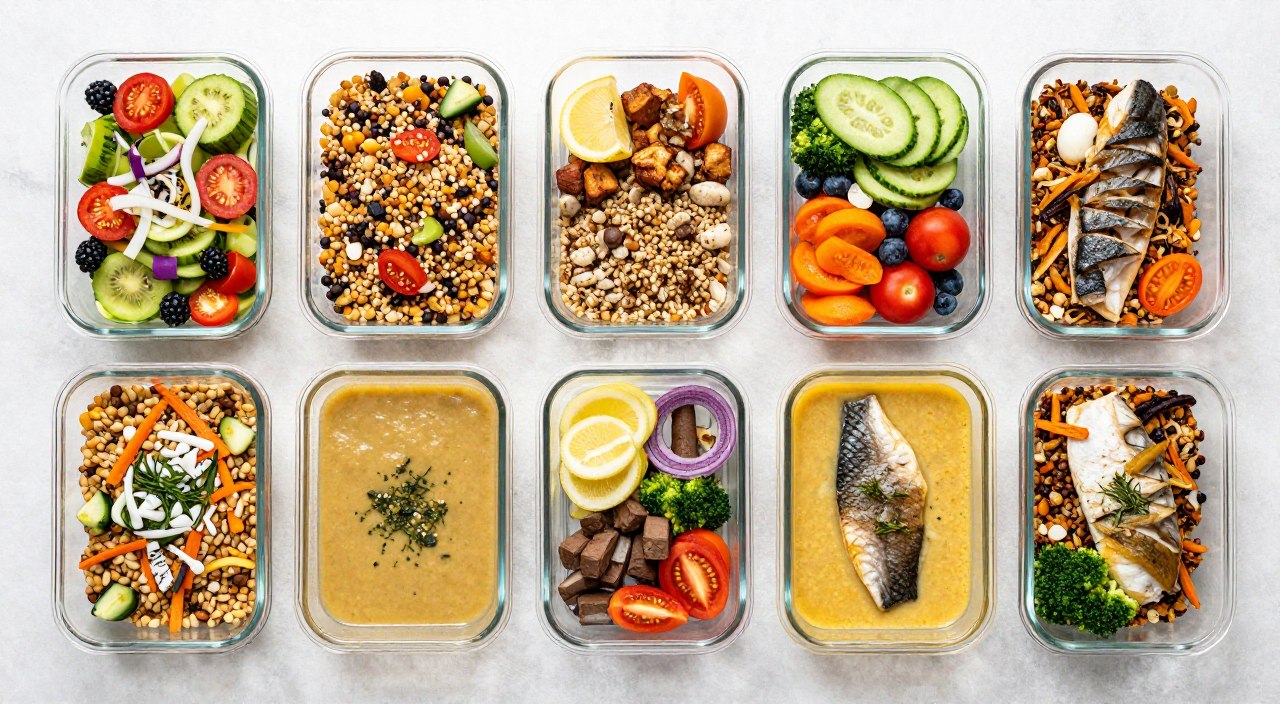
Your 7-Day Mediterranean Lunch Starter Plan
Monday: Chickpea and Arugula Salad
Mix two cups arugula with one cup chickpeas, cherry tomatoes, cucumber, and red onion. Dress with olive oil and lemon juice. Add crumbled feta cheese and a small whole grain pita.
Prep time: 10 minutes
Energy boost: Lasts 4-5 hours
Tuesday: Grilled Salmon With Quinoa Bowl
Serve four ounces grilled salmon over half cup cooked quinoa. Add roasted vegetables (zucchini, bell peppers, onions). Drizzle with olive oil and fresh herbs.
Prep time: 25 minutes (or use Sunday meal prep)
Energy boost: Sustained focus until dinner
Wednesday: White Bean and Spinach Soup
Heat the Tuscan White Bean Stew recipe from above. Serve with whole grain sourdough bread. This comfort food prevents afternoon fatigue naturally.
Prep time: 5 minutes (if made ahead)
Energy boost: Steady blood sugar all afternoon
Thursday: Mediterranean Lentil Bowl
Combine cooked lentils with roasted vegetables, olives, feta, and mixed greens. Top with olive oil and balsamic vinegar. Add walnuts for extra brain-boosting omega-3s.
Prep time: 15 minutes
Energy boost: Mental clarity through end of workday
Friday: Greek-Style Chicken Salad
Dice grilled chicken breast and toss with cucumber, tomatoes, red onion, olives, and feta. Dress with olive oil, lemon juice, and oregano. Serve over mixed greens with whole grain crackers.
Prep time: 12 minutes
Energy boost: High protein keeps you sharp
Saturday: Vegetable and White Bean Bowl
Roast mixed vegetables with olive oil. Serve over white beans with fresh parsley and lemon. Add a poached egg on top for extra protein and satisfaction.
Prep time: 30 minutes
Energy boost: Perfect weekend lunch balance
Sunday: Meal Prep Day
Use Sunday to prepare components for the week ahead. Cook a large batch of quinoa and lentils. Roast vegetables in bulk. Grill chicken or fish portions. Chop vegetables and store in containers.
This preparation makes weekday lunches quick and easy. You’ll spend thirty to forty-five minutes on Sunday, saving fifteen to twenty minutes each weekday. More importantly, you’ll avoid the temptation to grab fast food when you’re busy or tired.
Sunday prep time: 45 minutes
Weekday time saved: 75-100 minutes total
Get Your Complete Mediterranean Energy Plan
This 7-day starter plan is just the beginning. Access 100+ Mediterranean recipes, detailed meal plans, and energy-optimization strategies designed specifically for professionals over 50.
Beyond Lunch: Additional Strategies to Beat Afternoon Slump

Stay Hydrated Throughout the Day
Dehydration reduces blood flow to your brain, making concentration difficult and fatigue more pronounced. Even a two percent loss in body water can impair cognitive performance and increase feelings of tiredness.
Keep a water bottle at your desk and aim to drink at least eight cups of water throughout the day. Drink one cup of water before lunch and another cup after eating to support digestion and nutrient absorption.
If plain water bores you, add lemon slices, cucumber, or fresh mint. Herbal teas count toward your hydration goals as well. Just avoid sugary drinks that spike blood sugar and contribute to afternoon energy crashes.
Take a Brief Walk Around the Office
Movement increases blood flow to the brain and boosts energy levels naturally. A ten-minute walk after lunch can improve afternoon focus by up to 25%, according to research in the Journal of Occupational Health (2023).
You don’t need to change clothes or break a sweat. Simply walk around your building, climb a few flights of stairs, or step outside for fresh air. The combination of movement and daylight exposure helps reset your circadian rhythm and combat the natural afternoon dip in alertness.
If you work from home, walk around the block or do light stretching in your living room. The key is moving your body to increase circulation and oxygen delivery throughout your system.
Manage Your Morning Coffee Intake
Caffeine isn’t the enemy, but timing matters. Having three cups before noon can actually worsen afternoon crashes by disrupting your natural cortisol rhythms and creating dependency.
Limit yourself to one or two cups of coffee in the morning, finishing your last cup by 10 AM. This allows caffeine to clear your system by afternoon and prevents it from interfering with nighttime sleep quality.
Better sleep at night means less reliance on caffeine the next day, creating a positive cycle of sustained energy rather than the rollercoaster of stimulants and crashes.
Consider a Strategic Power Nap
If your workplace allows it, a fifteen to twenty-minute nap between 1-3 PM can dramatically improve afternoon alertness and productivity. Set an alarm to avoid sleeping longer than twenty minutes, which can leave you groggy.
NASA research found that a twenty-six-minute nap improved pilot performance by 34% and alertness by 54%. Even closing your eyes and resting quietly for ten minutes can provide a mental reset.
Not everyone has the luxury of napping at work, but if you do, take advantage of this powerful tool for beating the afternoon slump naturally.
Optimize Your Sleep Schedule
Afternoon fatigue often starts the night before. Adults over fifty need seven to eight hours of quality sleep per night to maintain cognitive function and energy levels throughout the day.
Establish a consistent bedtime routine. Go to bed and wake up at the same time every day, even on weekends. This regulates your circadian rhythm and makes it easier to stay alert during afternoon hours.
Avoid screens for an hour before bed, keep your bedroom cool and dark, and limit alcohol consumption in the evening. These habits improve sleep quality and reduce next-day fatigue.
The Science Behind Mediterranean Lunch Habits and Sustained Energy
Mediterranean eating patterns affect afternoon energy through multiple biological mechanisms. Understanding these processes helps you appreciate why simple food choices create such dramatic differences in how you feel.
Blood Sugar Regulation
When you eat a Mediterranean lunch rich in fiber, protein, and healthy fats, glucose enters your bloodstream slowly and steadily. This prevents the insulin surge that characterizes high-glycemic meals.
Research published in the American Journal of Clinical Nutrition (2023) demonstrates that meals containing olive oil reduce post-meal glucose spikes by up to 30% compared to meals without added fats. The monounsaturated fats in olive oil slow gastric emptying, extending the time it takes for food to move from your stomach to your small intestine.
Fiber from vegetables and whole grains creates a gel-like substance in your digestive tract that further slows glucose absorption. This steady release of energy prevents the blood sugar crash that triggers afternoon fatigue and cravings for more carbohydrates or caffeine.
Neurotransmitter Production
Your brain produces neurotransmitters like serotonin and dopamine from amino acids found in protein-rich foods. These chemical messengers regulate mood, focus, and energy levels throughout the day.
Mediterranean lunches provide high-quality protein from fish, legumes, and dairy that supply these essential amino acids. Tryptophan, found abundantly in chickpeas and fish, converts to serotonin in the brain, promoting calm focus without drowsiness.
Unlike high-carbohydrate meals that can increase tryptophan availability and cause sleepiness, balanced Mediterranean meals provide enough protein to support alertness while still allowing for appropriate serotonin production.
Inflammation and Brain Function
Chronic inflammation impairs cognitive function and contributes to feelings of fatigue. The Mediterranean diet’s emphasis on anti-inflammatory foods like olive oil, fatty fish, and colorful vegetables helps reduce inflammatory markers in the body.
Omega-3 fatty acids from fish and walnuts cross the blood-brain barrier and incorporate into brain cell membranes, improving neuron function and communication. Studies show that regular omega-3 consumption improves processing speed and working memory in adults over fifty.
Polyphenols from olive oil and vegetables act as antioxidants, protecting brain cells from oxidative stress that accumulates throughout the day. This protection helps maintain mental clarity even during the challenging afternoon hours.
Gut-Brain Axis Communication
Your gut bacteria communicate with your brain through the vagus nerve and various chemical signals. The fiber-rich foods in Mediterranean lunches feed beneficial gut bacteria, promoting a healthy microbiome.
These beneficial bacteria produce short-chain fatty acids that reduce inflammation and support brain health. They also manufacture B vitamins essential for energy production and neurotransmitter synthesis.
A healthy gut microbiome improves mood, reduces anxiety, and enhances cognitive function-all factors that contribute to sustained afternoon energy and focus.
Transform Your Afternoons Starting Today
You’ve learned the science, seen the meal ideas, and have a seven-day starter plan. Now it’s time to implement these strategies consistently with comprehensive support.
Get access to over 100 Mediterranean recipes specifically designed for sustained energy, detailed weekly meal plans that take the guesswork out of lunch preparation, and evidence-based strategies for optimizing your daily energy levels.
Frequently Asked Questions About Beating Afternoon Energy Slumps
How quickly will I notice improved afternoon energy after switching to Mediterranean lunches?
Most people notice a difference within three to five days of consistently eating Mediterranean-style lunches. The first change you’ll likely experience is the absence of the dramatic energy crash around 2-3 PM. Within two weeks, you should feel sustained energy throughout the afternoon without needing caffeine. Full benefits, including improved focus and mental clarity, typically develop over four to six weeks as your body adapts to stable blood sugar levels and your gut microbiome shifts toward a healthier balance. Keep in mind that individual results vary based on your starting diet, overall health, sleep quality, and stress levels.
Can I still drink coffee in the morning if I’m following Mediterranean lunch habits?
Yes, moderate coffee consumption fits well within Mediterranean dietary patterns. Limit yourself to one or two cups in the morning, preferably before 10 AM. This timing allows caffeine to clear your system by afternoon and prevents interference with nighttime sleep. Mediterranean cultures traditionally enjoy coffee as part of social rituals, so it’s not about eliminating caffeine entirely. The key is avoiding the afternoon coffee habit that masks underlying energy problems caused by poor lunch choices. Once your Mediterranean lunch habits stabilize your blood sugar, you’ll find you don’t crave or need that afternoon caffeine boost. Many people report naturally reducing their coffee intake as their energy levels improve throughout the day.
What if I don’t have time to prepare Mediterranean lunches every day?
Meal preparation is your solution. Dedicate forty-five minutes on Sunday to cook grains (quinoa, brown rice), roast vegetables, and prepare proteins like grilled chicken or hard-boiled eggs. Store these components in separate containers and assemble quick lunches throughout the week. Many Mediterranean lunches require minimal cooking-a chickpea salad takes ten minutes to throw together using canned beans and pre-washed greens. You can also make double portions at dinner and bring leftovers for lunch. If you absolutely must eat out, choose restaurants offering Mediterranean options like Greek salads with grilled chicken or fish, grain bowls, or vegetable-based soups. The key is planning ahead rather than relying on whatever’s convenient when you’re already hungry and rushed.
Are Mediterranean lunch habits effective for people with diabetes or prediabetes?
Mediterranean dietary patterns are particularly beneficial for blood sugar management. Multiple studies, including research published in Diabetes Care (2024), show that Mediterranean eating improves glycemic control and reduces diabetes complications. The combination of low-glycemic foods, healthy fats, and fiber helps stabilize blood sugar levels throughout the day. However, if you have diabetes or prediabetes, work with your healthcare provider or dietitian to personalize portion sizes and monitor your blood sugar response to different foods. You may need to adjust serving sizes of even healthy carbohydrates like quinoa or beans based on your individual glucose tolerance. The general principles remain the same-prioritize vegetables, lean proteins, and healthy fats-but individual customization ensures optimal blood sugar control for your specific situation.
Final Thoughts on Afternoon Energy and Mediterranean Eating

The afternoon energy slump isn’t a character flaw or an inevitable part of aging. It’s a signal from your body that something needs to change, and that something is usually what you ate for lunch.
Mediterranean lunch habits work because they address the root cause rather than masking symptoms with stimulants. When you stabilize blood sugar through proper food combinations, you eliminate the crash that sends you searching for coffee or sugary snacks.
The beauty of this approach is its simplicity. You don’t need exotic ingredients, complicated recipes, or expensive meal delivery services. A salad with chickpeas and olive oil, a bowl of lentil soup, or grilled fish with roasted vegetables-these simple meals provide everything your body needs for sustained afternoon energy.
Start small if the idea of overhauling your entire lunch routine feels overwhelming. Swap your sandwich for a salad one day this week. Add a tablespoon of olive oil to your meal. Replace white rice with quinoa. These incremental changes compound over time, creating lasting improvements in your energy levels and overall health.
Remember that consistency matters more than perfection. You’ll have days when you can’t prepare a Mediterranean lunch, and that’s okay. The goal is making these habits your default pattern, not following rigid rules that create stress and guilt.
Your afternoons can be productive, focused, and energetic. The solution isn’t another cup of coffee-it’s a plate of real, nourishing food that works with your biology instead of against it.
Medical Disclaimer
This article provides general information about nutrition and energy management. It is not medical advice and should not replace consultation with qualified healthcare professionals. If you have diabetes, metabolic disorders, or other health conditions, consult your doctor or registered dietitian before making significant dietary changes. Individual nutritional needs vary based on health status, medications, and personal circumstances.
References
- American Journal of Clinical Nutrition, 2023
- Diabetes Care, 2024
- Harvard Health Publishing, 2023
- Journal of Occupational Health, 2023
- Nutrients, 2024
Get well and stay well,
Ray Baker
