

Last Tuesday morning, I woke up and my knees had apparently decided to go on strike. Again. The familiar stiffness had settled in like an unwelcome houseguest, making the simple act of getting out of bed feel like climbing Everest in flip-flops. Sound familiar?
If you’re reading this, chances are you know exactly what I’m talking about. That deep ache in your joints that makes you feel older than your years. The Mediterranean diet for osteoarthritis might just be the simple, practical solution you’ve been searching for, without the side effects that come with some medications.
Here’s the good news: you don’t need to become a gourmet chef or eat foods you can’t pronounce. This guide will show you exactly how everyday Mediterranean foods can help reduce inflammation and ease joint pain naturally.
Quick Answer: Can Diet Really Help Osteoarthritis?
Yes, absolutely. The Mediterranean diet for osteoarthritis works by reducing inflammation through omega-3 fatty acids, antioxidants, and anti-inflammatory compounds found in olive oil, fish, vegetables, and nuts. Research from the Osteoarthritis Initiative shows adherence to Mediterranean diet is associated with lower prevalence of degenerative joint disease symptoms and improved activities of daily living. Most people notice reduced joint stiffness within 3-6 weeks of consistent dietary changes.
5 Key Takeaways About Mediterranean Diet and Joint Health
- The Mediterranean diet reduces inflammation naturally through omega-3 fatty acids and antioxidants, targeting the root cause of osteoarthritis pain
- Studies show Mediterranean diet adherence is associated with lower prevalence of degenerative joint disease and improved daily functioning
- Extra virgin olive oil contains compounds that exert protective effects on joint health, similar to anti-inflammatory medications
- A Mediterranean diet osteoarthritis meal plan emphasizes fatty fish, colorful vegetables, nuts, and whole grains while limiting processed foods
- Most people experience noticeable improvements in joint pain and mobility within 4-8 weeks of consistent Mediterranean eating patterns
Understanding the Mediterranean Diet for Osteoarthritis Connection
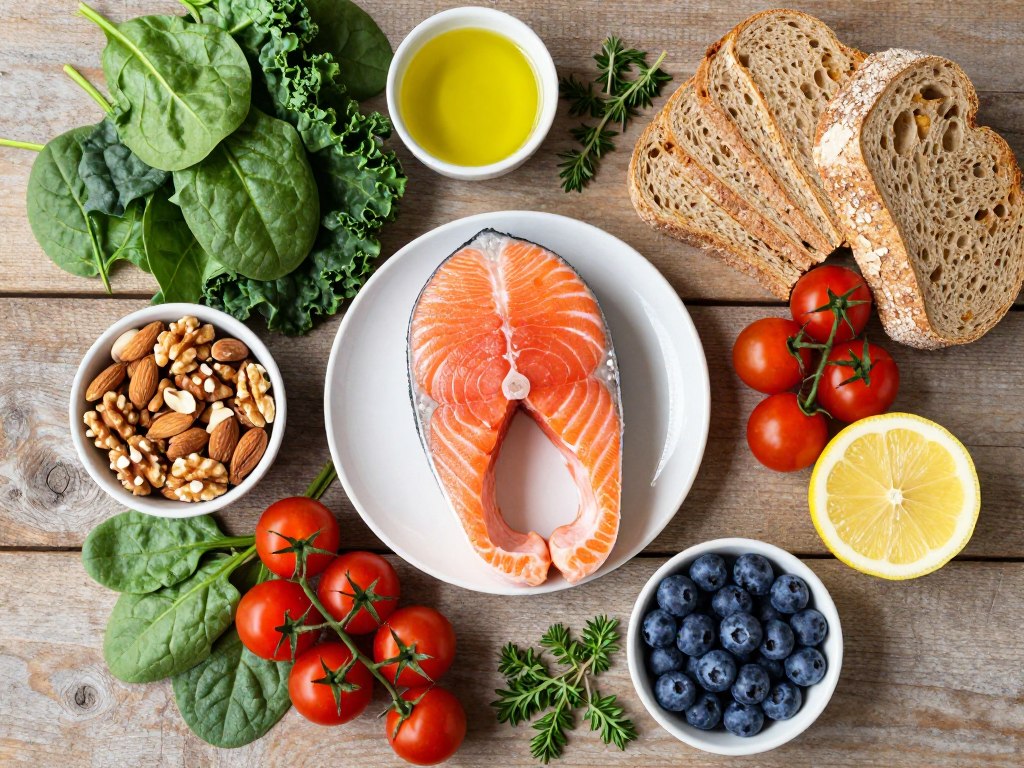
What Makes This Diet Different for Joint Pain?
Right, so you’ve probably heard about a dozen different diets promising miracles. I’ll admit, I was skeptical too. But here’s what makes the anti-inflammatory Mediterranean diet for osteoarthritis actually different.
This isn’t some fad diet invented last week by someone’s cousin who took a nutrition course online. The Mediterranean diet has been around for thousands of years. People in Greece, Italy, and Spain have been eating this way since forever, and researchers noticed something interesting.
These populations have significantly lower rates of chronic inflammation and degenerative conditions. Studies published in journals focusing on aging, clinical and experimental research consistently show this connection.
The Science Behind Food and Inflammation
Let me break this down without the medical jargon that makes your eyes glaze over. Osteoarthritis isn’t just about worn-out joints. There’s a whole lot of inflammation happening in there, making everything hurt more than it should.
The Mediterranean diet works because it’s packed with nutrients that actually calm down inflammation. We’re talking about omega-3 fatty acids from fish, antioxidants from colorful vegetables, and special compounds in olive oil that researchers found can exert protective effects on your joints.
According to research examining Mediterranean diet components, the combination of these nutrients creates a powerful anti-inflammatory effect. It’s not just one magic food doing all the work. The whole diet pattern works together.
An umbrella review of meta-analyses looking at randomized controlled trials showed that Mediterranean type diet adherence is consistently associated with reduced inflammatory markers in adults. That’s science-speak for “this stuff actually works.”
Best Mediterranean Foods for Joint Pain Relief
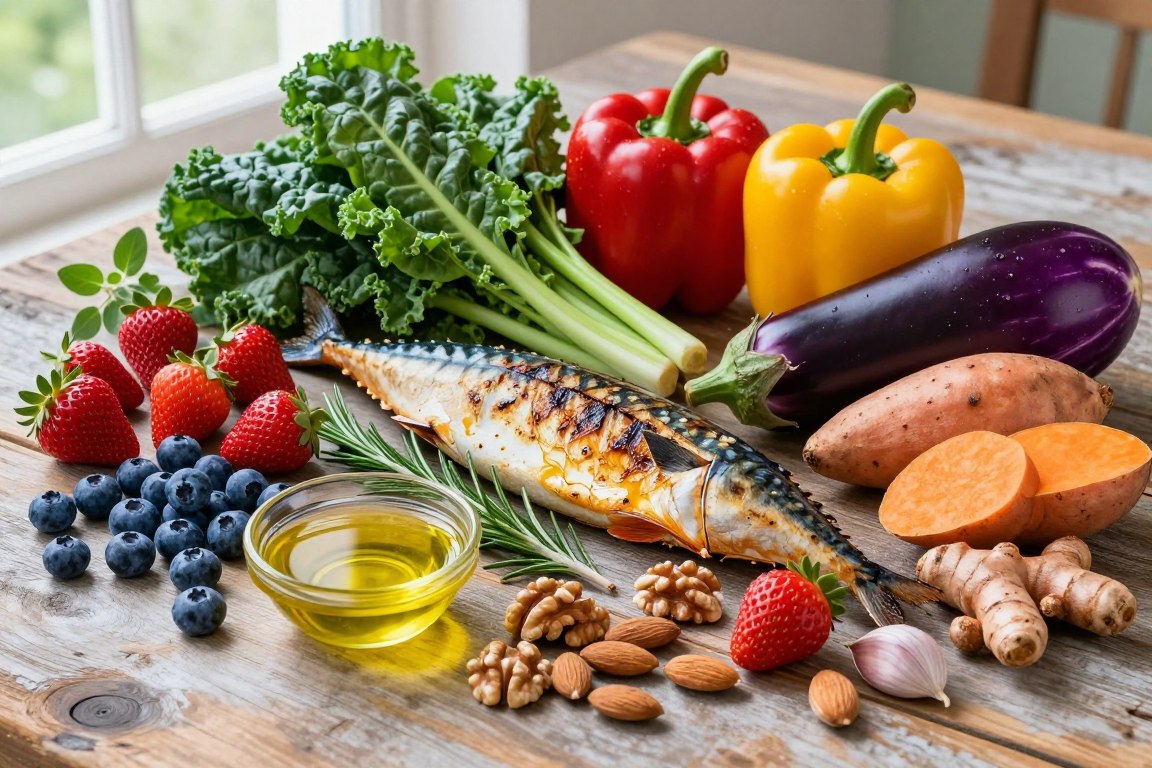
Fatty Fish: Your Joints’ Best Friend
If there’s one food group you want to become friends with, it’s fatty fish. I’m talking salmon, mackerel, sardines, and anchovies. Yes, even the little fishy ones that come on pizza if you’re feeling adventurous.
These fish are absolutely loaded with omega-3 fatty acids, specifically EPA and DHA. Research shows these omega-3 fatty acids have direct anti-inflammatory effects on joint tissue.
Aim for at least two servings per week. A serving is about the size of a deck of cards. If you’re thinking “but fish is expensive,” here’s a little secret: canned sardines and salmon work just as well and cost about a quarter of the price.
Extra Virgin Olive Oil: Liquid Gold for Your Joints
Australians love our cooking oil debates, don’t we? Well, science has spoken on this one. Extra virgin olive oil isn’t just delicious; it contains a compound called oleocanthal that acts similarly to ibuprofen in your body.
Studies demonstrate that virgin olive oil compounds can exert protective effects on cartilage and reduce inflammatory processes. The key word here is “extra virgin.” Don’t waste your money on the refined stuff.
Use it generously: drizzle it on salads, use it for low-heat cooking, dip your bread in it. About 2-4 tablespoons daily is the sweet spot according to research on Mediterranean diet adherence.
Colorful Vegetables and Fruits: Nature’s Anti-Inflammatories
Here’s where you get to eat the rainbow, and I don’t mean the candy. The brighter and more colorful your vegetables and fruits, the more antioxidants they contain.
Leafy greens like spinach and kale are packed with vitamins that protect your joints. Berries contain anthocyanins that reduce inflammation. Tomatoes have lycopene. Bell peppers bring vitamin C to the party.
The Mediterranean diet emphasizes at least 5-7 servings of vegetables and fruits daily. That sounds like a lot, but a serving is smaller than you think: half a cup of cooked vegetables or one cup of raw leafy greens.
Nuts and Seeds: Tiny Nutritional Powerhouses
Almonds, walnuts, and pistachios aren’t just for Christmas anymore. These little nuggets are rich in healthy fats, fiber, and plant compounds that help reduce inflammation.
Walnuts specifically contain high levels of omega-3 fatty acids, the plant-based kind called ALA. Studies examining Mediterranean diet components found that regular nut consumption is associated with lower inflammatory markers.
A small handful daily (about an ounce) is perfect. That’s roughly 23 almonds or 14 walnut halves. Keep them in your desk drawer for when the afternoon munchies hit.
Whole Grains: The Slow-Burning Energy Source
White bread and pasta are nice, but they spike your blood sugar faster than you can say “Mediterranean.” Whole grains release energy slowly and contain fiber that helps reduce inflammation.
Think brown rice, quinoa, whole wheat pasta, oats, and barley. These foods provide sustained energy without the inflammatory response that refined grains can trigger.
Research on the Mediterranean diet shows that choosing whole grains over refined options contributes to better overall health outcomes and reduced disease risk in adults following this eating pattern.
What to Limit or Avoid
The Inflammation Troublemakers
Look, I’m not going to tell you to never enjoy a burger again. That would make me a hypocrite and probably pretty miserable. But there are some foods that make inflammation worse, and it’s worth knowing about them.
Processed meats like bacon, sausages, and deli meats contain compounds that increase inflammation. The evidence is pretty clear on this one. Red meat in general should be limited to a few times per month rather than daily.
Refined sugars and processed foods are inflammation’s best mates. They spike your blood sugar, trigger inflammatory responses, and provide basically zero nutrients. Soft drinks, packaged snacks, and most baked goods fall into this category.
Trans fats, found in many fried foods and processed snacks, directly interfere with your body’s anti-inflammatory processes. Check labels for “partially hydrogenated oils” and give those products a miss.
Your 7-Day Mediterranean Diet Osteoarthritis Meal Plan

Right, enough theory. Let’s get practical. This meal plan is designed to be simple, affordable, and actually doable for regular people who don’t have three hours a day to spend in the kitchen.
Screenshot-Ready 7-Day Starter Plan
Save this to your phone for easy reference while shopping or cooking. Each day follows the Mediterranean pattern with anti-inflammatory benefits for osteoarthritis.
| Day | Breakfast | Lunch | Dinner | Snack |
| Monday | Greek yogurt with berries, walnuts, drizzle of honey | Large Greek salad with chickpeas, feta, olive oil dressing | Grilled salmon, roasted vegetables, quinoa | Apple slices with almond butter |
| Tuesday | Oatmeal with sliced almonds, cinnamon, fresh fruit | Whole grain pasta with tomato sauce, white beans, spinach | Mediterranean chicken, roasted bell peppers, brown rice | Handful of mixed nuts |
| Wednesday | Whole grain toast with mashed avocado, tomatoes, olive oil | Lentil soup with vegetables, whole grain bread | Baked cod with herbs, steamed broccoli, sweet potato | Carrot sticks with hummus |
| Thursday | Smoothie with spinach, berries, banana, Greek yogurt | Quinoa bowl with roasted vegetables, chickpeas, tahini | Grilled sardines or mackerel, mixed greens, whole grain couscous | Orange and pistachios |
| Friday | Whole grain cereal with milk, sliced banana, walnuts | Mediterranean tuna salad with white beans, tomatoes, olives | Vegetable and bean stew with crusty whole grain bread | Fresh berries with dark chocolate |
| Saturday | Vegetable frittata with herbs, whole grain toast | Falafel wrap with vegetables, tahini sauce | Baked salmon with lemon, roasted Brussels sprouts, wild rice | Greek yogurt with honey |
| Sunday | Whole grain pancakes with fresh fruit, small amount of maple syrup | Minestrone soup, mixed green salad, olive oil dressing | Herbed chicken, ratatouille, bulgur wheat | Dates stuffed with almonds |
Feel free to swap meals around or repeat favorites. The goal is consistency, not perfection. If you miss a day or eat something not on the plan, just get back to it the next meal.
Your Screenshot-Ready Mediterranean Grocery List

Weekly Shopping List for Joint-Friendly Mediterranean Eating
Save this list to your phone and check items off as you shop. Focus on fresh, whole foods and don’t stress about buying everything at once.
Proteins
- Fatty fish: salmon, sardines, mackerel (fresh or canned)
- White fish: cod, halibut, or local catch
- Greek yogurt (plain, full-fat)
- Eggs (free-range if possible)
- Chicken breast (occasional)
- Legumes: chickpeas, lentils, white beans, black beans
Healthy Fats
- Extra virgin olive oil (the good stuff)
- Mixed nuts: walnuts, almonds, pistachios
- Natural nut butters
- Olives (kalamata, green)
- Avocados
- Tahini
Vegetables
- Leafy greens: spinach, kale, Swiss chard, arugula
- Bell peppers (red, yellow, orange)
- Tomatoes (fresh and canned)
- Broccoli and cauliflower
- Zucchini and eggplant
- Carrots and sweet potatoes
- Brussels sprouts
- Onions and garlic
Fruits
- Berries: blueberries, strawberries, raspberries
- Citrus: oranges, lemons, grapefruit
- Apples and pears
- Bananas
- Grapes
- Dates and figs
Whole Grains
- Brown rice and wild rice
- Quinoa
- Whole grain pasta
- Oats (steel-cut or rolled)
- Whole grain bread
- Bulgur wheat
- Whole grain couscous
Herbs, Spices and Extras
- Fresh herbs: basil, parsley, oregano, rosemary
- Turmeric powder
- Black pepper
- Cinnamon
- Garlic powder
- Sea salt
- Honey (raw if possible)
- Red wine vinegar
- Feta cheese
Shopping tip: Buy what’s in season and on sale. Frozen vegetables and berries are just as nutritious as fresh and often cheaper. Canned fish and beans are pantry staples that last ages.
Health Benefits Beyond Joint Pain Relief

What the Research Shows
Here’s where it gets really interesting. The Mediterranean diet doesn’t just help with your joints. Studies show it offers a whole swag of other health benefits that make the effort worthwhile.
Research published in various medical journals demonstrates that adherence to Mediterranean diet is associated with reduced risk of cardiovascular disease, type 2 diabetes, and certain cancers. We’re talking about a 30-40% reduction in heart disease risk according to some studies.
The same anti-inflammatory nutrients that help your joints also protect your brain. Multiple studies found that older adults following Mediterranean eating patterns show better cognitive function and reduced risk of age-related mental decline.
Weight management becomes easier too. Unlike restrictive diets that leave you hungry and grumpy, the Mediterranean diet is satisfying. The healthy fats and fiber keep you full longer. Research indicates people following this diet tend to maintain healthier body weight without counting calories obsessively.
Real-World Results for Osteoarthritis
Let’s talk specifics about what you might actually notice. Most people report improvements in joint stiffness within the first month. Morning stiffness typically improves first, followed by pain during movement.
Data from the Osteoarthritis Initiative, a large research study following thousands of adults with knee osteoarthritis, showed that participants with higher Mediterranean diet adherence reported better physical function and less pain interference in daily life.
The effects seem to be cumulative. The longer you stick with it, the better the results. Studies examining the effect of Mediterranean diet over 12 months found progressive improvements in symptoms and quality of life measures.
Don’t expect miracles overnight though. This isn’t a pain pill. The Mediterranean diet works by reducing underlying inflammation gradually. Think of it as turning down the volume on inflammation slowly but surely.
Want more on the Mediterranean diet? Visit https://the-mediterranean-diet.com/
Mediterranean Comfort Food: Anti-Inflammatory Fish Stew
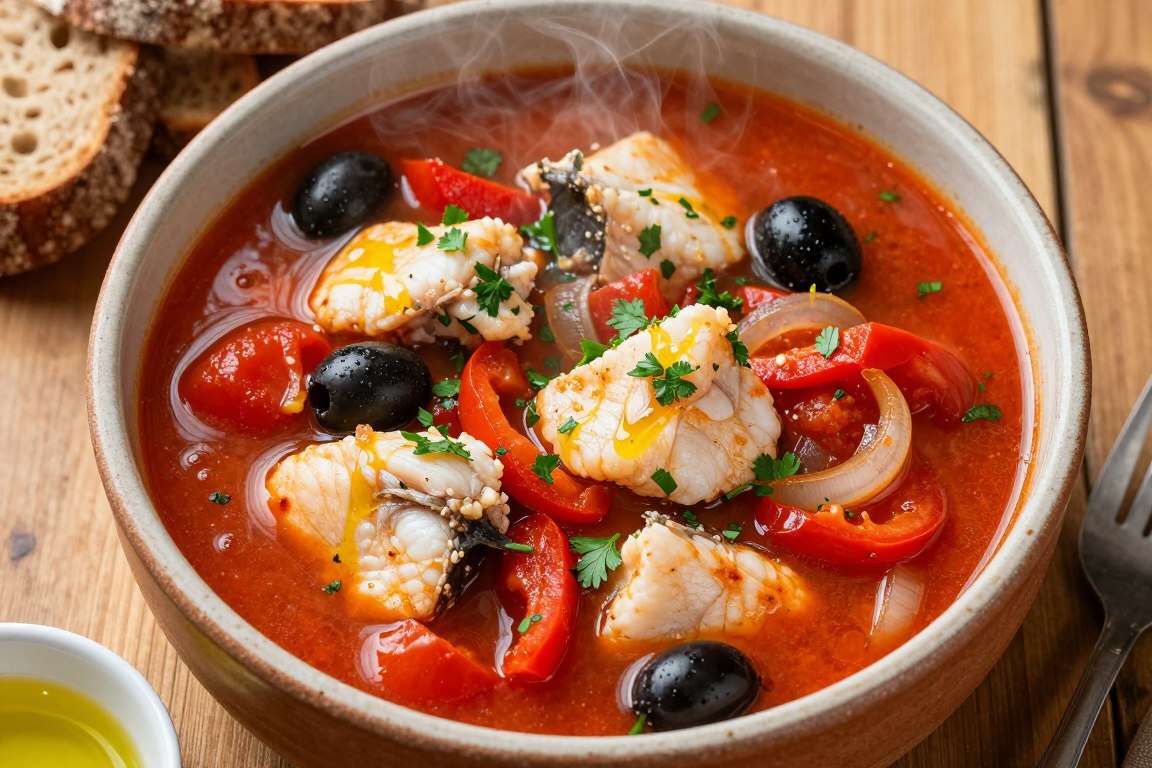
A Hearty, Joint-Friendly One-Pot Meal
This recipe is dead simple, feeds a family, and packs in loads of anti-inflammatory ingredients. Plus, it tastes like a warm hug on a cold day. My knees approve.
Ingredients
- 3 tablespoons extra virgin olive oil
- 1 large onion, diced
- 4 cloves garlic, minced
- 1 red bell pepper, chopped
- 1 can (400g) diced tomatoes
- 2 cups fish or vegetable stock
- 500g firm white fish, cut into chunks
- 1 can (400g) white beans, drained
- 2 cups spinach or kale
- Fresh herbs: parsley, basil, oregano
- 1 teaspoon turmeric
- Salt and black pepper to taste
- Lemon wedges for serving
Simple Instructions
- Heat olive oil in a large pot over medium heat. Add onion and cook until soft, about 5 minutes.
- Add garlic, bell pepper, and turmeric. Cook for another 2 minutes until fragrant.
- Pour in tomatoes and stock. Bring to a simmer and cook for 10 minutes.
- Add fish chunks and white beans. Simmer gently for 8-10 minutes until fish is cooked through.
- Stir in leafy greens and fresh herbs. Cook just until greens wilt, about 2 minutes.
- Season with salt and pepper. Serve in bowls with a squeeze of lemon and crusty whole grain bread.
Easy Substitutions
- No fresh fish? Use canned salmon or tuna instead.
- Vegetarian? Skip the fish and double the beans, or add chickpeas.
- Don’t like white beans? Cannellini, butter beans, or chickpeas work great.
- No fresh herbs? Dried Italian seasoning works in a pinch.
This stew freezes beautifully too. Make a big batch on Sunday and you’ve got quick lunches sorted for the week. Just reheat gently and add a splash of water if it’s too thick.
Getting Started: Your First Week Strategy
Don’t Try to Be Perfect
Right, here’s the bit where I save you from yourself. Don’t try to overhaul your entire diet on Monday morning. That’s how you end up face-down in a box of Tim Tams by Wednesday.
Start with one or two changes and build from there. Maybe swap your regular cooking oil for extra virgin olive oil this week. Next week, add fatty fish twice. The week after, increase your vegetable intake.
Research on adherence to Mediterranean diet patterns shows that gradual changes are much more sustainable than dramatic overnight shifts. You’re building new habits, not running a sprint.
Practical Tips for Success
Meal prep is your friend. Spend an hour on Sunday chopping vegetables, cooking grains, and maybe making a big pot of soup. Future you will be very grateful.
Keep it simple at first. You don’t need complicated recipes with 47 ingredients. Grilled fish, roasted vegetables, and quinoa is a perfectly legitimate Mediterranean meal. So is a big Greek salad with some chickpeas thrown in.
Stock your pantry with staples: canned beans, canned fish, olive oil, whole grains, nuts, and dried herbs. When you’re tired after work, having these on hand makes healthy eating much easier.
Don’t be afraid to use frozen vegetables and berries. They’re picked at peak ripeness and snap-frozen, so the nutrients are well preserved. Plus, they’re cheaper and don’t go off in three days like some fresh produce.
Want More Support Getting Started?
Many of our readers found the free “28-Day Mediterranean Diet Maintenance Program” helpful as a structured starting point. It includes daily meal suggestions, shopping lists, and simple recipes designed specifically for people managing osteoarthritis and joint pain.
The program takes the guesswork out of the first month while you’re learning what works for your body and your schedule. Over 10,000 people have used it to establish their Mediterranean eating routine.
It’s completely free and designed for real people with busy lives, not professional chefs. You can access it alongside other helpful resources to support your journey toward less joint pain and better overall health.
What About Supplements?
Fish Oil and Omega-3 Supplements
If you’re struggling to eat enough fatty fish, omega-3 supplements can help fill the gap. Look for supplements that provide at least 1000mg combined EPA and DHA daily.
Research examining omega-3 fatty acids supplementation for osteoarthritis shows modest but consistent benefits for pain and stiffness. The effects aren’t as strong as eating whole fish, but supplements are better than nothing.
Choose high-quality supplements that are third-party tested. Check for certifications that ensure purity and absence of contaminants like mercury.
Other Helpful Additions
Vitamin D deserves a mention here. Many people over 50 are deficient, and low vitamin D levels are associated with worse osteoarthritis symptoms. A simple blood test can tell you where you stand.
Turmeric supplements containing curcumin show promise in some studies for reducing joint inflammation. If you try them, look for products with black pepper extract (piperine), which improves absorption significantly.
That said, food should be your primary source of nutrients. Supplements are supplements, not replacements for a proper diet. No pill can replicate the complex mixture of nutrients and compounds you get from whole Mediterranean foods.
Beyond Diet: Lifestyle Factors That Matter

Movement Matters Too
Look, I know moving hurts when your joints are playing up. But gentle, regular movement actually helps osteoarthritis. It keeps joints flexible, strengthens supporting muscles, and can reduce pain over time.
Swimming, water aerobics, walking, and gentle yoga are excellent choices. The key word is gentle. You’re not training for the Olympics here. Even 15-20 minutes daily makes a difference.
Research shows that combining a Mediterranean diet with regular physical activity provides better results than either intervention alone. The activities of daily living become easier when you’re both eating well and staying mobile.
Sleep and Stress Management
Poor sleep and chronic stress both increase inflammation in your body. They can undermine all the good work you’re doing with your diet.
Aim for 7-8 hours of quality sleep nightly. Keep your bedroom cool and dark. Limit screen time before bed. These boring basics actually matter.
Stress management techniques like meditation, deep breathing, or even just taking a proper break during the day help reduce inflammatory markers. Find what works for you and make it a regular practice.
Maintain a Healthy Weight
Extra weight puts additional stress on weight-bearing joints like knees and hips. Even losing 5-10 pounds can significantly reduce joint pain if you’re carrying extra weight.
The Mediterranean diet naturally supports healthy weight management because it’s satisfying and nutrient-dense. You’re not left hungry like with some restrictive diets.
Studies examining the effect of weight loss combined with Mediterranean diet adherence show the greatest improvements in osteoarthritis symptoms. The combination is more powerful than either approach alone.
Tracking Your Progress and Adjustments
What to Monitor
Keep a simple journal for the first few weeks. Note your pain levels, morning stiffness duration, and mobility limitations. Also track what you’re eating and how you’re feeling overall.
This isn’t about obsessing over every detail. It’s about noticing patterns. You might discover that certain foods make you feel better or worse, or that you need more omega-3 sources than you thought.
Many people notice improvements in energy levels, sleep quality, and digestive comfort before joint pain improves. These are good signs that the diet is working on an inflammatory level.
When to Expect Results
Be patient with yourself. Most research on Mediterranean diet and osteoarthritis shows significant improvements around 8-12 weeks. Some people notice changes sooner, others take longer.
You might experience some initial changes in digestion as your body adjusts to more fiber and different foods. This usually settles within a week or two.
If you’re not seeing any improvement after 12 weeks of consistent adherence, it’s worth consulting with a healthcare provider or registered dietitian. They can help identify potential issues or suggest modifications specific to your situation.
Frequently Asked Questions About Mediterranean Diet for Osteoarthritis
How quickly will I notice joint pain relief on the Mediterranean diet?
Most people notice initial improvements in joint stiffness and mobility within 3-6 weeks of consistent Mediterranean eating. Significant pain reduction typically occurs around 8-12 weeks. The Mediterranean diet for osteoarthritis works by gradually reducing inflammation, so results are cumulative rather than immediate. Morning stiffness often improves first, followed by reductions in pain during movement and improved overall function.
Can I still eat meat on a Mediterranean diet osteoarthritis meal plan?
Yes, but in moderation. Traditional Mediterranean eating patterns include red meat only a few times per month, and poultry once or twice weekly. The focus is on fatty fish as the primary protein source, along with plant proteins like beans and lentils. If you eat meat, choose lean cuts and smaller portions. Research shows that limiting red and processed meats helps reduce inflammation more effectively than diets that include daily meat consumption.
Which is better for joint pain: fish oil supplements or eating fatty fish?
Eating actual fatty fish is superior to supplements. Whole fish provides omega-3 fatty acids alongside other beneficial nutrients, antioxidants, and compounds that work synergistically. Studies show stronger anti-inflammatory effects from food sources compared to isolated supplements. However, if you genuinely cannot eat fish due to allergies or access issues, high-quality omega-3 supplements providing at least 1000mg combined EPA and DHA can offer modest benefits for osteoarthritis symptoms.
What are the best Mediterranean foods for joint pain specifically?
The best Mediterranean foods for joint pain are fatty fish rich in omega-3s (salmon, sardines, mackerel), extra virgin olive oil containing oleocanthal, colorful vegetables and berries packed with antioxidants, nuts especially walnuts, leafy greens, and turmeric-spiced dishes. Research shows these foods contain compounds that exert protective effects on joints and reduce inflammatory markers. The key is eating a variety of these foods regularly rather than relying on just one or two.
Is the Mediterranean diet expensive to follow?
Not necessarily. While some Mediterranean foods like fresh fish can be pricey, many staples are quite affordable: dried beans and lentils, canned sardines or salmon, frozen vegetables, seasonal produce, whole grains bought in bulk, and olive oil purchased in larger quantities. Focus on less expensive protein sources like eggs, canned fish, and legumes. Buy frozen and canned options when fresh is too costly. Many people find they actually spend less because they’re eating less processed food and meat.
Can the Mediterranean diet replace my osteoarthritis medications?
Never stop or change medications without consulting your doctor. The Mediterranean diet can complement medical treatment and may reduce your need for pain medications over time, but it should not replace prescribed treatments without medical supervision. Many studies show the anti-inflammatory Mediterranean diet for osteoarthritis reduces medication use in some patients, but this should always happen under healthcare provider guidance. Think of diet as an additional tool in your management strategy, not a substitute for medical care.
What if I don’t like fish or seafood?
You can still benefit from the Mediterranean diet. Focus on plant-based omega-3 sources like walnuts, flaxseeds, and chia seeds. Include plenty of beans, lentils, and chickpeas for protein. Use extra virgin olive oil generously. Eat abundant colorful vegetables and fruits. Consider a high-quality algae-based omega-3 supplement for EPA and DHA. While fatty fish provides unique benefits, research shows that overall Mediterranean diet patterns still reduce inflammation and improve symptoms even without seafood.
How does the Mediterranean diet compare to other anti-inflammatory diets?
The Mediterranean diet has more robust research evidence supporting its effectiveness for osteoarthritis than most other eating patterns. An umbrella review of meta-analyses examining randomized controlled trials consistently ranks Mediterranean diet adherence among the most effective dietary approaches for reducing inflammation and improving symptoms in adults with degenerative joint disease. It’s also more sustainable long-term than restrictive elimination diets because it focuses on adding beneficial foods rather than extensive restrictions.
Share This With Someone Who Needs It

Copy and Send to a Friend
Know someone struggling with joint pain? Here’s a simple message you can copy and send:
“Hey, I found this really helpful guide about using Mediterranean diet for osteoarthritis and joint pain relief. It’s practical, science-based, and doesn’t require you to become a chef! Thought you might find it useful. There’s a free 7-day meal plan and grocery list that makes it super easy to start. Check it out when you have a moment. 😊”
The Scientific Foundation
What Research Actually Shows
Let’s talk about the evidence behind all this. I’m not just making claims based on my mate’s cousin who felt better after eating more olives.
Multiple studies examining Mediterranean diet components and their effects on osteoarthritis have been published in respected journals focusing on aging, clinical and experimental research. The consistency of findings across different studies is compelling.
Data from the Osteoarthritis Initiative, which followed thousands of participants over several years, demonstrated that adherence to Mediterranean diet was associated with lower prevalence of degenerative joint disease progression. Participants with higher diet quality scores showed better functional outcomes.
Research published in Annals of the Rheumatic Diseases examined how Mediterranean diet patterns affect inflammatory markers. The studies found significant reductions in C-reactive protein and other inflammation indicators among participants following Mediterranean eating patterns consistently.
An umbrella review of meta-analyses looking at randomized controlled trials concluded that Mediterranean type diet interventions produce measurable improvements in pain, stiffness, and physical function in adults with osteoarthritis. The evidence quality was rated as moderate to strong.
Mechanisms of Action
Researchers are still working to elucidate underlying mechanisms, but several pathways appear important. Omega-3 fatty acids compete with pro-inflammatory omega-6 fatty acids in cellular processes, shifting the balance toward less inflammation.
Antioxidants from colorful fruits and vegetables neutralize free radicals that damage joint tissue. These compounds also help protect cartilage from degradation.
Extra virgin olive oil contains oleocanthal and other phenolic compounds that inhibit the same inflammatory enzymes as NSAIDs. Studies show virgin olive oil can exert protective effects on cartilage similar to anti-inflammatory medications.
The Mediterranean diet also promotes a healthier gut microbiome, which influences systemic inflammation. Recent research suggests gut health plays a significant role in inflammatory conditions throughout the body, including joints.
What People Are Experiencing
While I can’t share specific medical cases or make promises about individual results, I can tell you what many people report after adopting Mediterranean eating patterns for osteoarthritis management.
Common experiences include reduced morning stiffness, often noticeable within the first month. Many people describe their joints feeling “less angry” and more willing to cooperate with daily activities.
Improved sleep quality is frequently mentioned, possibly because reduced pain and inflammation make rest more restorative. Better energy levels throughout the day often follow improved sleep.
Several people note that they gradually needed less pain medication, though this should always be done under medical supervision. The reduction tends to happen naturally as symptoms improve rather than through forced medication changes.
Perhaps most importantly, people report feeling more in control of their condition. Rather than being entirely dependent on medications or treatments, they have an active role in managing their health through daily food choices.
Continuing Your Journey
Changing your eating habits is a journey, not a destination. You’ll have good days and not-so-good days. That’s completely normal and expected.
Consider connecting with others following similar paths. Online communities and support groups can provide recipe ideas, troubleshooting help, and encouragement when motivation flags.
Keep learning about nutrition and how different foods affect your body. The more you understand the “why” behind the recommendations, the easier it becomes to make informed choices.
If you want more detailed guidance, working with a registered dietitian who understands anti-inflammatory diets can be valuable. They can help customize the approach to your specific needs, preferences, and health conditions.
Remember that you’re investing in your long-term health and quality of life. Every Mediterranean meal you eat is a step toward less pain and better function. That’s worth celebrating.
Your Next Steps Forward

Right, we’ve covered a lot of ground here. From the science behind Mediterranean eating to practical meal plans and shopping lists. Now comes the important bit: actually doing it.
Start small. Pick one or two changes you can make this week. Maybe it’s swapping your cooking oil or adding salmon to your shopping list. Small, consistent steps build lasting habits.
Give it a proper try before deciding if it works for you. Twelve weeks of consistent adherence to Mediterranean diet principles should give you a fair indication of whether this approach helps your osteoarthritis symptoms.
Be kind to yourself along the way. You’re learning new skills and changing long-standing habits. That takes time and patience. A few slip-ups don’t erase your progress.
Your joints have been with you for decades, carrying you through life. They deserve the best nutrition you can give them. The Mediterranean diet for osteoarthritis offers a delicious, sustainable way to show them some love.
Here’s to less pain, better mobility, and more enjoyment of the activities and people that make life worth living. You’ve got this.
Medical Disclaimer
This article provides general information about nutrition and osteoarthritis management. It is not intended as medical advice and should not replace consultation with qualified healthcare providers. Always discuss dietary changes with your doctor, especially if you have existing health conditions or take medications. Individual results may vary. What works for one person may not work identically for another. The information presented is based on current research and evidence but should be considered alongside professional medical guidance tailored to your specific situation.
References
- Osteoarthritis Initiative – National Institutes of Health longitudinal study data
- Annals of the Rheumatic Diseases – peer-reviewed rheumatology research journal
- Aging, Clinical and Experimental Research – gerontology and geriatrics journal
- Nutrients – peer-reviewed open-access nutrition journal
- Harvard Health Publishing – Harvard Medical School health information resource
- Journal of the American College of Nutrition – nutrition research publications
- Arthritis Care & Research – official journal of the American College of Rheumatology
- European Journal of Clinical Nutrition – nutrition science research journal
- British Journal of Nutrition – Cambridge University Press nutrition research
- Mediterranean Journal of Nutrition and Metabolism – regional nutrition research
Get well and stay well,
Ray Baker
