
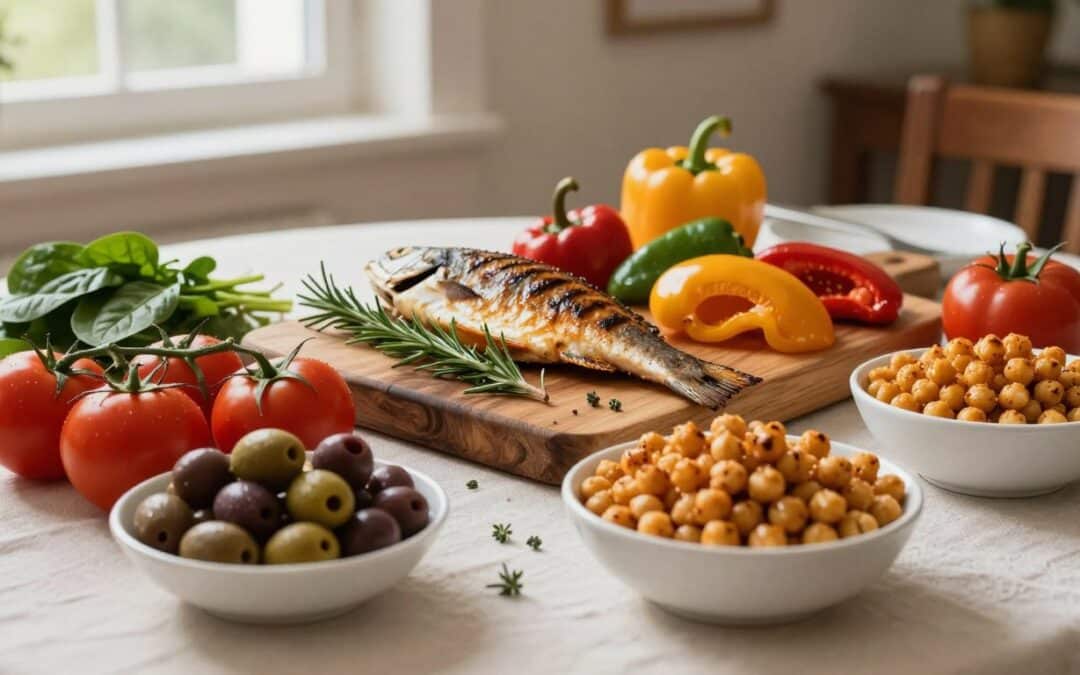
Up to about one in two women experience joint pain and stiffness around midlife — a time many expect to enjoy more freedom. Menopause-related inflammation and perimenopause aches can be frustrating and loud (North American Menopause Society, 2023).
Imagine standing up after sitting and feeling a twinge in your knees, hips, or hands. It doesn’t mean you’re “falling apart.” The drop in estrogen that comes with perimenopause and menopause can increase inflammation and sensitivity to pain, contributing to common menopause joint pain anti inflammatory mediterranean foods strategies readers try.
What follows is a practical, science-based guide to foods that may ease joint stiffness. This isn’t a miracle cure, but research supports key components — especially omega-3 fatty acids — for joint health (Harvard T.H. Chan School of Public Health, 2024).
The Mediterranean diet approach is simple to follow and focuses on olive oil, whole grains, fiber-rich legumes, fruits, vegetables, nuts, and healthy fats that support gut health and help reduce inflammation. Large studies show Mediterranean-style eating can lower inflammation markers such as CRP (PREDIMED Investigators, 2013).
If you have sudden, severe pain, visible swelling, fever, or a new limp, see your clinician — food can help but can’t replace medical evaluation. This guide aims to help you build a realistic anti-inflammatory meal plan that fits a U.S. lifestyle and day-to-day life.
Below you’ll find a Quick Answer, a clear Why that explains the science, a starter Mediterranean meal plan, a grocery list, and a 7-day sample to get you going (Arthritis Foundation, 2022; Walter Willett, 2020).
Quick Answer
Short answer: for menopause joint pain, focus on a Mediterranean-style eating pattern that emphasizes anti-inflammatory foods like extra-virgin olive oil, oily fish, legumes, colorful vegetables, fruits, nuts, and whole grains — small, consistent swaps can help reduce inflammation and support overall health.
- Simple swaps: Use extra-virgin olive oil instead of butter for cooking and dressings — olive oil adds healthy fats and polyphenols.
- Fish: Aim for about two servings of oily fish (salmon, sardines, trout) per week for joint-friendly omega-3 fatty acids; canned fish is a budget-friendly option.
- Plant protein: Add legumes (beans, lentils) most days for fiber, protein, and minerals; if you don’t eat fish, include ground flaxseed, chia, or walnuts for plant-based fatty acids.
- Quick tip: Choose frozen vegetables and canned no-salt beans to cut cost and prep time — small practical changes make a Mediterranean meal plan easier to follow daily.
Try this starter meal today: whole-grain toast topped with mashed avocado, a drizzle of olive oil, and a side of fresh berries — it combines whole grains, healthy fats, and fruit in one easy breakfast. Try one swap this week and note how you feel in 2–4 weeks to track changes.
These anti-inflammatory foods and eating patterns are practical for day-to-day life and form the foundation of a sustainable diet plan that may help reduce inflammation over time (Arthritis Foundation, 2022).
Why
When perimenopause transitions to menopause, estrogen levels fall — and for some people that hormonal change increases low-grade systemic inflammation. Estrogen helps regulate immune responses and pain perception, so lower levels can make the body more reactive to inflammation triggers and pain signals, contributing to menopause joint pain and related symptoms (North American Menopause Society, 2023).
The Mediterranean diet can help blunt that inflammatory response. This dietary pattern emphasizes anti-inflammatory foods — extra-virgin olive oil, oily fish (a source of omega-3 fatty acids), vegetables, fruits, nuts, legumes, and whole grains — and large studies link Mediterranean-style eating with lower inflammation markers (for example, CRP) as well as better heart and overall health (PREDIMED Investigators, 2013; Walter Willett, 2020).
How the foods likely help:
- Omega-3 fatty acids (fish, walnuts, flax): may downregulate pro-inflammatory cytokines and support joint comfort.
- Healthy fats and polyphenols (extra-virgin olive oil): provide antioxidants that reduce oxidative stress and inflammatory signaling.
- Fiber and whole grains, legumes, fruits, and leafy greens: support a diverse gut microbiome that produces metabolites linked to lower systemic inflammation.
- Reduced pro-inflammatory fats and processed foods: swapping refined grains and added sugars for whole grains (quinoa, oats) and minimally processed foods lowers inflammatory load and helps weight management.
Other midlife contributors you can act on include poor sleep, loss of muscle mass (sarcopenia), and excess weight — each raises inflammation or puts more mechanical strain on joints. Practical steps: aim for strength training about twice weekly to preserve muscle, improve sleep hygiene, and favor whole foods over processed foods to help reduce inflammation and support overall health.
Keep expectations realistic: diet may help some people reduce joint stiffness over weeks to months, but it’s not a guaranteed cure. If you notice sudden swelling, fever, severe pain, or new functional loss, seek medical care — dietary changes are supportive but not a substitute for clinical evaluation.
Quick Answer
For menopause joint pain, a Mediterranean diet is a practical, evidence-backed way to reduce inflammation and support overall health. Prioritize extra-virgin olive oil, oily fish, legumes, colorful vegetables and fruits, nuts, and whole grains — these anti-inflammatory foods supply healthy fats, fiber, antioxidants, and protein that can help ease stiffness for some people.
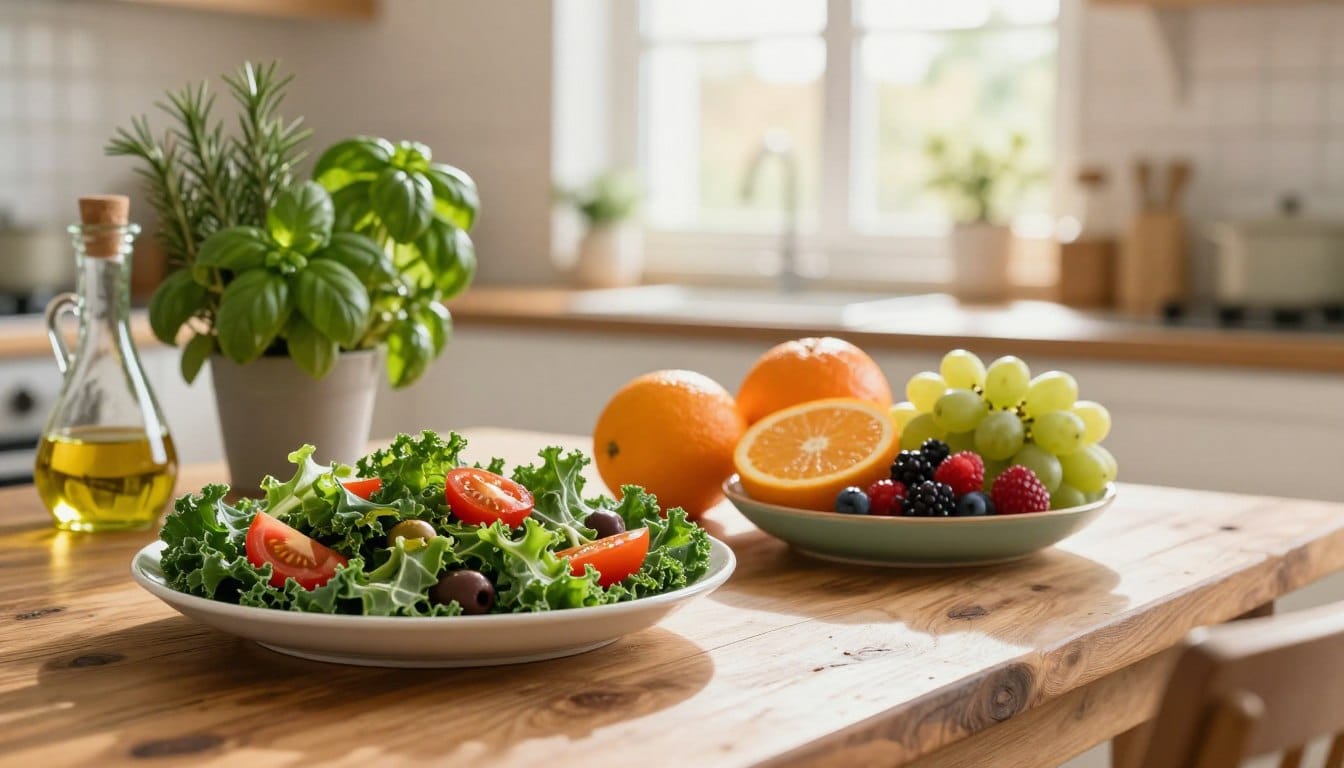
Key Takeaway
- Swap butter for extra-virgin olive oil most days to add polyphenols and healthy fats that help reduce inflammation.
- Aim for about two servings of oily fish (salmon, sardines, trout) per week for joint-friendly omega-3 fatty acids; canned fish is an affordable option.
- Use beans, lentils, and other legumes regularly for fiber, plant protein, and gut-health benefits.
- Add vegetables and fruits at every meal — aim for half your plate to be non-starchy vegetables to lower inflammatory load.
- Start with a simple 7-day starter meal plan to build sustainable habits instead of a quick overhaul.
Try this today: replace your usual bread-and-butter breakfast with whole-grain toast topped with mashed avocado, a drizzle of olive oil, and a side of berries — one quick swap that gives you whole grains, healthy fats, and fruit in a single meal. Try one swap this week and note changes over 2–4 weeks.
Build your plate: 1/2 non-starchy vegetables, 1/4 protein (fish, beans, chicken), 1/4 whole grains or starchy veg (quinoa, oats, sweet potato). Finish with olive oil and herbs for flavor and healthy fats.
| Plate part | Easy picks | Anti-inflammatory examples | Quick prep move |
| 1/2 vegetables | Leafy greens, peppers, broccoli | Spinach, arugula, tomatoes | Buy pre-washed greens; toss with olive oil + lemon |
| 1/4 protein | Fish, beans, chicken | Salmon, sardines, lentils | Use canned salmon or no-salt beans |
| 1/4 carbs | Whole grains, starchy veg | Oats, quinoa, sweet potato | Cook a batch once; reheat all week |
| Healthy fats + flavor | Olive oil, nuts, herbs | Extra-virgin olive oil, walnuts, turmeric | Keep a “Mediterranean jar” mix of herbs + pepper |
5-minute Mediterranean snack: Mix Greek yogurt with blueberries, walnuts, and a pinch of cinnamon — or add a small drizzle of olive oil for savory depth. It balances healthy fats, protein, and fiber.
Practical notes: Vegetarian or low-sodium? Choose legumes, quinoa, nut butters, and fortified foods to get nutrients and fatty acids. On a budget, use canned fish, canned beans, oats, and frozen vegetables — they fit Mediterranean meals and cut cost and prep time.
Medical note: This is lifestyle guidance, not medical advice. Talk with your clinician before big diet changes, especially if you take blood thinners or have kidney disease. For sudden swelling, severe pain, fever, or new loss of function, seek prompt medical care.
Why
Here’s the short version: when perimenopause becomes menopause, estrogen levels fall, and that hormonal change can increase low-grade inflammation for some people. Estrogen helps regulate immune responses and pain perception, so lower levels may make the body more reactive to triggers and more sensitive to pain and stiffness — common menopause joint pain symptoms (North American Menopause Society, 2023).
Other contributors you can act on
- Poor sleep: Fragmented or short sleep raises inflammation and lowers pain tolerance.
- Loss of muscle mass (sarcopenia): Less muscle means reduced joint support and greater strain.
- Excess weight: Adds mechanical load and promotes inflammatory signaling.
- Diet high in processed foods and added sugars: Worsens inflammation compared with whole-food patterns.
The Mediterranean diet can help lower that inflammatory tone. This eating pattern emphasizes anti-inflammatory foods — extra-virgin olive oil, oily fish (sources of omega-3 fatty acids), vegetables, fruits, nuts, legumes, and whole grains — and research links Mediterranean-style eating with lower inflammation markers (for example, CRP) and better heart and overall health (PREDIMED Investigators, 2013; Walter Willett, 2020).
Key components likely relevant for joint comfort:
- Omega-3 fatty acids (oily fish, walnuts, flax): may downregulate pro-inflammatory cytokines.
- Polyphenols and healthy fats (extra-virgin olive oil): supply antioxidants that reduce oxidative stress and inflammatory signaling.
- Fiber from whole grains, legumes, fruits, and leafy greens: supports a diverse gut microbiome that produces metabolites linked to lower systemic inflammation.
If you want to start now, try these small, practical steps: swap butter for olive oil, include two servings of oily fish per week (or plant-based omega-3 sources such as ground flax or chia if you don’t eat fish), add a bean-based meal twice weekly, and choose whole grains like quinoa or oats over refined grains. These changes form a realistic Mediterranean-style plan that fits many lifestyles.
Expect gradual change: dietary shifts may reduce inflammation and help joint symptoms over weeks to months, not overnight. And be cautious — if you take blood thinners, have kidney disease, or other medical issues, check with your clinician before major diet changes or high-dose supplements. For sudden swelling, fever, severe pain, or loss of function, seek prompt medical care — diet is supportive but not a substitute for clinical evaluation.
